
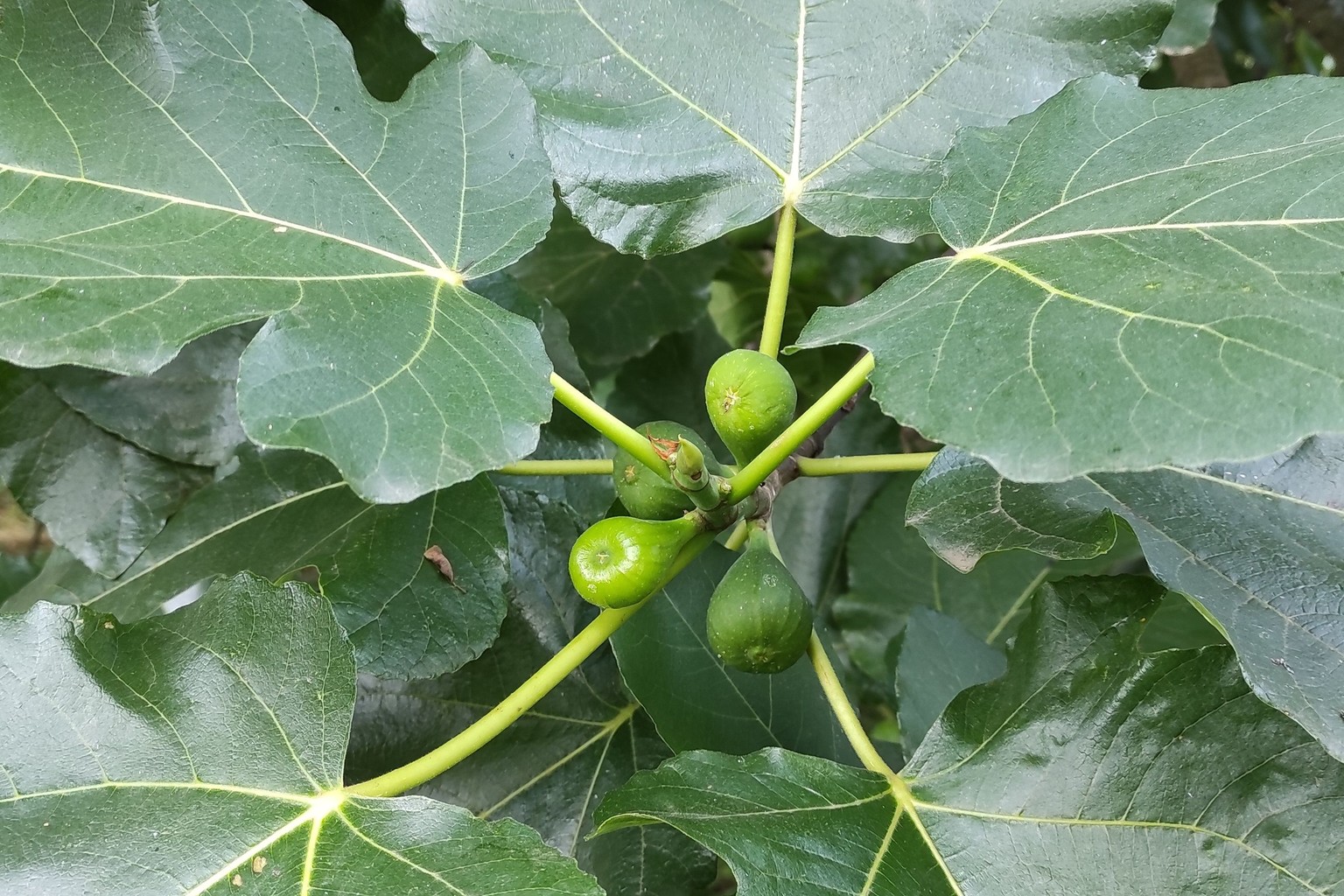
Yes, you can eat fig tree leaves, as long as they are cooked or dried first rather than eaten raw. People have been doing it for a very long time: around the Mediterranean they are blanched and wrapped around fish, steeped into cream for desserts, and dried for tea. What they are not is a proven medicine. The honest summary is that the evidence for eating them is thin and comes mostly from rodents, while the evidence that handling them carelessly can burn your skin badly enough to need a burns unit is solid and comes from hospitals.
The short answer
Fig leaves from Ficus carica, the common edible fig, are safe to eat once they are cooked or dried. They taste of coconut, vanilla and green walnut, which is why chefs like them. Two small human studies suggest possible benefits, one for post meal blood sugar and one for mild eczema. Neither is large enough to build a health decision on. The milky sap in the leaf is a different matter, because it contains compounds that react with sunlight and cause chemical burns.
How people actually eat them
Nobody eats mature fig leaves raw. They are tough, the texture is closer to paper than to spinach, and the sap at the stem is an irritant. Cooking or drying solves all three problems. The common uses are:
- As a wrapper. Blanched leaves go around fish, soft cheese or rice in the same way vine leaves do, and they perfume whatever is inside them.
- As a flavouring. A leaf steeped in warm cream or milk, then lifted out, gives a coconut and vanilla note that is hard to get any other way. The leaf itself is discarded.
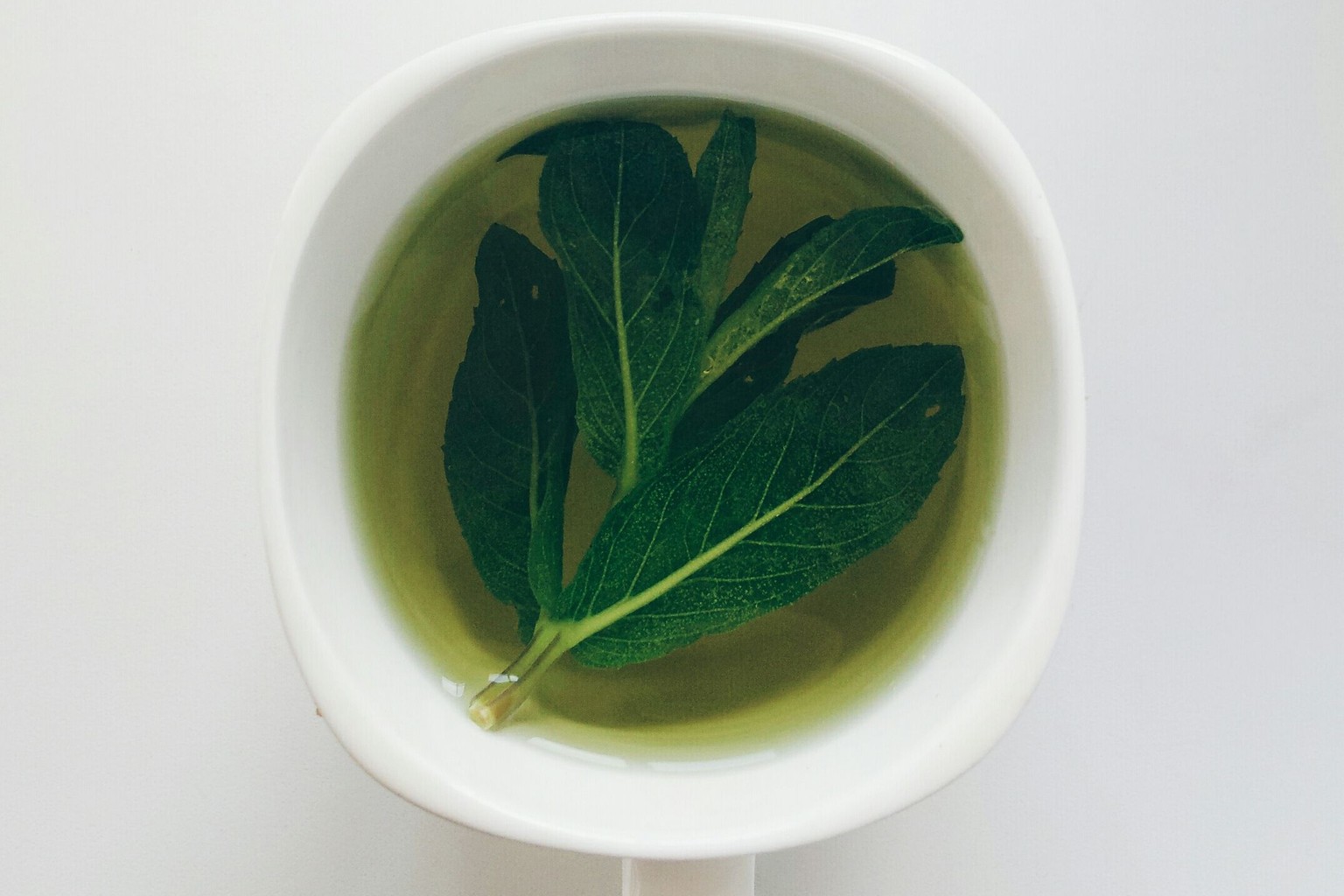
- As tea. Young leaves are dried and brewed. This is the form used in the one clinical trial of fig leaves that exists outside diabetes research.
- Toasted and ground into a powder used sparingly as a seasoning.
Pick young, undamaged leaves, rinse them, and let the cut stem drain before you handle them further. That last step is not fussiness, and the reason is further down this page.
The nutrition table you have seen is not from anywhere
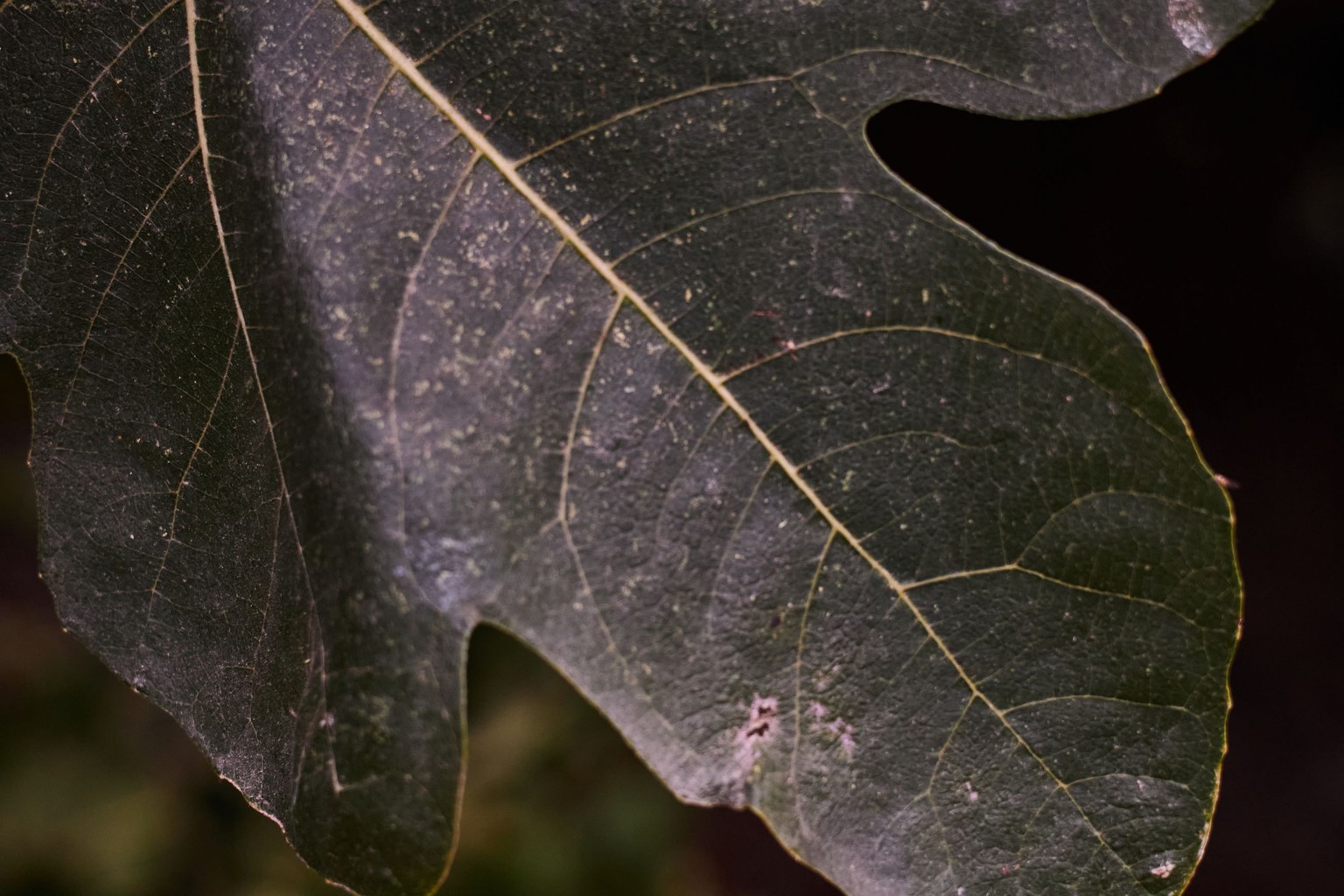
Search for fig leaf benefits and you will find the same tidy list of vitamins and minerals on page after page: vitamin A, thiamine, riboflavin, calcium, iron, potassium. Those tables have no source. Fig leaves do not have an entry in the USDA food composition database, and no laboratory analysis is cited anywhere in the pages that publish the numbers. They have simply been copied from site to site until repetition made them look like fact. This page used to carry one of those tables. It has been removed.
What has genuinely been measured in fig leaves is their chemistry: polyphenols, flavonoids, and a group of compounds called furocoumarins, chiefly psoralen and bergapten. That last group is the reason this plant deserves respect rather than a wellness listicle.
Blood sugar: one small study, from 1998
The blood sugar claim traces back to a single trial published in Diabetes Research and Clinical Practice in 1998 (PubMed 9597370). Ten people with type 1 diabetes, aged 22 to 38, took a fig leaf decoction with breakfast for a month, then a plain commercial tea for a month, in a crossover design. Two more dropped out because they could not tolerate it.
The result was striking. Post meal blood glucose averaged 156.6 mg/dl on the fig leaf month against 293.7 mg/dl on the control tea. Average insulin dose was 12 per cent lower. Fasting readings did not differ.
Now the caveats, which matter more than the numbers. Ten people is very small. They had type 1 diabetes, which is not the condition most readers searching this question have. The comparison was a decoction against a different tea, so nobody involved was truly blinded. The standard deviations were enormous, which is what you expect from a group that size. And in the twenty eight years since, nobody has repeated it. A single small study is a reason to be curious, not a reason to change what you take. If you want the approaches with actual weight of evidence behind them, our guide to lowering blood sugar naturally covers them, and the same pattern of one promising study carrying an entire reputation shows up in our look at berberine.
Fig leaf tea and eczema: the other human study
The only other clinical trial of fig leaves in people looked at skin. A double blind, randomised, placebo controlled study published in Nutrients in 2022 gave fig leaf tea to adults with mild atopic dermatitis (PubMed 36364740). Eczema severity scores fell significantly compared with placebo, and 14 of 15 participants improved. The effect weakened within four weeks of stopping, which suggests it needs to be continuous rather than curative.
That is a real result and worth knowing. It is also a trial the authors themselves label preliminary, run at the food technology institute that had already published the cell and animal work behind it. Fifteen people is a pilot, not a verdict. Treat it as a reason for a larger trial, which has not happened yet.
Everything else is rats, mice and petri dishes
Beyond those two studies, the fig leaf literature is almost entirely preclinical. A 2023 paper in Foods gave leaf and bud extracts to rats made diabetic with alloxan and found improvements in blood sugar and oxidative stress markers over 30 days (PubMed 36832834). A 2019 study found fig leaf extract suppressed liver glucose production in diabetic mice and in cultured liver cells (PubMed 30396076).
These are useful studies. They are not evidence about you. The rats received 200 mg per kilogram of a concentrated methanolic extract every day for a month, which is a pharmaceutical dose of a laboratory preparation, not a cup of tea. Translating that into a human drinking an infusion is exactly the leap that turns a modest animal finding into a confident internet health claim. It is the same leap we found behind the natural Ozempic alternatives people are sold.
The risk that does have strong evidence
Here is the part the benefit articles leave out. Fig leaf sap causes phytophotodermatitis, a chemical burn that needs two ingredients: the sap on your skin, and sunlight afterwards. It is not an allergy, so it can happen to anyone, including people who have handled fig trees for years.
Researchers worked out exactly where the active compounds sit back in 1984 (PubMed 6744838). Psoralen and bergapten are present in appreciable amounts in the sap of the leaves and shoots, and were not detected in the fruit or its sap at all. Leaf sap is more concentrated than shoot sap, and levels are higher in spring and summer than in autumn. That seasonal curve matches when the burns actually turn up in clinics.
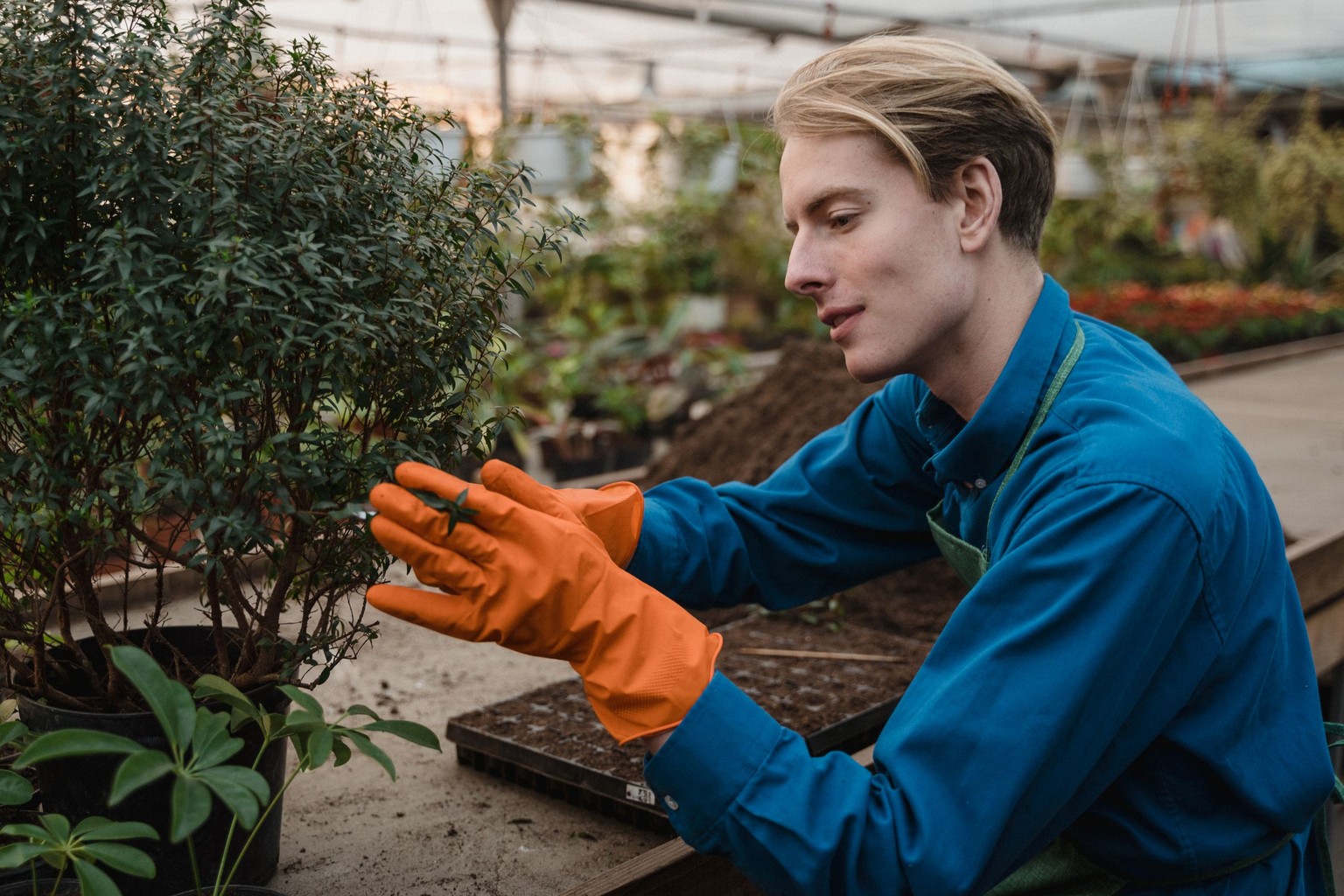
Two cases show what this looks like in practice. An arborist pruned a fig tree on a hot sunny day in a t shirt, and two days later presented with blistering across both arms and the back of his neck. He was referred to a regional burns unit (PubMed 33462031).
The second case series is the one that should give any reader of home remedy articles pause. Five patients in Korea soaked their feet in a fig leaf decoction to treat existing skin conditions (PubMed 28223753). Within 24 hours all five had burning, swelling and blisters across the tops of both feet, sharply outlined where their sandal straps had shaded the skin. Biopsies showed blistering under the epidermis with extensive tissue death. They were treated with systemic and topical steroids. The authors ended their paper by noting that since there is no sufficient evidence for the benefits of fig leaves, they should be used with caution. Those patients were doing what a wellness article told them to do.
How to handle fig leaves safely
- Wear gloves and long sleeves when picking or pruning, especially in spring and summer when psoralen levels peak.
- Wash any sap off promptly with soap and water. The reaction needs the sap to still be on your skin when the light hits it.
- Stay out of direct sun on any exposed skin for the rest of the day after handling a fig tree.
- Never put fig leaf preparations on your skin. No soaks, no poultices, no rinses, however the recipe is worded.
- Rinse and drain cut leaves before cooking, so the sap goes down the sink rather than onto your hands.
- Cook or dry them. Heat and drying are what make them pleasant to eat.
- Do not read the autumn dip as safety. Levels are lower later in the year, not absent.
If you do get a reaction, it tends to be mistaken for cellulitis or a fungal infection, so tell whoever treats you that you were handling a fig tree. That one sentence changes the diagnosis.
Who should leave fig leaves alone
- Anyone on diabetes medication. The 1998 study saw insulin requirements fall. Adding something that may lower blood sugar on top of medication that already does is how hypoglycaemia happens. Talk to your prescriber first.
- Anyone taking photosensitising medication, such as some antibiotics, diuretics and acne treatments. You are already primed for exactly this kind of reaction.
- People with latex allergy. Sensitisation to ornamental weeping fig cross reacts with natural rubber latex and with fig itself, a pattern described as the Ficus fruit syndrome (PubMed 15298566).
- Pregnant and breastfeeding women. There is no safety data at all, and psoralens are not something to experiment with.
- Anyone with surgery coming up, for the blood sugar reason above.
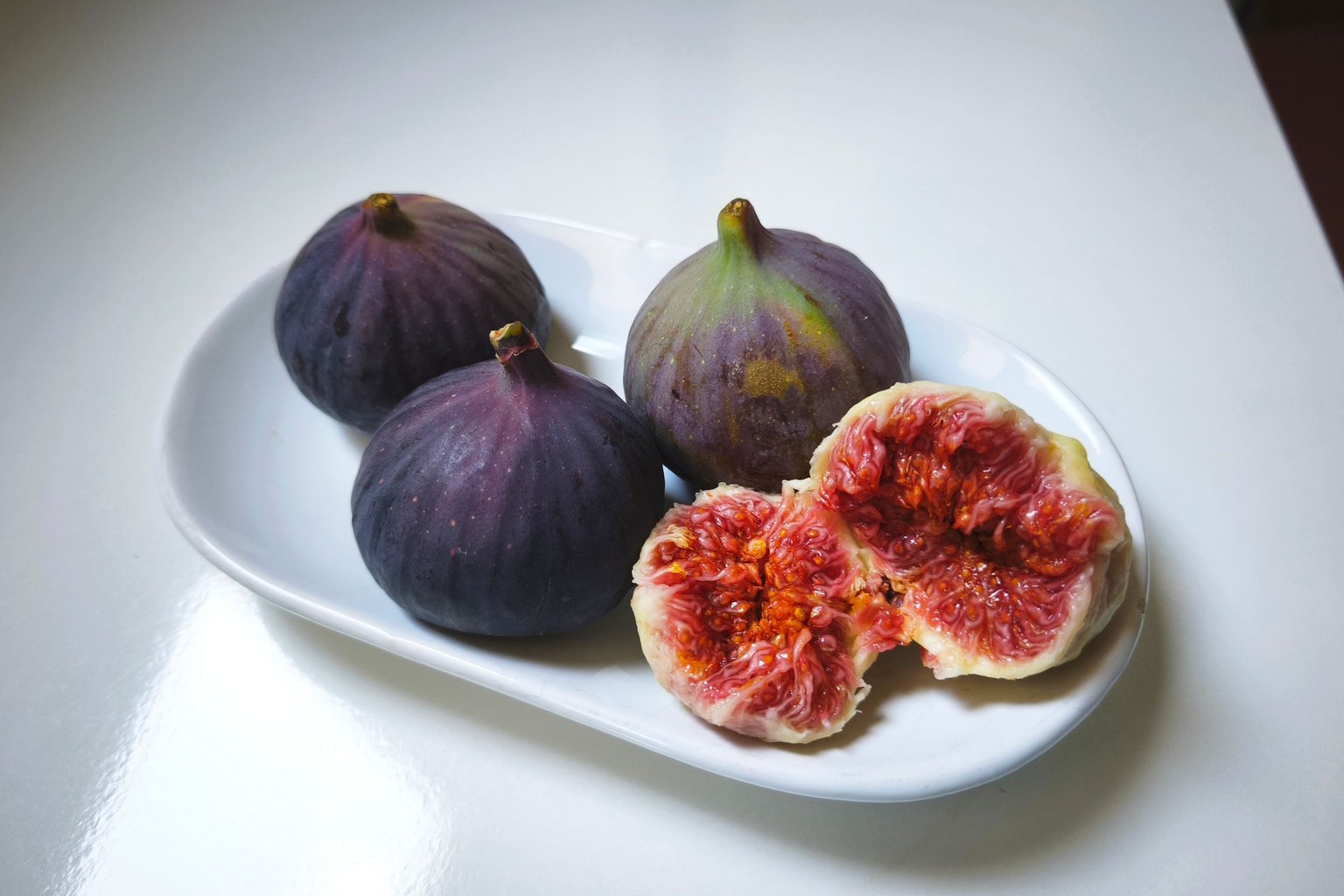
Fig leaves and figs are not the same thing
A lot of the confusion online comes from headlines that say figs when the study used one part of the plant. Most of the decent human research on Ficus carica is on the fruit, including trials for constipation, and it gets quoted in articles about leaves. The chemistry says the two are genuinely different: the furocoumarins that cause the burns are in the leaf and shoot sap and were not detected in the fruit. Eating figs does not make you photosensitive. Pruning the tree can.
So are they worth bothering with
As an ingredient, yes. They are free if you have a tree, they taste like nothing else in the kitchen, and cooked or dried they are safe to eat. As a remedy, the honest position is two small studies, one of them from 1998 in ten people with type 1 diabetes, the other a fifteen person pilot in eczema. That is a starting point for research, not a reason to swap anything you currently take. And whatever you do with them, keep the sap off your skin and out of the sun.
Frequently asked questions
Can you eat fig leaves raw?
Not usefully. Mature leaves are tough and papery, and the sap at the cut stem is an irritant. They are blanched, cooked, dried or used to flavour something and then removed.
Are fig leaves poisonous?
The leaf tissue is not poisonous to eat once cooked. The milky sap is the hazard, and the harm it causes is to skin exposed to sunlight afterwards rather than to your digestion.
Does fig leaf tea lower blood sugar?
One crossover study in ten people with type 1 diabetes found lower post meal glucose and a 12 per cent lower insulin requirement. It has not been replicated in nearly thirty years, and there is no equivalent trial in type 2 diabetes.
How do you make fig leaf tea?
Young leaves are rinsed, dried thoroughly, then torn and steeped in just boiled water for about ten minutes. Use gloves while picking, and let the cut stems drain before handling the leaves further.
Why do fig leaves burn your skin?
The sap contains psoralen and bergapten, which become reactive under ultraviolet light. Sap plus sunlight produces a sharply outlined burn with blistering, usually a day or two later. It is a chemical reaction rather than an allergy, so previous exposure offers no protection.
Can fig leaves help eczema?
A small placebo controlled trial of fig leaf tea in mild atopic dermatitis found significantly lower severity scores, with the benefit fading about four weeks after people stopped drinking it. It involved fifteen people and its own authors call it preliminary. Never apply fig leaf preparations to the skin.
Do fig leaves have nutritional value?
No reliable nutrient analysis has been published, and fig leaves have no entry in standard food composition databases. The vitamin tables circulating online are uncited. What has been measured is their polyphenol, flavonoid and furocoumarin content.
Which fig leaves are safe to use?
Use leaves from the common edible fig, Ficus carica, and avoid ornamental indoor figs such as the weeping fig, which are not food plants and are a known allergen.
Medical disclaimer
This article is for information only and is not medical advice. Fig leaves are not a treatment for diabetes, eczema or any other condition. Do not change or stop prescribed medication because of anything you read here. If you have diabetes, are pregnant, take photosensitising medication or have a latex allergy, speak to a doctor or pharmacist before using fig leaves in any form. If you develop a blistering rash after handling a fig tree, seek medical care and say that you were handling figs.