

An apron belly is skin as much as it is fat, and that single fact explains why most of the advice people are given does not work. Exercise and weight loss can shrink the fat underneath. Neither removes skin that has already stretched. Knowing which part of the problem you are dealing with changes what is worth your time.
The medical name is an abdominal pannus: an apron of skin and tissue hanging from the lower abdomen. It is common after pregnancy, after significant weight loss, and with weight gain, and for a lot of people the day-to-day problem is not appearance at all. It is the skin inside the fold.
The Short Version

| What it is | An abdominal pannus: stretched skin plus the fat beneath it |
| Crunches and core work | Strengthen muscle. They do not remove skin |
| Weight loss | Reduces the fat. Often leaves the skin, and sometimes makes it more obvious |
| The common medical problem | Intertrigo, the sore rash inside the fold. Very treatable |
| The only reliable removal | Panniculectomy, a surgical procedure |
| See a doctor if | The skin breaks down, smells, weeps or keeps getting infected |
Why It Happens
Skin stretches to accommodate what is underneath, and it does not always spring back. Elastin and collagen in the dermis can be permanently altered once they have been stretched far enough for long enough, which is why the three common routes to a pannus all involve the abdomen being expanded for months or years.
- Pregnancy, particularly more than one, or carrying multiples. The abdominal wall separates and the skin stretches, and neither necessarily returns.
- Significant weight loss. This is the one that surprises people. Losing the fat is the goal, and then the skin that housed it stays behind. A 2021 review in Surgery for Obesity and Related Diseases looking specifically at the abdomen after bariatric surgery treats excess skin as an expected outcome rather than an unusual complication.
- Weight gain, where fat accumulates in the lower abdomen and the skin stretches with it.
- Age and genetics, which decide how much elasticity you had to start with and how much you keep.
Can Exercise Get Rid of It?
Partly, and the honest answer has two halves.
On the fat underneath, exercise helps in the ordinary way any energy deficit helps. Whether you can target where the fat comes off has been argued over for fifty years. The traditional answer is no. A 2023 randomised trial complicated that, finding a localised effect from abdominal endurance work, though it was a small study of 16 overweight men over 10 weeks and one trial does not settle a fifty year argument.
On the skin, there is no debate at all. No exercise removes stretched skin. Crunches build the rectus abdominis underneath, which can change the shape of the abdominal wall, but a pannus hangs because the skin is longer than it used to be. Nothing you do in a gym shortens it.
That matters because the internet is full of “exercises to get rid of apron belly”, and people spend months on them and conclude they have failed. They have not failed. They were given the wrong tool for half the problem.
The Part That Actually Needs Treating
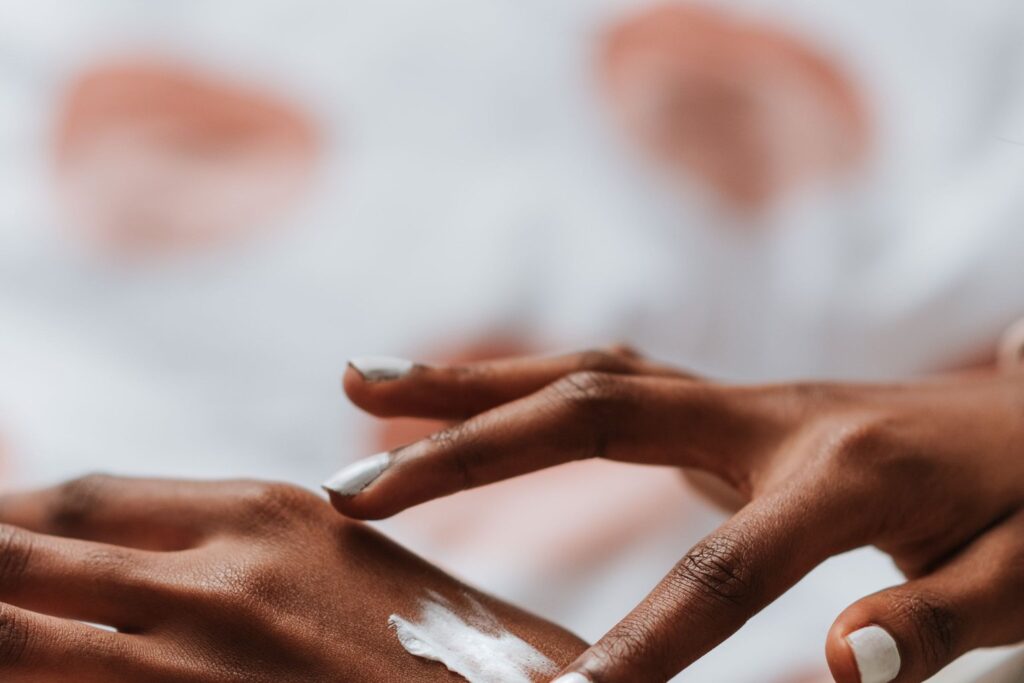
Skin on skin, with warmth and trapped moisture and no air, becomes inflamed. The condition is called intertrigo, and for most people living with a pannus it is the real problem: a red, sore, sometimes weeping or smelly rash in the fold, which can go on to a fungal or bacterial infection.
It is also very treatable, and a 2023 review in the Journal of Wound Care that synthesised 55 papers lays out what works. The principles are simple and they are about moisture, friction and air.
- Wash gently and dry completely. Drying is the step people rush. Pat, do not rub, and give it time. A hairdryer on the cool setting is a legitimate trick.
- Use a barrier product, such as a zinc oxide cream or a silicone barrier film, to stop skin rubbing skin and to keep moisture off the surface.
- Keep air in the fold where you can. A strip of soft cotton or a purpose-made moisture-wicking fabric in the crease, changed when damp, does more than most creams.
- Avoid talc and heavy ointments that cake and trap damp, which is the opposite of what you want.
- Get it looked at if it is not settling. A persistent rash is often candida and needs an antifungal, not more moisturiser. A doctor or pharmacist can tell in seconds.
What About Skin Tightening Treatments?
Radiofrequency and laser devices are marketed heavily for this and they are expensive. Be realistic about what they can do. These treatments can produce modest tightening in skin with mild laxity. They do not remove a hanging apron of tissue, and no amount of sessions will. If a clinic implies otherwise, that is a sales pitch rather than a clinical opinion.
The same applies to creams promising to firm or tighten loose skin. Topical products cannot reach or shorten the dermal structures involved.
Surgery: What Panniculectomy Actually Is

A panniculectomy removes the overhanging skin and fat. It is not the same operation as a tummy tuck: an abdominoplasty also tightens the muscle wall and reshapes the waist, while a panniculectomy is a more functional procedure aimed at taking the apron away.
That distinction matters practically, because where a pannus causes recurrent infections, skin breakdown, mobility problems or back pain, the operation may be treated as medically indicated rather than cosmetic, which changes how it is funded. It is a genuine question to put to your GP rather than assuming the answer.
Two honest caveats. It is major abdominal surgery with a real complication rate, and wound healing problems are common in this group. And it is worth doing at a stable weight, because further large weight change afterwards can undo the result. On the other side, a systematic review of quality of life after body contouring surgery following weight loss found consistent improvements in how people rated their lives afterwards, which is not a trivial finding for something often dismissed as vanity.
Living With It Comfortably
- Clothing that does not dig in. High-waisted, soft-waisted and breathable beats compression that creates a new crease.
- A support band can lift the pannus and take the drag off your lower back. Some people find this the single most useful thing they do.
- Check the fold regularly, the way someone would check their feet with diabetes. Skin that is breaking down is much easier to treat early.
- Be wary of what is sold to you. Wraps, belts that claim to melt fat, and tightening creams do not do what the advertising says.
See a Doctor If
- The skin in the fold is broken, weeping, bleeding or has an unpleasant smell.
- A rash keeps coming back despite keeping the area clean and dry.
- You develop spreading redness, heat, swelling or a fever, which can mean cellulitis and needs same-day attention.
- The weight of it is limiting how you move, or causing back pain.
- You notice a lump or bulge in the area that was not there before, which should be checked for a hernia.
Frequently Asked Questions
Can you get rid of an apron belly without surgery?
You can reduce the fat component through weight loss, and you can make the fold far more comfortable. You cannot remove stretched skin without surgery. How much difference non-surgical change makes depends on how much of yours is fat and how much is skin.
Will losing weight make it go away?
It will shrink the fat inside it. For some people the apron becomes more noticeable after major weight loss, not less, because the skin that held the fat remains. Excess abdominal skin is an expected outcome after large weight loss rather than a sign anything went wrong.
Do exercises for apron belly work?
Core work strengthens the muscle underneath and is worth doing. It does not remove skin. Whether abdominal exercise preferentially burns abdominal fat is still argued about, with one 2023 trial suggesting a small localised effect, but the skin is unaffected either way.
What is the difference between an apron belly and a FUPA?
An apron belly or pannus hangs from the lower abdomen and can reach the thighs. A FUPA refers to fullness over the pubic area specifically. They often occur together and the management overlaps.
How do I stop the rash under my stomach?
Wash gently, dry the fold completely, use a barrier cream such as zinc oxide, and keep soft breathable fabric in the crease, changing it when damp. If it persists it is often a fungal infection and needs an antifungal rather than more moisturiser.
Is panniculectomy covered by the NHS or insurance?
Sometimes, where the pannus causes documented functional problems such as recurrent infections, skin breakdown or restricted mobility, rather than being a cosmetic concern. Criteria vary, so ask your GP what the threshold is locally and keep a record of skin problems and treatments.
Do skin tightening treatments help?
They can do something for mild laxity. They do not remove a hanging pannus, and the marketing often implies far more than the technology delivers.
Is an apron belly a health risk in itself?
The skin problems in the fold are the main direct risk, along with mobility and back strain when it is large. The underlying causes, such as carrying excess weight, carry their own separate risks worth discussing with your doctor.
Related Reading
- Natural Ozempic Alternatives, what the weight loss evidence actually shows
- Mounjaro and Alcohol
- Natural Immune Boosters
This article is for educational purposes only and is not medical advice. A persistent, painful or weeping rash in a skin fold should be seen by a doctor or pharmacist, and spreading redness with fever needs same-day medical attention. Decisions about panniculectomy or any surgery belong with a qualified surgeon who has examined you. See our medical disclaimer.
Images by cottonbro studio, Anete Lusina, Polina Tankilevitch, Manolya Izgi Gezgin and Pavel Danilyuk via Pexels (free licence).