
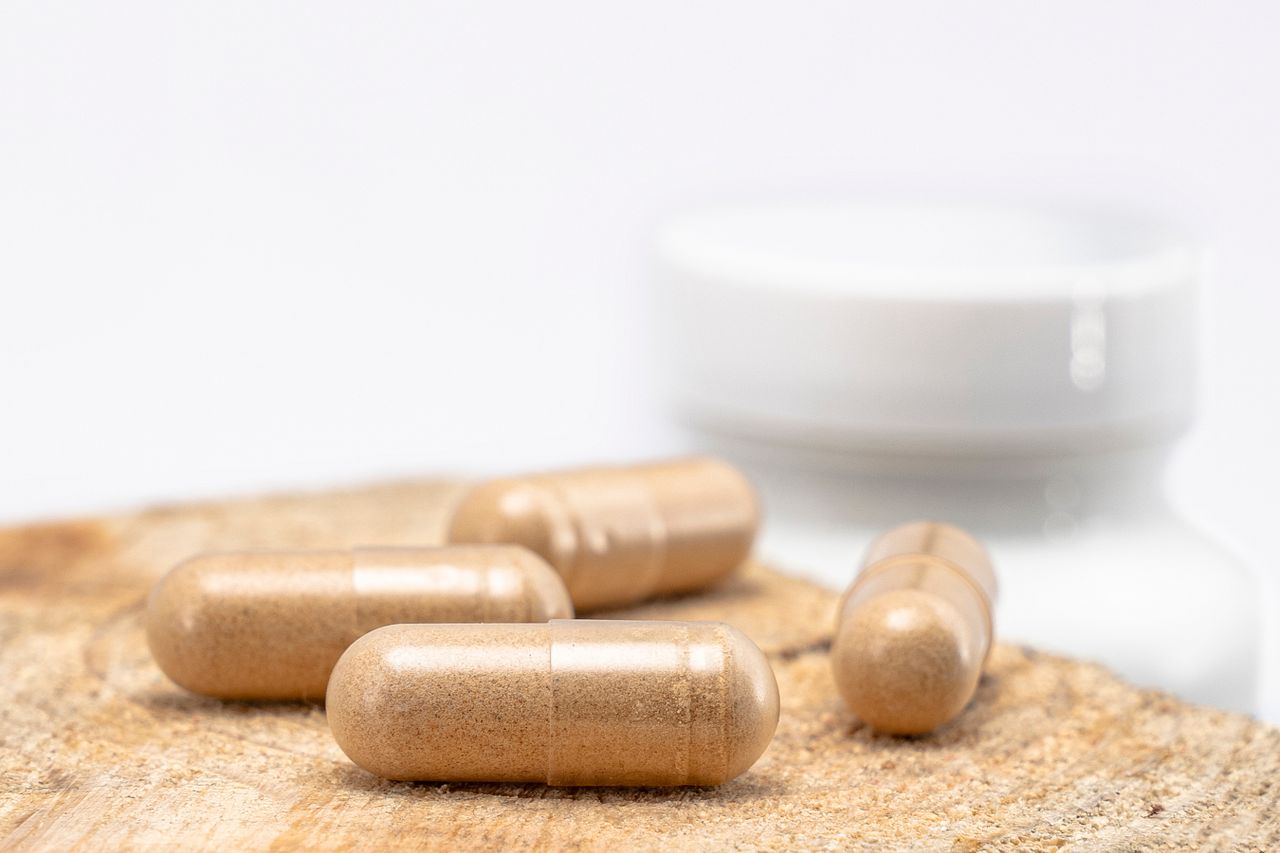
Berberine is the supplement TikTok christened “nature’s Ozempic”, and the nickname did what nicknames do: it made a genuinely interesting plant compound sound like something it isn’t. Berberine is not a weight-loss drug, and the honest comparison with semaglutide is embarrassing for berberine. What it does have is a surprisingly solid body of clinical research on blood sugar and cholesterol — better than most things on a supplement shelf. This guide covers what berberine actually does, the numbers from the meta-analyses, dosage, the side effects and drug interactions that matter, and who should not take it.
Berberine at a Glance
| What it is | A yellow alkaloid extracted from plants including barberry, goldenseal, Oregon grape and Coptis chinensis (Chinese goldthread) |
| Best evidence for | Lowering blood sugar and HbA1c, improving insulin resistance, lowering LDL cholesterol and triglycerides |
| Weak evidence for | Weight loss — real but small (about 0.9 kg in meta-analysis) |
| Typical dose | 500 mg two or three times a day, with food, total 1,000–1,500 mg |
| Main side effects | Digestive: cramps, diarrhoea or constipation, nausea |
| Do not take if | Pregnant or breastfeeding, giving to a newborn, or taking medication metabolised by CYP3A4 — check with a pharmacist |
What Is Berberine?
Berberine is an isoquinoline alkaloid — a bitter, intensely yellow compound that several unrelated plants produce, most famously barberry (Berberis), goldenseal (Hydrastis canadensis), Oregon grape and Chinese goldthread (Coptis chinensis). It has been used in Chinese and Ayurvedic medicine for centuries, mostly for digestive infections and diarrhoea, and the yellow dye was used for cloth long before anyone measured a blood sugar level.
Its modern interest comes from what it does inside cells. Berberine activates AMP-activated protein kinase (AMPK), an enzyme that acts as a kind of cellular fuel gauge, switching cells towards using glucose and fat for energy. That’s the same broad pathway metformin works on, which is why berberine is often described as a “natural metformin” — a comparison that is mechanistically reasonable and clinically overstated.
Berberine Benefits: What the Research Shows
1. Blood sugar — the strongest evidence
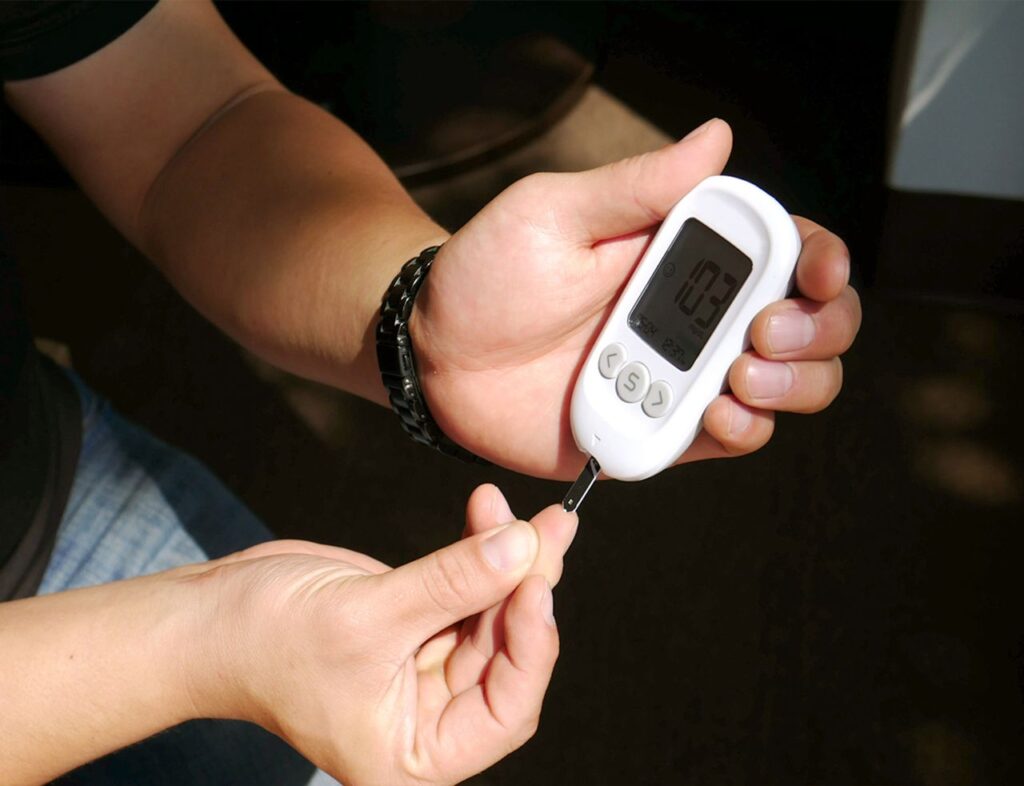
An umbrella meta-analysis published in Clinical Therapeutics in 2024 — a review pooling the existing meta-analyses — found berberine supplementation significantly reduced fasting blood glucose, HbA1c (by around 0.57 percentage points), fasting insulin and HOMA-IR, the standard measure of insulin resistance. It also lowered the inflammatory markers IL-6, TNF-α and CRP. For a supplement, that is an unusually consistent set of findings.
The catch is in the comparison. The 2012 meta-analysis of 14 randomised trials (1,068 participants) found that berberine added to lifestyle change beat lifestyle change alone — but when berberine was compared head-to-head with metformin, glipizide or rosiglitazone, it did not produce better glycaemic control. It matched them, in trials the authors themselves rated as generally low quality. Berberine is not a replacement for diabetes medication, and swapping one for the other without your doctor is genuinely dangerous.
2. Cholesterol and triglycerides
Berberine consistently lowers total cholesterol, LDL and triglycerides across trials, and modestly raises HDL. A 2025 systematic review and meta-analysis in Frontiers in Pharmacology looking at the components of metabolic syndrome found benefits across the cluster — glucose, lipids and blood pressure measures — rather than one isolated effect. This is the second-best-supported use, and the one most likely to show up on your next blood test.
3. Weight loss — real, but small
Here is the number the “nature’s Ozempic” crowd doesn’t quote. A 2026 systematic review and meta-analysis in the International Journal of Obesity pooled 23 randomised controlled trials and found berberine reduced body weight by an average of 0.88 kg, BMI by 0.48 kg/m² and waist circumference by about 1.3 cm. Waist-to-hip ratio didn’t change. An earlier dose-response meta-analysis found a reduction in BMI and waist circumference but no significant change in body weight at all.
Compare that with the drug it’s nicknamed after. In the STEP 1 trial of semaglutide 2.4 mg, published in the New England Journal of Medicine, participants lost an average of 14.9% of body weight — about 15.3 kg — over 68 weeks, and half lost 15% or more. Berberine’s average is under a kilogram. They are not in the same category, and no amount of social media framing changes that.
4. Fatty liver
A 2024 meta-analysis in the Journal of Translational Medicine found berberine improved liver enzymes, lipid measures and insulin resistance in people with non-alcoholic fatty liver disease. Promising, still early, and not a reason to skip the dietary changes that drive the condition.
5. PCOS
Because polycystic ovary syndrome is closely tied to insulin resistance, berberine has been trialled as an adjunct. A 2024 meta-analysis in Explore examined berberine as adjuvant therapy for reduced fertility potential in women with PCOS. The signals are encouraging but the trials are small — treat this as “worth discussing with your specialist”, not settled.
The Bioavailability Problem
Something odd sits underneath all of this: berberine is barely absorbed. A 2026 narrative review in Pharmaceuticals notes oral bioavailability around 0.68% in rats and plasma levels in humans measured in nanograms per millilitre — vanishingly low. Most of the dose never reaches your bloodstream at all.
That matters in two ways. It suggests much of berberine’s effect happens in the gut itself — on the intestinal lining and the gut microbiome — rather than systemically. And it explains why “phytosome”, liposomal and dihydroberberine products exist and charge a premium for better absorption. Whether those formulations actually produce better clinical results hasn’t been demonstrated; almost all the trial evidence used plain berberine hydrochloride.
Dosage: How to Take It
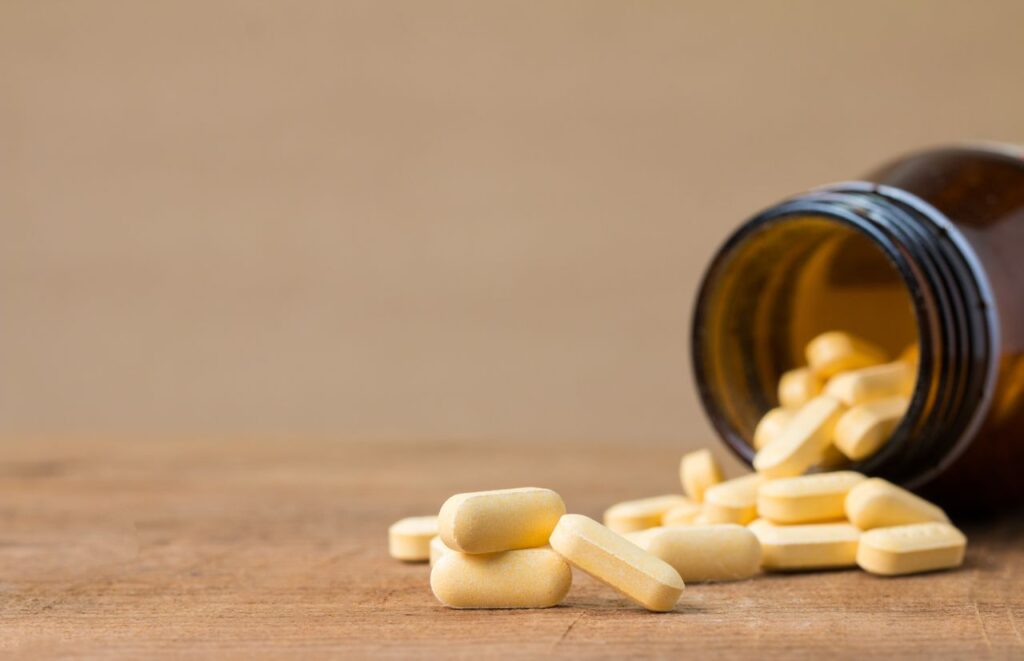
- The standard trial dose is 500 mg, two or three times a day — 1,000 to 1,500 mg in total. That’s what most of the research used.
- Split it, don’t stack it. Berberine has a short half-life, and a single 1,500 mg dose is a reliable way to get cramps and diarrhoea.
- Take it with food, ideally just before or with a meal containing carbohydrate, which is when the glucose-lowering effect is useful and when the stomach tolerates it best.
- Start low. One 500 mg capsule a day for the first week, then build up. Most digestive complaints come from starting at full dose.
- Give it 8–12 weeks. Most trials ran for three months. Blood sugar and lipid changes show up on a blood test, not on the scales, so measure the right thing.
- Cycling isn’t evidence-based. The common advice to take it for eight weeks then break for two comes from tradition and caution about long-term safety data, not from a study showing it’s necessary.
Quality: Most Products Aren’t What the Label Says
This is the practical problem with berberine, and it’s a big one. Researchers bought 15 berberine supplements from US retailers and measured what was actually in them. Average content was 75% of the label claim, ranging from 33% to 100%, and nine of the 15 products (60%) failed the potency standard pharmaceutical products must meet. Price told you nothing: expensive products were no more likely to be accurate than cheap ones.
So if you’re going to take it, look for third-party testing (USP, NSF, Informed Choice or an equivalent certificate of analysis), buy berberine HCl with the milligram content stated per capsule rather than a proprietary “blend”, and don’t assume a higher price means a better product.
Side Effects, Interactions and Who Should Avoid It
- Digestive upset is the common one: cramping, diarrhoea, constipation, flatulence, nausea, and a bitter taste. Usually dose-related and better if you start low and take it with food.
- Drug interactions are the serious one. Despite that tiny systemic absorption, berberine inhibits CYP3A4 and P-glycoprotein in the gut wall, which can raise blood levels of other drugs. That includes some statins, calcium channel blockers, ciclosporin and tacrolimus, and certain blood thinners. If you take any regular prescription medicine, ask a pharmacist before starting berberine — this is not a theoretical risk.
- Hypoglycaemia. Combined with insulin or a sulfonylurea, berberine can push blood sugar too low. If you have diabetes, involve your doctor and monitor.
- Never in pregnancy or breastfeeding, and never give it to a newborn. Berberine crosses the placenta and passes into breast milk, and in infants it can displace bilirubin from albumin, raising the risk of kernicterus (a form of brain damage from jaundice).
- Stop before surgery — at least two weeks, because of the effects on blood sugar and possible interactions with anaesthetic drugs.
- Long-term safety is unknown. Most trials ran three to six months. Nobody has good data on taking berberine daily for years.
Is Berberine Worth Taking?
- If you want to lose weight: no. Under a kilogram on average is not what anyone is hoping for, and the money is better spent on food, a gym membership or a proper medical consultation.
- If you have prediabetes, insulin resistance or high cholesterol and you want something to add alongside diet and exercise: this is where berberine has the best case of anything on the supplement shelf. Talk to your GP, take it for three months, and get your bloods retested.
- If you already take metformin or a statin: berberine isn’t a replacement, and the interaction risk is real. That’s a conversation with your doctor, not a substitution you make yourself.
- If you’re healthy and just curious: there’s no demonstrated benefit to taking berberine when your blood sugar and lipids are already normal.
Frequently Asked Questions
Is berberine really “nature’s Ozempic”?
No. Semaglutide produced about 15% body weight loss in its main trial; berberine averages under 1 kg in meta-analysis. They work by completely different mechanisms — semaglutide is a GLP-1 receptor agonist that suppresses appetite, berberine mainly affects glucose metabolism in the gut and liver. The nickname is marketing, not pharmacology.
Is berberine safe?
For most healthy adults, short-term use at 1,000–1,500 mg a day is generally well tolerated, with digestive upset the main complaint. The real risks are drug interactions, low blood sugar if you’re on diabetes medication, and use in pregnancy or infancy, where it should be avoided entirely.
Is berberine bad for your liver or kidneys?
There’s no good evidence that berberine harms healthy liver or kidneys at normal doses — in fatty liver trials it improved liver enzymes. But it’s cleared through those organs and interacts with drugs that are too, so if you have existing liver or kidney disease, check with your doctor first.
How long does berberine take to work?
Glucose effects can appear within days to a couple of weeks, but the meaningful changes in HbA1c and lipids in the trials took 8–12 weeks. Judge it on a blood test after three months, not on how you feel in week one.
Can you take berberine with metformin?
Some trials have combined them, but both lower blood sugar and both commonly cause digestive side effects, so together they can compound each other. Only with your doctor’s knowledge and monitoring.
When should you take berberine — morning or night?
With meals, spread across the day. Most people take it before breakfast and before dinner, or before all three meals. Taking it on an empty stomach is the fastest route to cramps.
Berberine or dihydroberberine?
Dihydroberberine is absorbed better and is sold at lower doses for that reason. It’s a plausible improvement, but the clinical trial evidence behind berberine’s benefits used plain berberine HCl, so the better-absorbed versions are currently a reasonable bet rather than a proven upgrade.
Does berberine kill gut bacteria?
It has antimicrobial activity — historically it was used for infectious diarrhoea — and it does shift the composition of the gut microbiome. Some of that shift is thought to be part of how it works. The long-term consequences haven’t been mapped out.
Related Reading
- Natural Ozempic Alternatives — the other supplements people try, and what the evidence says
- How to Lower Blood Sugar Naturally — the food and habit changes that work first
- Optislim vs Optifast — meal replacement programs compared
- Browse all herbal remedies
This article is for educational purposes only and is not medical advice. Berberine interacts with many prescription medicines and can lower blood sugar: speak to your doctor or pharmacist before taking it, particularly if you take any regular medication or have diabetes. Do not take berberine during pregnancy or breastfeeding, and never give it to an infant. Never stop or replace prescribed medication with a supplement. See our medical disclaimer.
Images by Supplements On Demand, i-SENS, USA and Picas Joe via Pexels (free licence).