

What are the signs of low vitamin D? The common ones are tiredness that sleep does not fix, aching bones or muscles, low mood, frequent colds and slow healing. They are vague and easily blamed on something else, which is why a blood test is the only way to know. Most people in northern countries make almost no vitamin D from sunlight between October and March.
This is the week the clocks and the sunlight start working against you. From about the start of October until March, the sun in the UK, northern Europe, Canada and the northern United States sits too low for your skin to make any meaningful vitamin D, whatever the weather does. Anything you have stored over summer has to last the winter. Here is how to tell whether you are actually low, what the research says supplements can and cannot do, and how much to take without overdoing it.
Vitamin D at a Glance

| What it is | A hormone your skin makes from UVB sunlight, also found in a few foods |
| What it definitely does | Controls calcium absorption, keeps bones and muscles working, supports immune function |
| Common symptoms of low levels | Fatigue, bone or muscle aches, low mood, frequent infections, hair thinning |
| Winter rule | Above roughly 37 degrees latitude, skin makes essentially none from October to March |
| Typical supplement | 400 to 1,000 IU (10 to 25 micrograms) a day through the darker months |
| Upper limit | 4,000 IU a day for adults without medical supervision |
Signs Your Vitamin D Might Be Low

Mild deficiency often causes nothing at all, and the symptoms it does cause are shared with a dozen other things. That is the honest problem with this topic. Still, these are the ones doctors see most:
- Fatigue that rest does not fix. The most commonly reported symptom, and the least specific.
- Aching bones, especially the lower back, hips, ribs or shins. A deep, dull ache rather than a sharp pain. In severe, long-running deficiency this becomes osteomalacia, where the bone itself softens.
- Muscle weakness and cramps, particularly noticeable climbing stairs or getting out of a low chair.
- Low mood through the darker months. Vitamin D receptors sit in areas of the brain linked to mood, though as you will see below, the treatment evidence is mixed.
- Catching everything going round. Vitamin D helps switch on parts of the immune defence in your airways.
- Hair thinning, reported mainly in more severe deficiency, and much more often in women.
- Slow healing of cuts or persistent low-level inflammation.
- In children, delayed walking, bowed legs or persistent bone pain, which needs a doctor promptly. This is rickets and it still happens.
Notice that every single one of those could be anaemia, an underactive thyroid, poor sleep, depression or simply a hard month. That is exactly why guessing is a bad strategy and a blood test is a good one.
Why Winter Is the Problem
Your skin makes vitamin D only from UVB rays, and UVB reaches the ground only when the sun is high enough in the sky. Above roughly 37 degrees of latitude, which includes all of the UK, most of Europe, Canada and the northern half of the United States, the sun sits too low from about October to March for your skin to make any. A bright, cold January afternoon produces essentially nothing. Glass blocks UVB too, so a sunny desk by a window does not count.
Several things reduce how much you make even in summer:
- Darker skin. Melanin is a natural sunscreen, so more melanin means longer exposure is needed for the same amount.
- Being over 65. Older skin makes vitamin D far less efficiently.
- Covering up, whether for cultural reasons, sun protection or simply working indoors all day.
- Carrying more body fat, which stores vitamin D and keeps it out of circulation.
- Conditions affecting absorption such as coeliac disease, Crohn’s, cystic fibrosis, or previous weight-loss surgery.
- Some medicines, including certain anticonvulsants, glucocorticoids and antiretrovirals.
What the Research Actually Supports
This is where honest reporting matters, because vitamin D has been through a cycle of enormous claims followed by large trials that did not back them up.
Colds and chest infections: the story changed
A 2017 individual participant meta-analysis in the BMJ found vitamin D supplements protected against acute respiratory infections, with the benefit concentrated in people who were deficient to begin with. That result travelled a long way and still gets quoted.
Then more trials arrived. An updated meta-analysis in Lancet Diabetes and Endocrinology pooled 40 studies covering 61,589 people and found the protective effect was no longer statistically significant (odds ratio 0.94, confidence interval 0.88 to 1.00). The subgroup analyses found no clear benefit by age, dose, dosing frequency or starting vitamin D level either. So the fair summary today is that vitamin D is not a reliable way to avoid winter colds, even though it once looked like one.
Bones: it depends who you are
Vitamin D is genuinely essential for bone health, because without it you cannot absorb calcium properly. But supplementing people who already have enough is a different question. In VITAL, a trial of 25,871 adults published in the New England Journal of Medicine, vitamin D3 did not reduce total, non-vertebral or hip fractures compared with placebo, and that held regardless of starting vitamin D level. Crucially, those participants were generally healthy and not selected for deficiency or osteoporosis. Treating real deficiency protects bones. Topping up when you are already fine does not.
Mood: short-term signal, weak long-term
A 2024 dose-response meta-analysis in Psychological Medicine found vitamin D3 reduced depressive symptoms, with the effect strongest in trials lasting under 24 weeks and fading in trials running a year or more. It had no significant effect on anxiety. Read that as promising and unresolved rather than established, and never as a replacement for treatment.
The pattern across all three is the same. Vitamin D behaves like a nutrient, not a drug. Fixing a deficiency helps. Adding more on top of enough does very little.
Getting Tested, and What the Numbers Mean
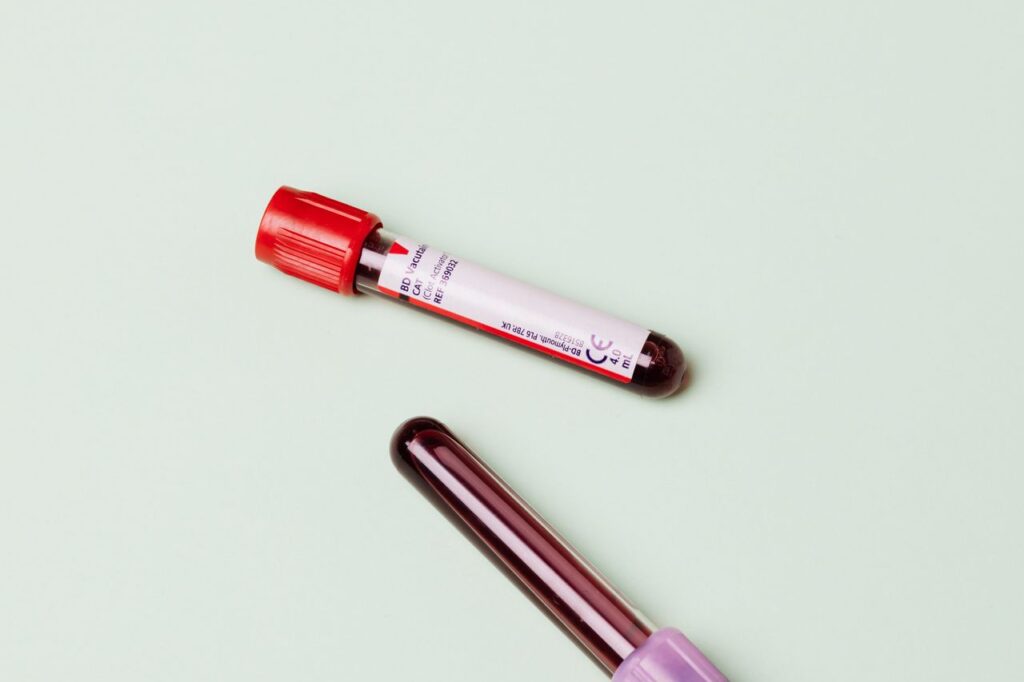
Ask for a 25-hydroxyvitamin D blood test. Units differ by country, which causes a lot of confusion, so here are both:
| Level | nmol/L (UK and Europe) | ng/mL (US) |
|---|---|---|
| Deficient | Below 25 to 30 | Below 12 |
| Insufficient | 30 to 50 | 12 to 20 |
| Sufficient | 50 and above | 20 and above |
| High, no added benefit | Above 125 | Above 50 |
Two practical notes. Expert bodies disagree about where “enough” sits, so your result may be read slightly differently depending on who is reading it. And routine testing is not recommended for everyone: if you have no symptoms and no risk factors, most health services would rather you simply took a modest winter supplement than paid for a test.
How Much to Take

- General winter dose: 400 IU (10 micrograms) a day is the standard public health advice in the UK from October to March, and many clinicians suggest 800 to 1,000 IU. The US recommended intake is 600 IU for adults up to 70 and 800 IU beyond that.
- Confirmed deficiency: treated with much higher loading doses, but only under medical supervision and usually with a follow-up test. Do not self-prescribe this.
- Upper limit: 4,000 IU a day for adults. Higher than that belongs with a doctor, not a shopping basket.
- Pick D3 over D2. Cholecalciferol (D3) raises and maintains blood levels more effectively than ergocalciferol (D2). Vegan D3 made from lichen is widely available.
- Take it with a meal containing fat. It is fat soluble, so absorption is noticeably better with food than on an empty stomach.
- Daily beats occasional. Large monthly megadoses have performed poorly in trials compared with steady daily dosing.
Food Sources, and Why They Are Not Enough on Their Own

- Salmon, 100 g cooked: roughly 400 to 600 IU
- Mackerel or sardines, 100 g: roughly 300 to 400 IU
- Cod liver oil, one teaspoon: around 450 IU, though it is also very high in vitamin A, so do not double up
- Egg yolk, one: about 40 IU
- Mushrooms exposed to UV light (check the label, it is usually stated): several hundred IU per serving
- Fortified milk, plant milks and cereals: typically 40 to 100 IU per serving
Add that up for a normal day of eating and most people land somewhere near 100 to 200 IU, well short of what winter demands. Unless you eat oily fish several times a week, food alone will not carry you from October to March.
Can You Take Too Much?

Yes, though it takes effort. Vitamin D is fat soluble, so it accumulates. Sustained very high doses raise blood calcium, which causes nausea, vomiting, excessive thirst and urination, confusion, kidney stones and, if ignored, kidney damage. Cases still appear in the medical literature, usually from people taking megadose products for months or from badly made supplements. A 2025 case report described three members of one family poisoned by an unregulated fortified product.
You cannot get too much from sunlight, because your skin stops producing once it has made enough, and food will not do it either. Stay at or below 4,000 IU a day unless a doctor has told you otherwise, and be wary of the 10,000 IU bottles sold online.
Who Should Talk to a Doctor First
- Anyone with sarcoidosis, tuberculosis, lymphoma or hyperparathyroidism, where vitamin D can push blood calcium dangerously high
- Anyone with kidney disease or a history of kidney stones
- Anyone taking thiazide diuretics, digoxin or high-dose calcium, all of which interact with vitamin D
- Anyone whose symptoms are getting worse, or who has unexplained weight loss, fever or bone pain that wakes them at night, which needs proper investigation rather than a supplement
- Parents of a child with bowed legs, delayed walking or persistent bone pain
Frequently Asked Questions
What are the symptoms of vitamin D deficiency in women?
The same as in men: fatigue, bone and muscle aches, low mood and frequent infections. Hair thinning is reported more often by women, and deficiency is more common in women who cover up, who are pregnant or breastfeeding, or who have been through several pregnancies close together.
How long does it take to correct low vitamin D?
Blood levels usually improve within 6 to 8 weeks of consistent supplementation, and symptoms such as bone ache and fatigue often lag behind by several more weeks. If you were treated for confirmed deficiency, ask for a repeat test around the three month mark.
Can I get enough vitamin D through a window?
No. Standard glass blocks almost all UVB, which is the wavelength your skin needs. Sitting in a sunny window feels lovely and does nothing for your vitamin D.
Does vitamin D help you avoid colds and flu?
Less than people think. A 2017 analysis suggested it did, but an updated meta-analysis of 40 trials in 61,589 people found no statistically significant protection. Correcting a genuine deficiency is still worthwhile for your health generally, but do not count on it to keep winter bugs away.
Should I take vitamin D every day or a big weekly dose?
Daily. Steady daily dosing has performed better in trials than large intermittent doses, and it keeps blood levels more even.
Is 1,000 IU a day too much?
No. It sits comfortably under the 4,000 IU adult upper limit and is a common recommendation for adults through winter. The dose worth questioning is 10,000 IU, which some products sell and almost nobody needs.
Does vitamin D help with tiredness?
If the tiredness is caused by deficiency, correcting it often helps. If your level is already normal, more vitamin D will not give you energy. Persistent fatigue deserves a proper check for anaemia, thyroid problems and sleep disorders too.
Do I need vitamin D in summer as well?
Most people with fair skin who get outside regularly do not, between April and September. You may still need it year round if you have dark skin, cover up, are housebound, or have a condition affecting absorption.
Related Guides
- Natural Immune Boosters for Winter, what actually helps when the bugs arrive
- Magnesium for Sleep, the other supplement everyone is told to take
- Home Remedies for Sore Throat, ranked by evidence
- Natural Remedies for Insomnia, for the winter sleep slump
- Browse all diet and nutrition guides
This article is for educational purposes only and is not medical advice. Do not take more than 4,000 IU of vitamin D a day without medical supervision, and speak to your doctor first if you have kidney disease, sarcoidosis, hyperparathyroidism, a history of kidney stones, or take thiazide diuretics or digoxin. Persistent fatigue, bone pain or low mood should be assessed by a clinician rather than self-treated. See our medical disclaimer.
Images by Matt Barnard, SHVETS production, Kaboompics, Supplements On Demand, Geraud Pfeiffer and Nicola Barts via Pexels (free licence).