

Start with the thing almost every page about this gets wrong. There is no such thing as moringa leaf oil in the usual sense. Moringa oil, also sold as ben oil, is pressed from the seeds. The leaves are eaten, dried into powder or brewed as tea. When a product is labelled “moringa leaf oil” it is usually seed oil, or leaves infused into a carrier oil, and the two have almost nothing in common.
That matters because the research on each part is separate, and the claims get freely swapped between them. Here is what the evidence supports, kept apart properly.
At a Glance
| Where the oil comes from | The seeds, not the leaves |
| For cholesterol and blood sugar | Pooled trials show no consistent benefit, certainty rated very low |
| For skin | Plausible, but the anti-inflammatory work is in mice |
| As a cooking oil | Genuinely good. Stable, high in oleic acid, long shelf life |
| As food | The leaves are nutritious in the ordinary way a dark leafy green is |
| Avoid | Root and root bark, which contain a toxic alkaloid |
Leaves and Seeds Are Not the Same Product

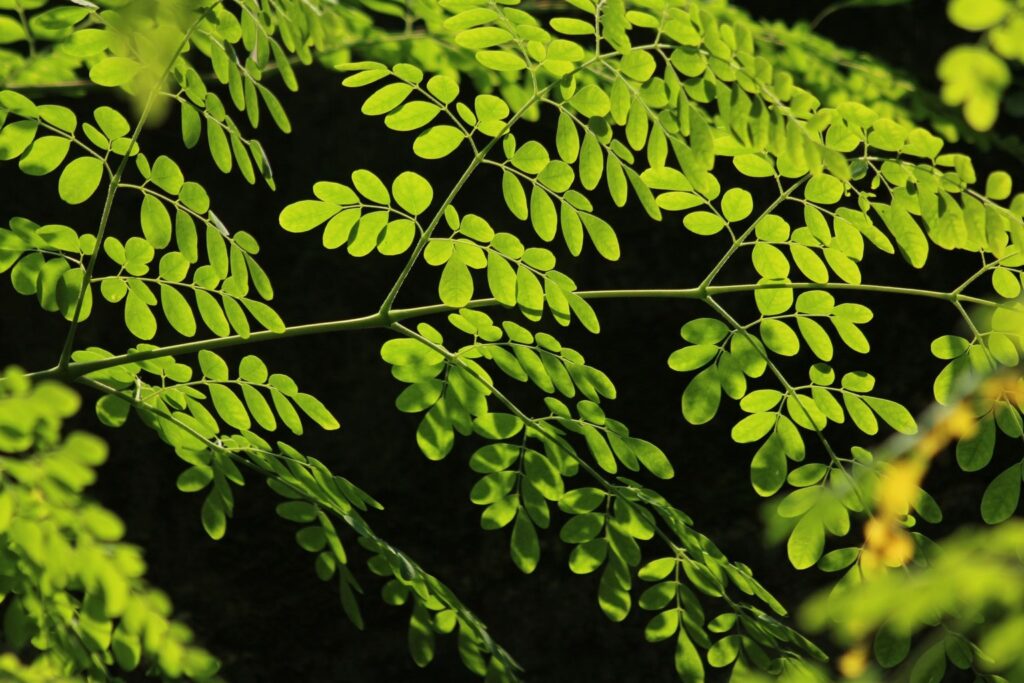
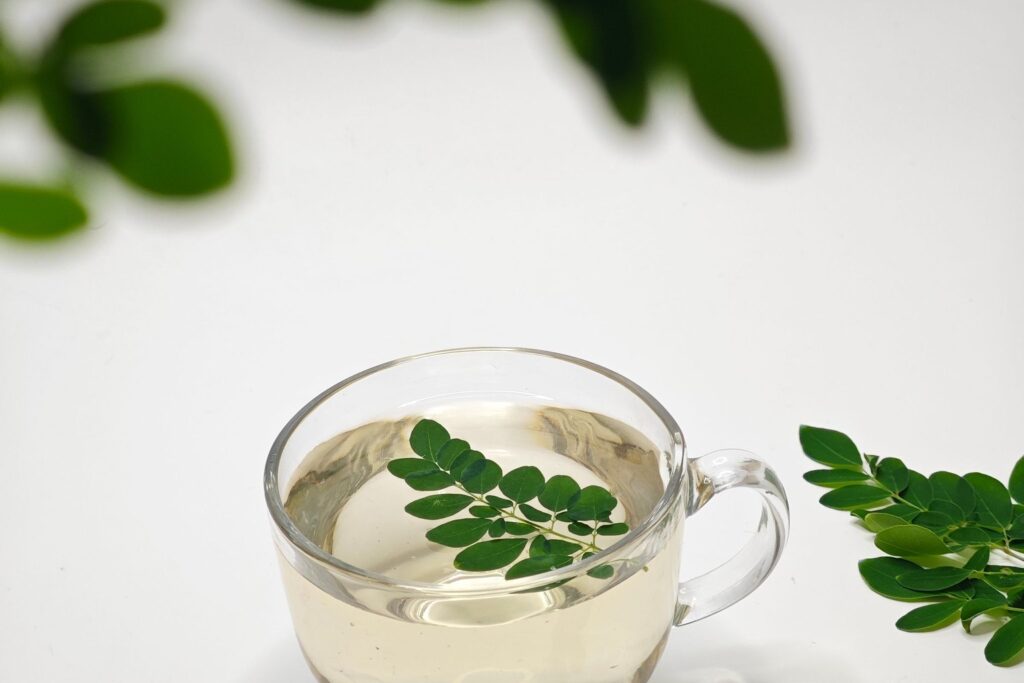
- Leaves. Eaten fresh, cooked like spinach, or dried and powdered. This is what nearly all the human trials used.
- Seeds. Pressed for oil, roughly 70% oleic acid, the same fatty acid that dominates olive oil. Very resistant to going rancid, which is why it was used for centuries to lubricate watches and preserve perfume.
- Pods, the drumsticks, eaten as a vegetable across South Asia.
- Root and root bark. Avoid. They contain spirochin, which is toxic, and this is the part traditional sources warn about.
So when you read that moringa lowers cholesterol and then see it on an oil bottle, check which part the study used. It was almost certainly the leaf.
What the Human Trials Found
This is the part that gets skipped. A 2025 meta-analysis in Nutrients pooled nine randomised controlled trials covering 341 people taking moringa and 308 controls, and formally graded the certainty of the evidence.
The finding was blunt. Moringa supplementation showed no significant effect on most of the outcomes measured, including the lipid and anthropometric measures. There was a modest reduction in diastolic blood pressure, and even that did not hold up in sensitivity analysis. Heterogeneity was severe, with I² frequently above 80% for the lipid results, and the certainty of evidence was rated very low for every outcome assessed.
Their conclusion: current evidence does not support consistent cardiometabolic benefits of moringa supplementation in adults.
There is a revealing detail behind this. Search the literature for moringa and cholesterol and the pooled analyses that come back fastest are about broiler chickens and laying hens. A great deal of the moringa lipid research is livestock nutrition, which is legitimate science and simply not about you.
Moringa Oil on Skin and Hair
Here the honest answer is more encouraging, with a clear limit.
As a plain cosmetic oil, moringa seed oil is a perfectly good one. It is light, absorbs reasonably well, is high in oleic acid and unusually resistant to oxidation, so it keeps better than many cold-pressed oils. If it suits your skin, that is a real and sufficient reason to use it.
The anti-inflammatory claims go further than the evidence. A 2020 study in the Journal of Ethnopharmacology found topical moringa seed oil reduced skin inflammation and epidermal thickening, and suggested it could help conditions driven by keratinocyte overgrowth. That work was done in mice, using chemically induced ear oedema. It is a good reason to run a human trial. It is not a reason to treat eczema or psoriasis with it instead of what your doctor prescribed.
For hair, the same applies. It coats and smooths the hair shaft like other oils do. There is no good human evidence that it makes hair grow.
What It Is Genuinely Good For
- Cooking. The high oleic acid content and oxidation resistance make it stable and give it a long shelf life. A sound, mild cooking oil on its own merits.
- Moisturising. A decent emollient that absorbs without feeling heavy.
- The leaves as a vegetable. Genuinely nutritious, in the same way kale and spinach are. Rich in vitamin A, vitamin C, calcium and iron, and a useful food crop in places where those are hard to come by. That is a real public health story, and it is different from a supplement claim.
- It keeps. Unglamorous, but an oil that does not turn rancid quickly is worth something.

Buying and Using It
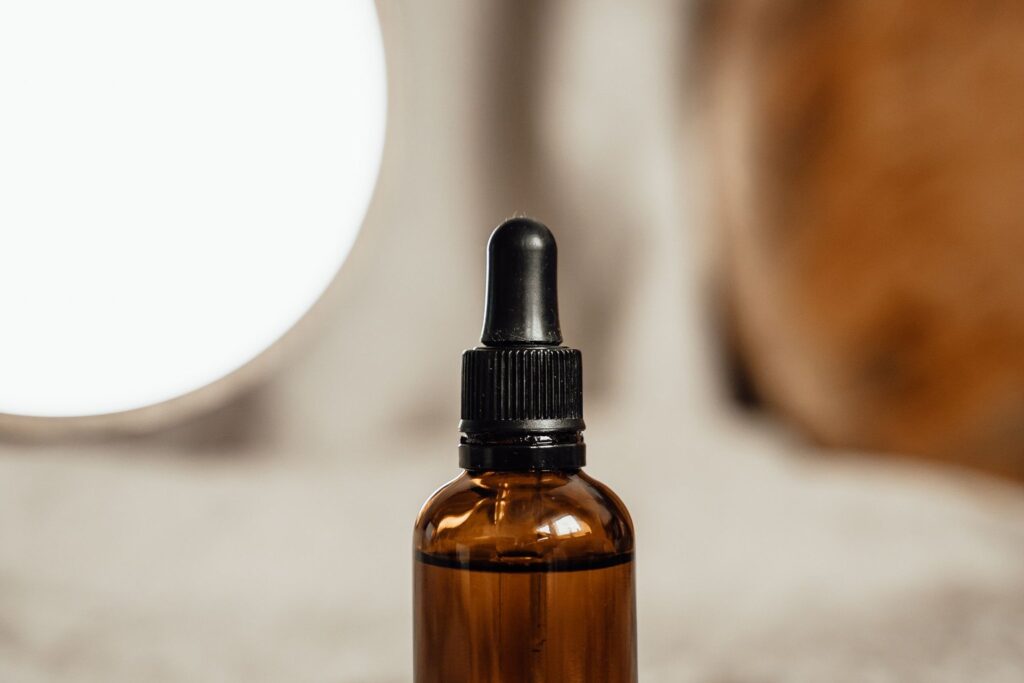
- Check what you are actually buying. Cold-pressed moringa seed oil is the real article. “Moringa leaf oil” usually means leaves infused in another carrier oil, which is a different and cheaper product.
- Cold-pressed and in dark glass. Standard advice for any cosmetic oil, and it matters more for the cheaper refined versions.
- Patch test first, on your inner forearm for a day, before putting any new oil on your face.
- Ignore the price premium for “miracle tree” branding. You are buying a pleasant oleic-rich oil, not a treatment.
Safety
- Never use root or root bark. They contain spirochin, a toxic alkaloid. Leaves, pods and seed oil are the edible parts.
- Pregnancy. Moringa root and bark have traditionally been used to bring on contractions. Avoid concentrated moringa supplements while pregnant and ask your midwife about leaf as a food.
- Diabetes and blood pressure medication. Moringa may add to the effect of these drugs. If you take either, speak to a pharmacist before starting a supplement.
- Thyroid medication. There is some evidence moringa affects thyroid function, so check first if you take levothyroxine.
- Large doses of leaf powder commonly cause stomach upset and a laxative effect.
Frequently Asked Questions
Is moringa oil made from the leaves?
No. Moringa oil, also called ben oil, is pressed from the seeds. Products sold as “moringa leaf oil” are generally seed oil or leaves infused into a carrier oil.
Does moringa lower cholesterol?
The pooled human evidence does not support it. A 2025 meta-analysis of nine randomised trials found no significant effect on most cardiometabolic outcomes, including lipids, and rated the certainty of evidence very low throughout. Much of the encouraging lipid research is in livestock.
Is moringa oil good for your face?
As a moisturiser, yes, it is a decent light emollient that resists going rancid. Claims that it treats acne or inflammatory skin conditions go beyond the evidence, which so far is in mice.
Does moringa help with blood sugar?
The same 2025 meta-analysis found no consistent effect on glycaemic measures. If you take diabetes medication, note that moringa may add to its effect, so check with a pharmacist before supplementing.
Can you cook with moringa oil?
Yes, and this is one of its better uses. It is around 70% oleic acid and unusually stable, so it keeps well and handles heat reasonably.
Is moringa safe in pregnancy?
Avoid concentrated supplements, and avoid root and bark entirely, as they have traditionally been used to bring on contractions. Ask your midwife before using moringa leaf as a regular food.
Why is it called the miracle tree?
Because it grows fast in poor soil and drought, and the leaves are genuinely nutritious, which makes it valuable where food security is difficult. That is the real story, and it is about agriculture rather than about a supplement curing anything.
Does moringa oil make hair grow?
There is no good human evidence for that. Like other oils it coats and smooths the hair shaft, which makes hair look better without changing how it grows.
Related Reading
- Natural Ozempic Alternatives, another case of supplement marketing outrunning the trials
- Bone Broth Benefits
- Lowering Blood Sugar Naturally
- Berberine Benefits
This article is for educational purposes only and is not medical advice. Moringa is not a treatment for high cholesterol, diabetes or any skin condition, and should not replace prescribed medication. Never use moringa root or root bark. Speak to a doctor or pharmacist before taking moringa supplements if you are pregnant or breastfeeding, or take medication for diabetes, blood pressure or your thyroid. See our medical disclaimer.
Images by Jahra Tasfia Reza, Nothing Ahead, Masuma Rahaman, Nothing Ahead and Alesia Kozik via Pexels (free licence).