
If you’re looking for natural sun protection tips that actually hold up to scrutiny, you’re in the right place. Most of us know that sun exposure is the leading environmental cause of skin ageing and skin cancer, yet protecting your skin doesn’t have to mean slathering on synthetic chemicals or hiding indoors all summer. There is a growing body of research supporting dietary, botanical and lifestyle strategies that can meaningfully reduce UV-related damage from the inside out and the outside in.
These approaches work best alongside, not instead of, broad-spectrum sunscreen. Think of them as a layered defence system for your skin health, one built on evidence and common sense.
Quick Reference: Natural Sun Protection Strategies at a Glance
| Strategy | Key Active Compounds | Evidence Level | Best Used As |
|---|---|---|---|
| Tomato paste / lycopene | Lycopene | Moderate (human trials) | Daily dietary habit |
| Green tea | EGCG, polyphenols | Moderate (human + lab studies) | Topical + internal |
| Astaxanthin | Carotenoid antioxidant | Moderate (small RCTs) | Daily supplement |
| Polypodium leucotomos | Fern-derived polyphenols | Moderate (clinical trials) | Oral supplement |
| Zinc oxide | Zinc | Strong (well-established) | Topical sunscreen base |
| Antioxidant-rich diet | Mixed antioxidants | Moderate (observational) | Ongoing lifestyle habit |
| Protective clothing/UPF | Physical barrier | Strong (well-established) | Daily wear |
| Vitamin D balance | Vitamin D3 | Moderate | Year-round lifestyle |
1. Load Up on Lycopene-Rich Foods

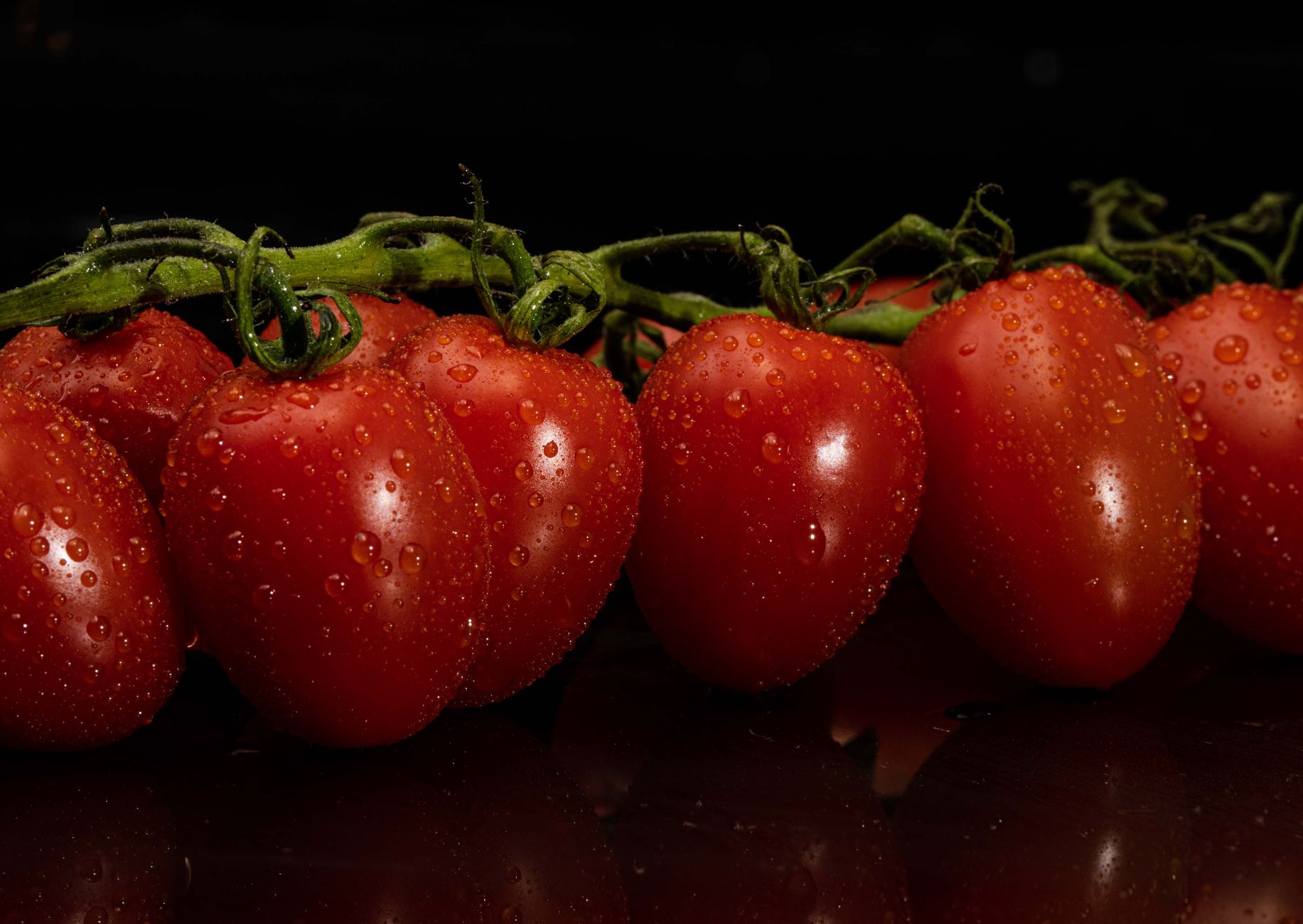
Lycopene is a powerful antioxidant carotenoid found in tomatoes, watermelon, pink grapefruit and guava. Research suggests it may act as a form of internal photoprotection by neutralising the free radicals generated by UV radiation before they can damage skin cell DNA. A well-cited study published in the British Journal of Dermatology found that participants who consumed 40g of tomato paste daily for 10 weeks showed significantly less UV-induced skin redness compared to the control group.
What makes tomato paste particularly effective is that cooking tomatoes increases the bioavailability of lycopene compared to raw tomatoes. Pairing tomato-based foods with a healthy fat like olive oil further enhances absorption, since lycopene is fat-soluble.
Aim to include tomato-based foods in your meals at least four to five times a week during summer. Other smart additions include watermelon slices, papaya and cooked red pepper. This is one of the most accessible and enjoyable natural sun protection tips you can build into your everyday diet without any extra effort.
There are no notable precautions with lycopene from food sources for most healthy adults. If you take blood-thinning medication, speak to your doctor before adding high-dose lycopene supplements to your routine.
2. Drink and Apply Green Tea
Green tea is one of the most researched plant-based allies for skin protection. Its main active compound, epigallocatechin gallate (EGCG), has been shown to reduce UV-induced inflammation, suppress the enzymes that break down collagen and help protect skin cells from oxidative stress. A 2022 review in Nutrients confirmed that both topical and oral green tea polyphenols can reduce markers of UV skin damage in human subjects.
Drinking two to three cups of green tea daily is an easy way to flood your body with these protective compounds. Cooled green tea can also be applied directly to the skin as a gentle toner or mist, and several natural skincare formulations now include standardised EGCG extracts for this reason.
For the best results, choose loose-leaf or high-quality bagged green tea and brew at around 80°C rather than boiling to preserve polyphenol content. Matcha, a powdered form of green tea, contains significantly higher EGCG concentrations and can be added to smoothies, oats or lattes.
Green tea contains caffeine, so those sensitive to stimulants should stick to one to two cups and avoid drinking it late in the day. Pregnant women should limit caffeine intake and consult their midwife before increasing green tea consumption.
3. Consider Astaxanthin Supplementation

Astaxanthin is a carotenoid produced by microalgae and found in salmon, shrimp and krill. It is considered one of the most potent natural antioxidants studied to date, with some research suggesting it is significantly more effective than vitamin E at quenching certain types of free radicals. Studies published in journals including Marine Drugs and the Journal of Clinical Biochemistry and Nutrition indicate that astaxanthin supplementation may reduce UV-induced skin deterioration, improve skin elasticity and decrease the appearance of fine lines.
A typical study dose ranges from 4mg to 12mg per day, usually taken as a supplement derived from Haematococcus pluvialis algae. Results tend to appear after four to eight weeks of consistent use, so this is a long-term natural sun protection strategy rather than a quick fix.
You can also increase dietary astaxanthin by eating wild-caught salmon, red trout and shellfish regularly. If you prefer a supplement, look for one standardised to at least 4% astaxanthin from algae sources and store it away from direct light to protect its potency.
Astaxanthin is generally well-tolerated, though it may cause skin to appear slightly more golden at high doses. It can interact with blood pressure medications and anticoagulants, so check with your doctor if you take either.
4. Try Polypodium Leucotomos Extract
Polypodium leucotomos (PL) is a tropical fern native to Central and South America, and it has attracted serious scientific interest as an oral photoprotectant. Research suggests it works by reducing the degradation of the skin’s natural antioxidant defence system under UV exposure. A clinical trial published in Photodermatology, Photoimmunology and Photomedicine found that oral PL supplementation significantly increased the minimal erythema dose (the threshold at which skin begins to redden from UV light) in human participants.
This makes PL one of the more clinically documented natural sun protection tips available as a supplement. It is commonly sold under the brand name Fernblock and is used in some dermatology practices as an adjunct to topical sun protection, particularly for people with photosensitive conditions like polymorphic light eruption.
A standard supplemental dose is typically 240mg to 480mg taken before sun exposure, though formulations vary. It works best when used consistently rather than as a one-off dose before a day at the beach.
PL is generally considered safe with few reported side effects, but long-term safety data beyond six months is limited. As always, consult a healthcare professional before starting any new supplement, especially if you have liver conditions or are on immunosuppressant medication.
5. Build an Antioxidant-Rich Diet Year-Round

One of the most effective natural sun protection tips is also the most straightforward: eat a wide variety of antioxidant-rich foods every single day. Vitamins C and E, beta-carotene, zinc and selenium all play roles in supporting the skin’s repair mechanisms and reducing oxidative stress caused by UV exposure. Research published in the American Journal of Clinical Nutrition has linked higher dietary antioxidant intake with improved skin texture, reduced photoageing and stronger immune skin response.
Berries, leafy greens, nuts, seeds, carrots, sweet potatoes and legumes are all excellent foundations. Pairing vitamin C-rich foods with vitamin E sources (such as almonds, sunflower seeds or avocado) creates a complementary antioxidant effect, since these two vitamins work together to regenerate each other’s protective activity.
For more guidance on building a skin-protective diet, explore our guide to anti-inflammatory foods for summer skin health, which covers specific foods and meal ideas in more detail. This approach is not a replacement for sunscreen but a foundational layer of protection that benefits your whole body, not just your skin.
There are no meaningful precautions for the average healthy adult eating a varied whole-food diet. If you take supplements rather than relying on food sources, check dosage guidelines with a nutritionist or GP.
6. Wear UPF-Rated Protective Clothing
Protective clothing is arguably the most reliable of all natural sun protection tips because it requires no topical application and does not wash off. UPF (Ultraviolet Protection Factor) rated garments block a measurable percentage of both UVA and UVB radiation, with UPF 50+ blocking over 98% of UV rays. The Skin Cancer Foundation endorses UPF clothing as an essential layer of everyday sun protection.
Modern UPF fabrics are lightweight, breathable and designed for summer wear, making this a genuinely practical strategy rather than an uncomfortable compromise. Wide-brimmed hats (at least 3 inches all around), UV-protective sunglasses and long-sleeved linen or bamboo shirts are all worth investing in if you spend time outdoors regularly.
Choosing protective clothing also supports broader skin longevity goals. For more on caring for your skin as you age naturally, take a look at our guide to simple habits to protect and age your skin gracefully.
The only precaution here is ensuring the clothing genuinely carries a UPF rating, as not all tightly-woven fabrics are tested or certified. A wet or stretched fabric typically loses some of its protective rating.
7. Apply Zinc Oxide as Your Mineral Sunscreen Base
Zinc oxide is a naturally occurring mineral that sits on the skin’s surface and physically reflects and scatters both UVA and UVB rays rather than absorbing them as a chemical. This makes it one of the safest and most skin-compatible sun protection ingredients available, and it is recommended by dermatologists for sensitive skin, children and people with conditions like rosacea. The FDA recognises zinc oxide as a generally recognised as safe and effective (GRASE) sunscreen ingredient.
Non-nano zinc oxide formulations are particularly popular in the natural skincare community because they do not penetrate the skin barrier, addressing concerns about systemic absorption that exist with some chemical UV filters. Tinted versions have improved significantly over recent years, reducing the stark white cast that older formulations were known for.
Look for mineral sunscreens containing at least 20% zinc oxide and combine them with the dietary and lifestyle strategies in this