
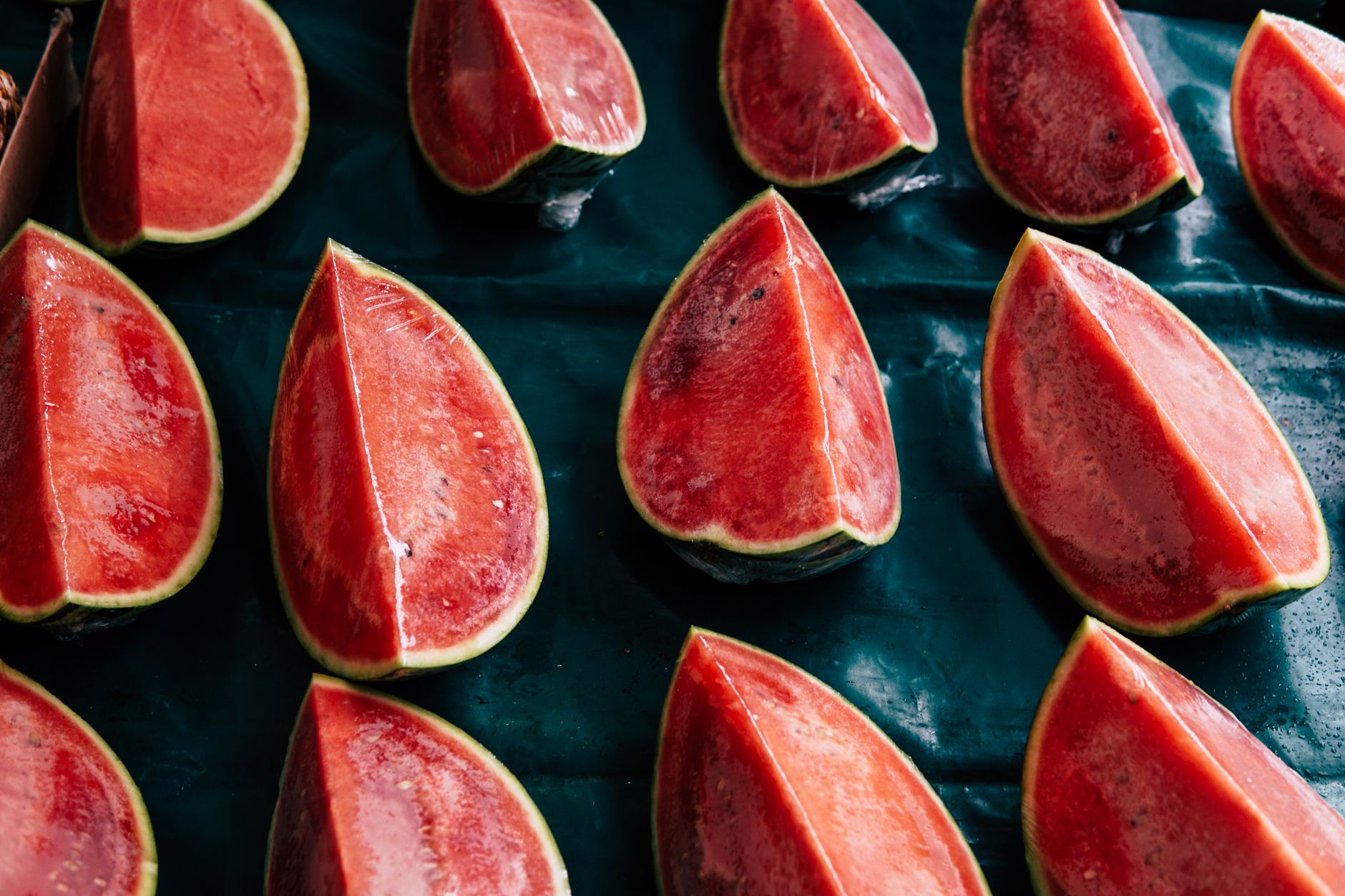
Knowing which foods to eat in summer can make a real difference to how you feel during the hottest months of the year. Summer heat puts extra demands on your body, increasing fluid loss through sweat and raising your risk of dehydration, fatigue, and inflammation. The good news is that nature provides an abundance of seasonal produce perfectly designed to help you stay cool, hydrated, and energised.
This guide covers eight of the best summer foods backed by nutritional science, along with practical tips on how to eat them and who should take care with certain options. Whether you’re dealing with the heat at home or staying active outdoors, these foods to eat in summer are worth adding to your plate.
| Food | Key Nutrients | Hydration Level | Best Used As |
|---|---|---|---|
| Watermelon | Lycopene, Vitamin C, Potassium | ~92% water | Snack, smoothie, salad |
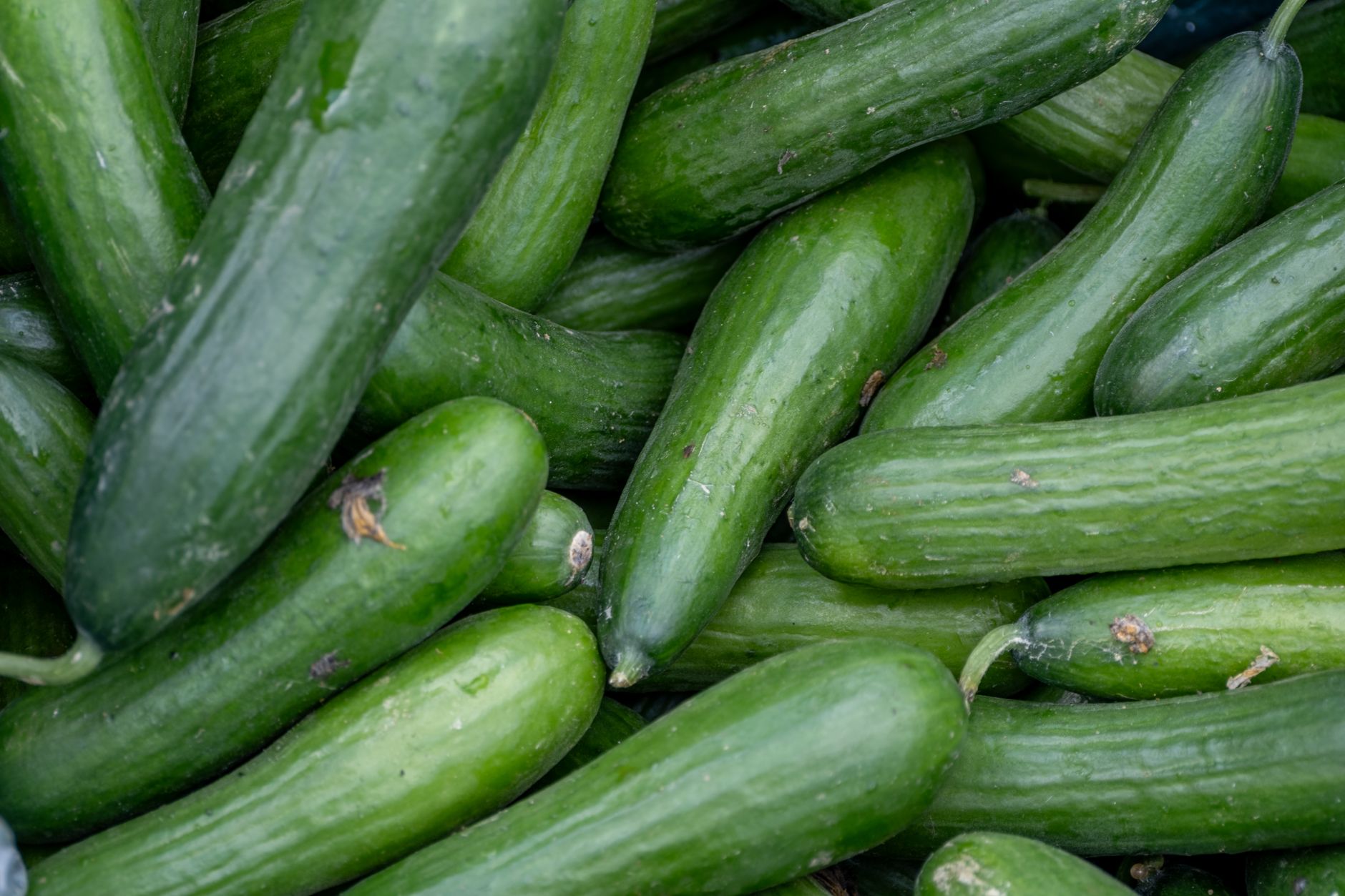
| Cucumber | Silica, Vitamin K, Magnesium | ~96% water | Salad, infused water, dip |
| Coconut Water | Electrolytes, Potassium, Magnesium | ~95% water | Drink, smoothie base |
| Mint | Menthol, Antioxidants, Rosmarinic acid | Moderate | Tea, garnish, infused water |
| Berries | Anthocyanins, Vitamin C, Fibre | ~85-90% water | Snack, breakfast, dessert |
| Tomatoes | Lycopene, Potassium, Vitamin A | ~94% water | Salad, sauce, soup |
| Yoghurt | Probiotics, Calcium, Protein | ~85% water | Breakfast, dip, smoothie |
| Mango | Beta-carotene, Vitamin C, Folate | ~83% water | Snack, salad, chutney |
1. Watermelon: The Ultimate Food to Eat in Summer
Watermelon is perhaps the most iconic of all foods to eat in summer, and for good reason. It is made up of roughly 92% water, making it one of the most hydrating whole foods you can reach for on a hot day. Beyond hydration, it delivers lycopene, a powerful antioxidant linked to reduced oxidative stress and cardiovascular support.
Research published in the Journal of Agricultural and Food Chemistry suggests that lycopene from watermelon is bioavailable and may help protect cells from damage caused by heat and UV exposure. Watermelon also provides a useful amount of potassium, which helps replace electrolytes lost through sweating. A 2-cup serving gives you around 270mg of potassium alongside vitamin C and vitamin A.
To get the most from watermelon, enjoy it chilled as a snack, blend it into a cooler with lime and mint, or toss it into a savoury summer salad with cucumber and feta. Seedless varieties are just as nutritious as seeded ones. If you have kidney disease or are watching your potassium intake, speak to your doctor before eating large amounts regularly.
2. Cucumber

Cucumber sits at around 96% water content, making it one of the most hydrating foods to eat in summer. It is also low in calories, which makes it easy to eat in generous quantities without any concern about energy balance. Traditional Ayurvedic and naturopathic traditions have long used cucumber to cool the body and soothe digestive discomfort.
Cucumbers contain silica, a trace mineral that supports skin elasticity and connective tissue health. They also provide small amounts of magnesium, potassium, and vitamin K. A 2019 review in the Journal of Aging Research and Clinical Practice noted that foods with high water content contribute meaningfully to daily hydration, especially in older adults who may not feel thirst as acutely.
Eat cucumber raw in salads, slice it into infused water, or blend it into a chilled gazpacho-style soup. Pairing it with hummus or tzatziki makes for a genuinely refreshing and satisfying summer snack. Most people tolerate cucumber well, though those with a known allergy to ragweed pollen may occasionally experience oral allergy syndrome.
3. Coconut Water
Coconut water has earned its reputation as one of nature’s most effective hydration drinks, and it belongs on any list of top foods to eat in summer. It is naturally rich in electrolytes including potassium, magnesium, sodium, and calcium, which are lost rapidly through perspiration during hot weather or physical activity. A single cup provides around 600mg of potassium, which is more than a medium banana.
A study published in the Journal of the International Society of Sports Nutrition found that coconut water was as effective as a commercial sports drink at rehydrating participants after exercise. It also caused less nausea and stomach upset than some electrolyte products, which is a meaningful advantage during summer activity. Coconut water is relatively low in sugar compared to many fruit juices, though it does contain natural sugars.
Choose fresh or 100% pure coconut water without added sugar for the best nutritional return. It works beautifully as a smoothie base, a post-exercise drink, or simply served cold over ice with a squeeze of lime. People with kidney conditions should be mindful of the high potassium content, and those with diabetes should factor coconut water’s natural sugars into their daily intake.
4. Fresh Mint
Fresh mint is one of those small but mighty additions to your summer diet that offers more than just a pleasant flavour. Its active compound menthol creates a genuine cooling sensation, both in the mouth and across the digestive system, making it a popular traditional remedy for heat-related discomfort. Mint is also one of the foods to eat in summer when you need a light, refreshing way to flavour water without added sugar.
Research published in Phytotherapy Research indicates that peppermint oil and mint preparations may help ease digestive symptoms including bloating and indigestion, which can worsen during summer due to changes in diet and eating habits. Mint also contains rosmarinic acid, an antioxidant that may support immune and anti-inflammatory pathways. You can also explore more anti-inflammatory foods to add to your diet this summer to complement mint’s benefits.
Add a handful of fresh mint to cold water or herbal iced tea, blend it into smoothies, or use it as a garnish for fruit salads and yoghurt bowls. Mint tea served cold with cucumber slices is a wonderfully effective summer cooler. Mint is generally very safe, but those with gastro-oesophageal reflux disease (GORD) may find mint worsens symptoms and should use it with care.
5. Berries
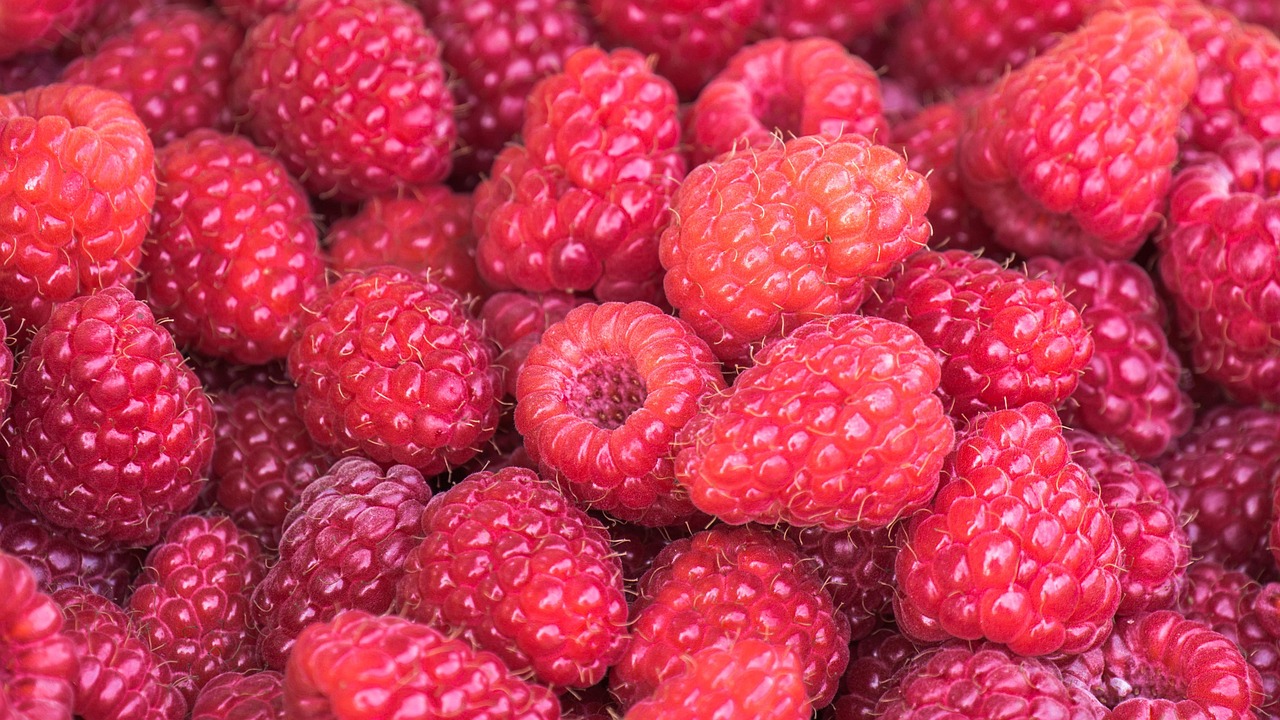
Berries are among the most nutrient-dense foods to eat in summer, arriving in peak abundance just when your body needs them most. Blueberries, strawberries, raspberries, and blackberries are all rich in anthocyanins, the pigments that give them their colour and that research consistently links to reduced inflammation and oxidative stress. A 2023 study in Nutrients found that regular berry consumption was associated with improved antioxidant status in adults during periods of increased physical activity.
Berries also contribute to your daily fluid intake, with strawberries sitting at around 91% water and blueberries at approximately 84%. They provide a good source of vitamin C, which supports immune function and skin repair, two things your body prioritises during sun exposure. If summer fatigue is something you struggle with, berries pair well with the strategies outlined in our guide to natural ways to beat summer fatigue.
Enjoy berries fresh as a snack, stirred into overnight oats, or blended with yoghurt for a quick summer breakfast. Frozen berries retain most of their nutritional value and are a cost-effective option when fresh ones are out of season or budget. People on blood-thinning medications like warfarin should note that some berries, particularly cranberries, may interact with these drugs.
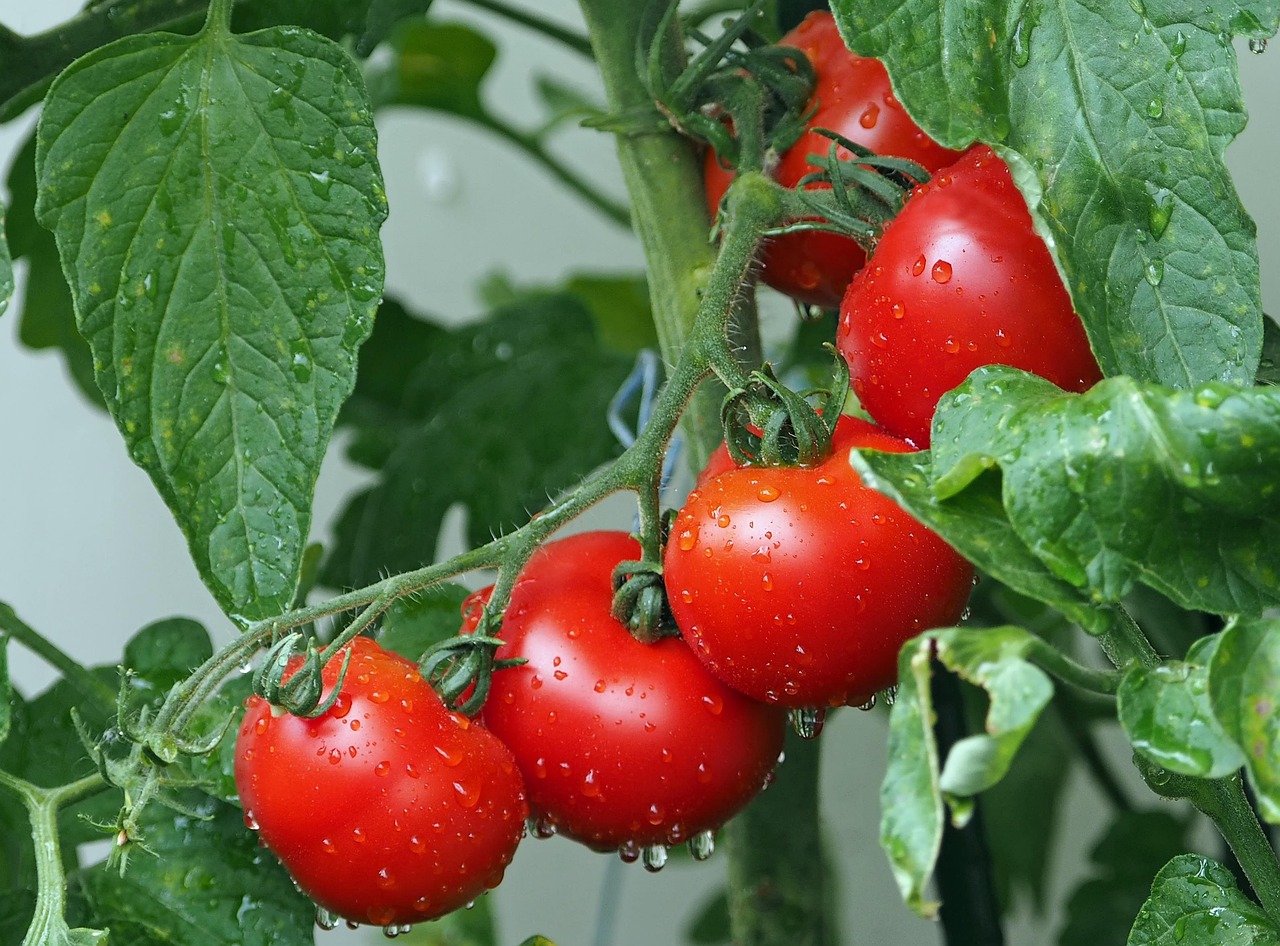
6. Tomatoes
Tomatoes are one of the most versatile and hydrating foods to eat in summer, composed of approximately 94% water. They are the richest common dietary source of lycopene, an antioxidant that studies suggest may offer some protection against UV-related skin damage over time. Research from the British Journal of Dermatology found that participants who consumed tomato paste daily showed measurably better skin protection against UV light compared to a control group after 10 weeks.
Tomatoes are also a useful source of potassium and vitamin A, both important for maintaining fluid balance and supporting skin health during summer. Lycopene absorption is actually enhanced when tomatoes are cooked or eaten with a small amount of healthy fat, so a simple drizzle of olive oil goes a long way. For more information on lycopene and general nutrient guidance, the NHS Eat Well guide provides a solid foundation for understanding micronutrient intake.
Enjoy tomatoes in fresh salads, roasted in the oven, blended into cold gazpacho, or sliced with olive oil and basil. Cherry tomatoes make an especially convenient summer snack that travels well. Those with acid reflux may want to monitor their tomato intake, as the natural acidity can sometimes aggravate symptoms in sensitive individuals.
7. Yoghurt
Plain yoghurt, particularly full-fat or Greek-style varieties, is one of the most practical foods to eat in summer for gut and general health. It provides probiotics, beneficial bacteria that research increasingly links to immune regulation, digestive comfort, and even mood stability. A well-functioning gut is especially important in summer when dietary changes and travel can disrupt your microbiome.
Yoghurt is composed of roughly 85% water and also delivers calcium, protein, and B vitamins, making it a genuinely nourishing choice rather than just a light summer option. A 2024 review in Frontiers in Nutrition noted that regular consumption of fermented dairy was associated with lower markers of systemic inflammation in healthy adults. Choose plain varieties over flavoured ones to avoid added sugars that can work against your wellness goals.
Eat yoghurt at breakfast with berries and a drizzle of honey, use it as a base for dips like tzatziki, or blend it into chilled smoothies. It makes an excellent cooling accompaniment to spicy summer dishes. Those with lactose intolerance often tolerate yoghurt better than other dairy products due to the bacterial fermentation process, though individuals with severe dairy allergies should seek plant-based probiotic alternatives.
8. Mango: A Sweet and Nourishing Food to Eat in Summer
Mango is a true