
Adding anti-inflammatory foods summer eating habits can be one of the most effective ways to support your long-term health, and the good news is that the warmest season of the year makes it surprisingly easy. Summer brings an abundance of fresh, colourful produce that research consistently links to reduced inflammation in the body. Whether you are managing a chronic condition or simply want to feel your best, these eight foods are worth making a regular part of your plate.
Chronic low-grade inflammation is now widely recognised as a contributing factor in many common health concerns, from joint discomfort to cardiovascular issues. Rather than a single dramatic trigger, it tends to build quietly over time through diet, stress, poor sleep and environmental exposures. The right foods can help shift that balance in a positive direction.
This list focuses on foods that are both seasonally available and backed by meaningful research. For each one, you will find practical tips on how to use it, what the science says, and any important precautions to keep in mind.
Quick Reference: Anti-Inflammatory Foods at a Glance
| Food | Key Compounds | Best Used As | Evidence Strength |
|---|---|---|---|
| Tart Cherries | Anthocyanins, quercetin | Juice, smoothies, snacks | Strong |
| Blueberries | Anthocyanins, pterostilbene | Fresh, frozen, yogurt topping | Strong |
| Watermelon | Lycopene, citrulline | Fresh slices, juices | Moderate |
| Turmeric | Curcumin | Golden milk, cooking | Strong |
| Oily Fish | Omega-3 fatty acids | Grilled, baked | Very Strong |
| Avocado | Oleic acid, tocopherols | Salads, dips | Moderate-Strong |
| Leafy Greens | Vitamin K, flavonoids | Salads, smoothies | Moderate |
| Extra Virgin Olive Oil | Oleocanthal, polyphenols | Dressings, drizzling | Strong |
1. Tart Cherries
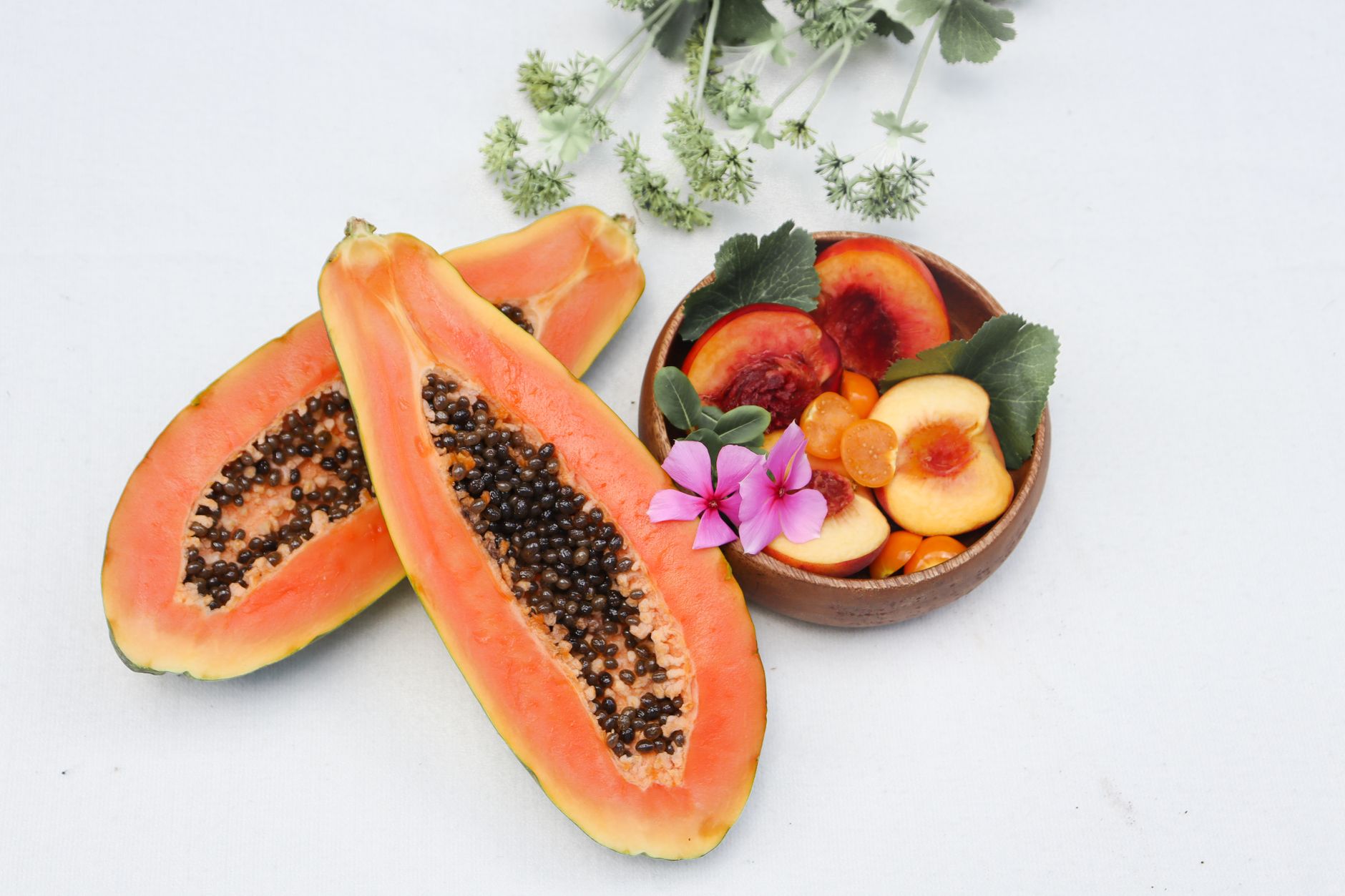
Tart cherries are one of the standout anti-inflammatory foods summer has to offer, and they deserve far more attention than they typically get. Unlike their sweeter cousins, Montmorency tart cherries contain exceptionally high concentrations of anthocyanins, the pigments responsible for their deep red colour and much of their anti-inflammatory activity.
Research published in the Journal of Nutrition found that consuming tart cherry juice twice daily for 21 days significantly reduced markers of inflammation, including C-reactive protein (CRP), in older adults. A separate study from the Osteoarthritis and Cartilage journal suggested that tart cherry juice may help reduce pain and stiffness in people with mild to moderate knee osteoarthritis. These are not trivial findings for a simple fruit.
Practically, you can enjoy tart cherries fresh during their peak summer season, or look for unsweetened tart cherry juice and freeze-dried versions year-round. A typical study dose is around 240ml of juice twice daily, but even adding a handful of fresh cherries to your morning yogurt is a worthwhile start.
Tart cherries are generally safe for most adults. If you are on blood thinners or have kidney concerns, speak with your doctor before consuming large amounts regularly, as cherries contain compounds that may interact with certain medications.
2. Blueberries
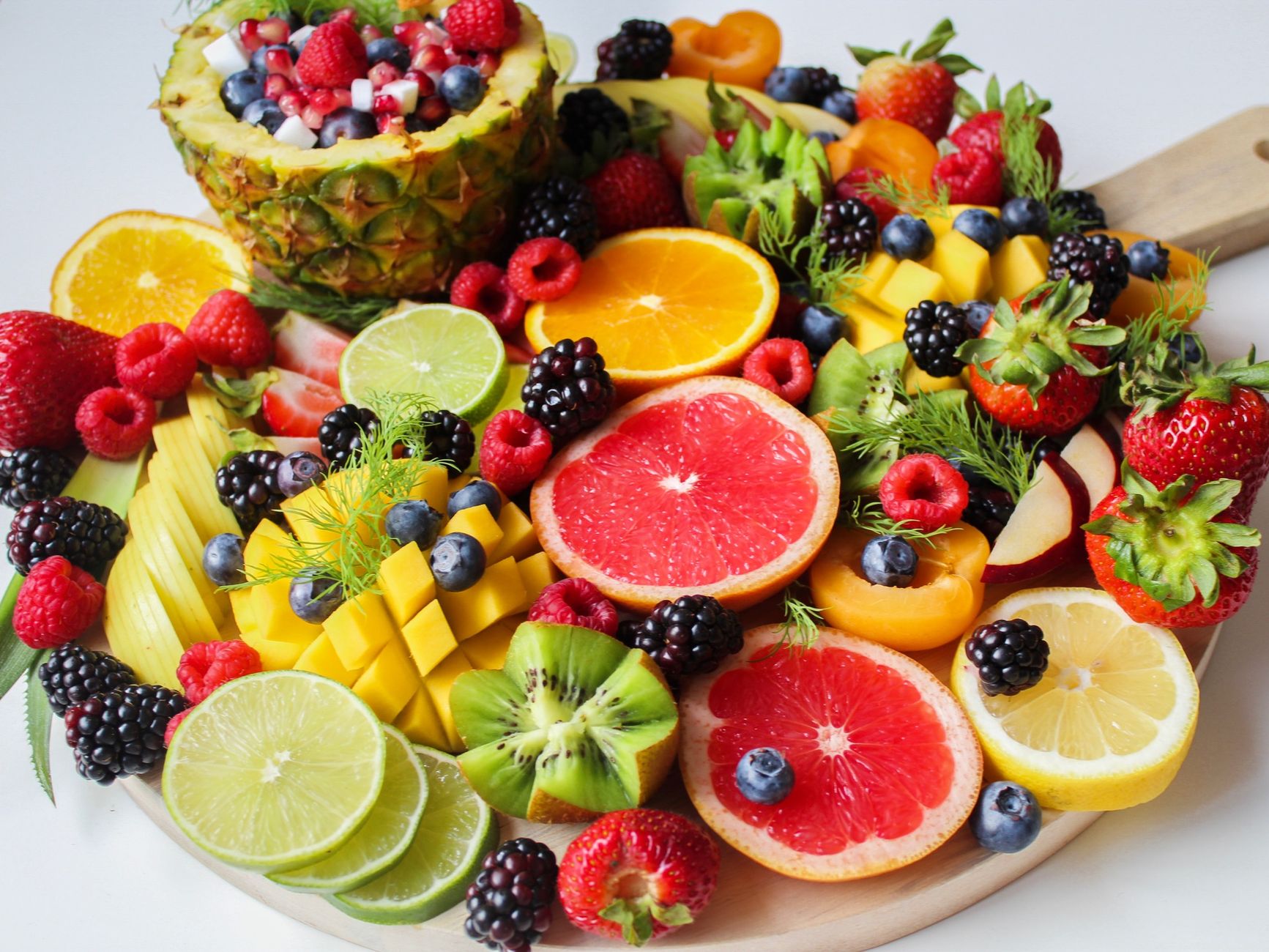
Blueberries are arguably the most researched berry when it comes to inflammation, and they are at their best during the summer months. They are rich in anthocyanins, pterostilbene and a range of other polyphenols that research suggests can help modulate the body’s inflammatory response at a cellular level.
A 2019 study published in Nutrients found that regular blueberry consumption was associated with reduced oxidative stress and lower inflammatory markers in healthy adults. Other research has pointed to benefits for brain health and cardiovascular function, both of which have inflammation as an underlying thread. You can read more about how everyday foods support your body through our guide to natural remedies for everyday health.
A serving of around 150g of fresh blueberries a day is a reasonable and realistic target. Add them to smoothies, overnight oats, or simply eat them as a snack. Frozen blueberries retain most of their polyphenol content and are a budget-friendly option when fresh berries are out of season.
Blueberries are safe for the vast majority of people. Those on warfarin or other anticoagulants should be mindful of large quantities, and anyone with a known berry allergy should obviously avoid them.
3. Watermelon
Watermelon is the quintessential summer fruit, and it turns out it is also one of the most useful anti-inflammatory foods summer routines can include. It is one of the richest dietary sources of lycopene, a carotenoid antioxidant that research links to reduced oxidative stress and lower levels of pro-inflammatory cytokines.
Studies suggest lycopene may be particularly relevant to cardiovascular and prostate health, and some research indicates it may help protect against UV-related skin damage, which is especially relevant during long summer days. Watermelon also contains L-citrulline, an amino acid that research suggests supports healthy blood flow and may help reduce muscle soreness after exercise.
One to two thick slices of fresh watermelon several times a week is a simple and enjoyable way to incorporate this food. The lycopene in watermelon is actually better absorbed when eaten with a small amount of fat, so pairing it with a few seeds or a drizzle of olive oil in a summer salad works well.
Watermelon is very well tolerated. People with irritable bowel syndrome may find large quantities trigger symptoms due to its high FODMAP content, so it is worth keeping portions moderate if that applies to you.
4. Turmeric
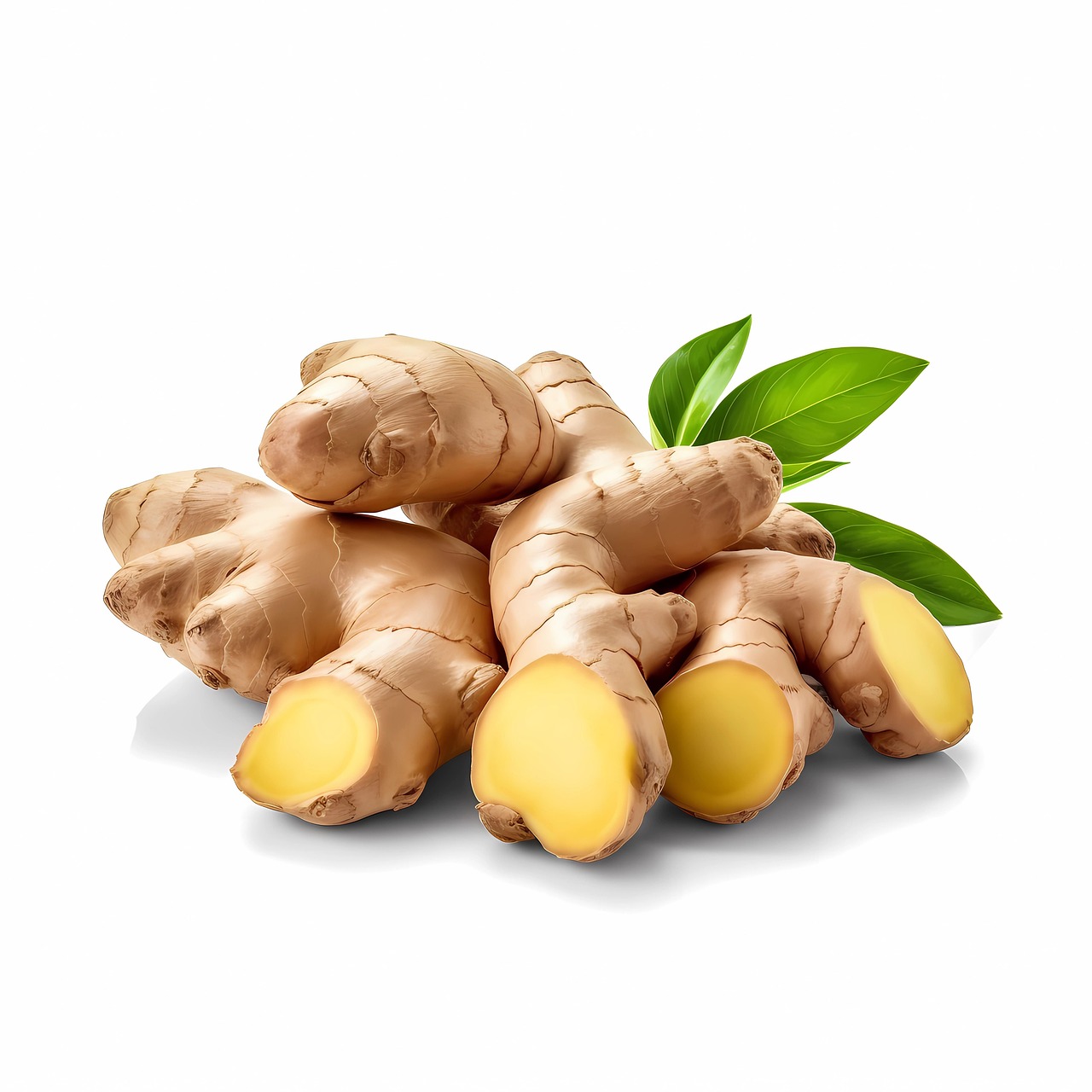
Turmeric has been used in Ayurvedic and Traditional Chinese Medicine for thousands of years, and modern research has spent considerable effort trying to understand why. The key compound is curcumin, which has been studied extensively for its ability to inhibit several inflammatory pathways in the body, including NF-kB signalling.
A meta-analysis published on PubMed involving multiple randomised controlled trials found that curcumin supplementation significantly reduced CRP and interleukin-6 levels in participants with elevated inflammation. While most of this research uses concentrated curcumin supplements, adding turmeric to your food regularly still contributes meaningful amounts of this compound.
The challenge with turmeric is bioavailability. Curcumin is poorly absorbed on its own, but combining it with black pepper (which contains piperine) increases absorption by up to 2000%, according to research. Add turmeric to summer soups, grain bowls, or golden iced milk drinks and always pair it with a pinch of black pepper and a small amount of fat.
Turmeric is generally safe in culinary amounts. High-dose curcumin supplements should be avoided during pregnancy and by people on blood thinners, antiplatelet drugs or certain diabetes medications without medical guidance.
5. Oily Fish

Oily fish such as salmon, sardines, mackerel and anchovies are among the most potent anti-inflammatory foods available, and summer is a wonderful time to enjoy them grilled outdoors or flaked into salads. They are the best dietary source of long-chain omega-3 fatty acids, specifically EPA and DHA, which have very strong evidence behind their anti-inflammatory effects.
Research consistently shows that EPA and DHA reduce the production of pro-inflammatory eicosanoids, lower triglycerides and support healthy heart rhythm. The evidence here is genuinely robust, with guidelines from organisations like the World Health Organization recommending regular oily fish consumption for cardiovascular health. These omega-3s are also excellent natural immune boosters worth knowing about.
The standard recommendation from most health bodies is at least two portions of oily fish per week, with each portion around 140g. Grilling or baking preserves the fat content better than frying. Tinned sardines and mackerel are cost-effective options with comparable nutritional value to fresh fish.
Pregnant women should follow their national guidelines on oily fish intake due to concerns about mercury in larger fish species. Those with fish allergies should avoid this category and consider discussing plant-based omega-3 sources such as algae oil with their healthcare provider.
6. Avocado
Avocado is one of the more nutrient-dense additions to any list of anti-inflammatory foods summer eating can feature, and it thrives as a salad base, dip or smoothie ingredient during warmer months. It is rich in oleic acid, the same monounsaturated fat found in olive oil, along with vitamin E, carotenoids and plant sterols, all of which have documented anti-inflammatory properties.
Research published in the Journal of Nutrition found that adding avocado to a meal significantly reduced post-meal inflammatory markers compared to meals without it. Some studies also suggest that the carotenoids in avocado are better absorbed alongside its healthy fat content, making it genuinely useful for absorbing nutrients from other foods on your plate. For more on its nutritional profile, see our article on avocado nutrition benefits.
Half to one whole avocado per day is a sensible portion for most adults. Spread it on wholegrain toast, toss it through salads or blend it into a chilled summer soup. Its versatility makes it one of the easiest anti-inflammatory foods summer cooking can accommodate.
Avocado is safe for most people but is relatively calorie-dense, so portion awareness is worthwhile if you are monitoring calorie intake. Those with a latex allergy may also experience cross-reactivity with avocado in some cases.
7. Leafy Greens
Leafy greens such as spinach, rocket, watercress and kale are consistently linked to lower levels of systemic inflammation, and they are ideal as anti-inflammatory foods summer salads and smoothies can feature heavily. They provide vitamin K, folate, magnesium and a wide array of flavonoids, several of which have shown anti-inflammatory activity in both lab and human studies.
A large prospective study published in The American Journal of Clinical Nutrition found that higher intake of green leafy vegetables was associated with significantly lower CRP levels. Vitamin K in particular plays a role in regulating inflammatory processes, and many adults fall short of adequate intake. Dark leafy greens are also valuable for their magnesium content, as low magnesium status is itself associated with elevated inflammation markers