

Does zinc actually work for colds? For treating one, probably yes. Pooled trials suggest zinc started at the first symptoms may shorten a cold by around two days, though the evidence is rated low certainty. For preventing colds it does almost nothing, and roughly one extra person in seven gets side effects such as nausea or a foul taste.
Zinc is the one cold remedy that pharmacists tend to take seriously, and it is also one of the easiest to get wrong. The form matters, the timing matters enormously, the dose used in the successful trials is far higher than most bottles suggest, and one version of it caused permanent damage to people’s sense of smell. Here is what the research supports, what it does not, and how to use zinc sensibly this winter.
Zinc for Colds at a Glance

| For treating a cold | May cut duration by roughly 2 days, low certainty evidence |
| For preventing colds | Little or no effect |
| Best form | Lozenges that dissolve in the mouth, acetate or gluconate |
| Timing | Within 24 hours of the first symptom, then every few hours while awake |
| Trial dose | About 75 to 90 mg of elemental zinc a day, short term only |
| Never | Zinc nasal sprays or gels, linked to permanent loss of smell |
What the Evidence Says
The most recent and most thorough look at this is the 2024 Cochrane review, which pooled 34 studies covering 8,526 people. It splits neatly into two findings that point in opposite directions.
Treatment: a real but shaky benefit
When zinc was used to treat a cold already underway, it reduced the average duration by 2.37 days (95% confidence interval 0.53 to 4.21 days). That is a meaningful chunk of a week-long cold. The caveats are equally real: Cochrane rated this low certainty, and the studies disagreed wildly with each other, so the true effect could be considerably smaller than two days.
A 2021 rapid review in BMJ Open reached a similar place: in adults unlikely to be zinc deficient, there was some evidence zinc might shorten illness and ease symptoms, with the certainty limited by bias and small samples.
Prevention: not worth taking it for
Taking zinc daily in the hope of dodging colds did not hold up. Cochrane found little or no reduction in the proportion of people who caught a cold (risk ratio 0.93, confidence interval 0.85 to 1.01), and when colds did happen in that group, no clear difference in how long they lasted. If your plan is a daily zinc tablet all winter to stay well, the evidence does not back it.
Side effects are common enough to matter
Cochrane found non-serious adverse events were significantly more common on zinc (risk ratio 1.34). The BMJ Open review put a number on it: roughly one extra person in every seven experienced something unpleasant, mostly nausea or irritation of the mouth and nose. No serious adverse events were reported across the 25 trials that monitored for them, so this is a question of tolerability rather than danger.
How Zinc Works Against a Cold
Most colds are caused by rhinoviruses, which get in through the lining of the nose and throat. The leading explanation for why lozenges might help is that zinc ions released in the mouth and throat interfere with the virus locally, both by blocking the way rhinovirus attaches to cells and by disrupting the way new viral particles are assembled. Zinc also appears to dampen some of the inflammatory signalling that produces the sore throat and blocked nose you actually feel.
That local action explains the pattern in the research better than anything else. It explains why lozenges outperform swallowed capsules, why the dose has to be high enough to release free zinc ions rather than keeping them bound up, and why starting late does so little. By day three the infection is established well beyond the throat, and there is no longer much for a lozenge to interrupt.
Zinc is also genuinely needed by the immune system in the ordinary sense. It is required for the development and function of T cells and natural killer cells, which is why real deficiency leaves people more prone to infection. That is a separate issue from treating a cold, and it is the reason the prevention findings and the treatment findings can both be true at once.
Form, Dose and Timing
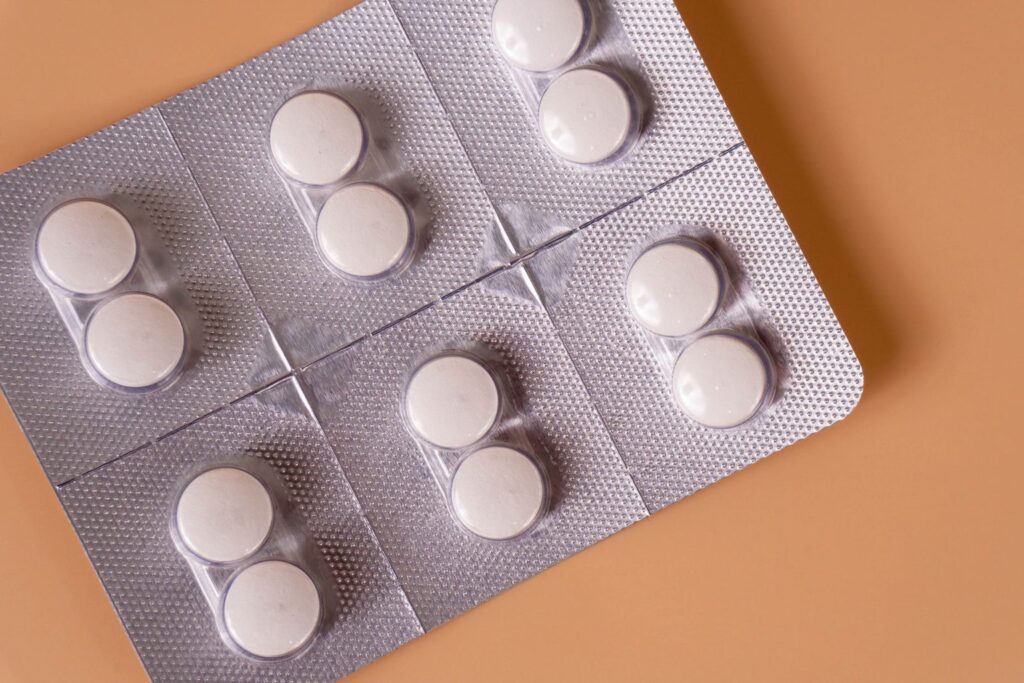
Three details separate the trials that found a benefit from the ones that did not.
- Lozenges, not swallowed pills. Almost all the positive research used lozenges dissolved slowly in the mouth, which bathes the throat in zinc ions. A capsule you swallow bypasses that entirely.
- Start within 24 hours. Every protocol began at the first tickle. Starting on day three is the single most common reason people conclude zinc did nothing.
- The dose is higher than you think. A meta-analysis of lozenge trials found doses of 80 to 92 mg of elemental zinc a day shortened colds by about 33%, and, importantly, found no evidence that going above 100 mg a day works any better. It also found zinc gluconate performed comparably to zinc acetate, so a well made gluconate lozenge is fine.
Practically, that means a lozenge every two to three hours while awake, starting the day symptoms appear, and stopping once the cold has passed. Do not swallow the lozenge whole and do not chew it. Let it dissolve over several minutes so the zinc is released where it is meant to act.
Read the label for elemental zinc, which is the number that counts. A lozenge listing “zinc gluconate 100 mg” is not giving you 100 mg of zinc, it is giving you roughly 14 mg. Many supermarket lozenges contain only 5 to 10 mg of elemental zinc, well below what the successful trials used, which is another quiet reason people find zinc disappointing.
One thing to keep straight: those are short-term treatment doses, well above the amount you need day to day. The recommended daily intake is about 8 mg for women and 11 mg for men, and the long-term safe upper limit is 40 mg a day. Taking 80 mg for a few days at the start of a cold is a different thing from taking it all winter.
The One Form to Avoid Completely

Zinc applied inside the nose, as a gel or spray, has been linked to permanent loss of smell. The syndrome was described in the Laryngoscope in 2006 and a later causality analysis applying the Bradford Hill criteria concluded the association was consistent with cause and effect. Laboratory work has since shown zinc gluconate is directly toxic to olfactory nerve cells.
Intranasal zinc products were pulled from the US market in 2009 after the FDA warned about them. Lozenges, which is what the good evidence is about, are not affected by this. The rule is simple: never put zinc up your nose.
Who Is Most Likely to Be Low in Zinc
Correcting an actual shortfall is worth doing on its own terms, separately from the cold question. Zinc status is difficult to measure reliably with a blood test, so it tends to be judged from diet and circumstances. The groups most often short of it are:
- Vegetarians and vegans, because plant foods provide less zinc and phytates reduce how much of it is absorbed.
- Older adults, who often eat less overall and absorb less of what they do eat.
- People with Crohn’s disease, coeliac disease or chronic diarrhoea, where absorption is impaired or losses are high.
- People who have had bariatric surgery, for much the same reason.
- Heavy drinkers, since alcohol both reduces absorption and increases how much zinc is lost in urine.
- Pregnant and breastfeeding women, whose requirements are higher.
Signs that can point to a long-standing shortfall include slow wound healing, hair thinning, loss of taste or appetite, and frequent infections. None of them is specific to zinc, so they are a reason to see a doctor rather than to self-treat.
Zinc From Food

Food will not deliver treatment doses, but it keeps your baseline healthy, which matters because genuine deficiency does impair immune function. Rough amounts per serving:
- Oysters, 6 medium: around 32 mg, far more than any other food
- Beef, 100 g cooked: about 5 to 7 mg
- Crab or lobster, 100 g: about 3 to 6 mg
- Pumpkin seeds, 30 g: about 2.2 mg
- Chickpeas or lentils, cooked cup: about 2.5 mg
- Cashews, 30 g: about 1.6 mg
- Cheddar, 30 g: about 1.2 mg
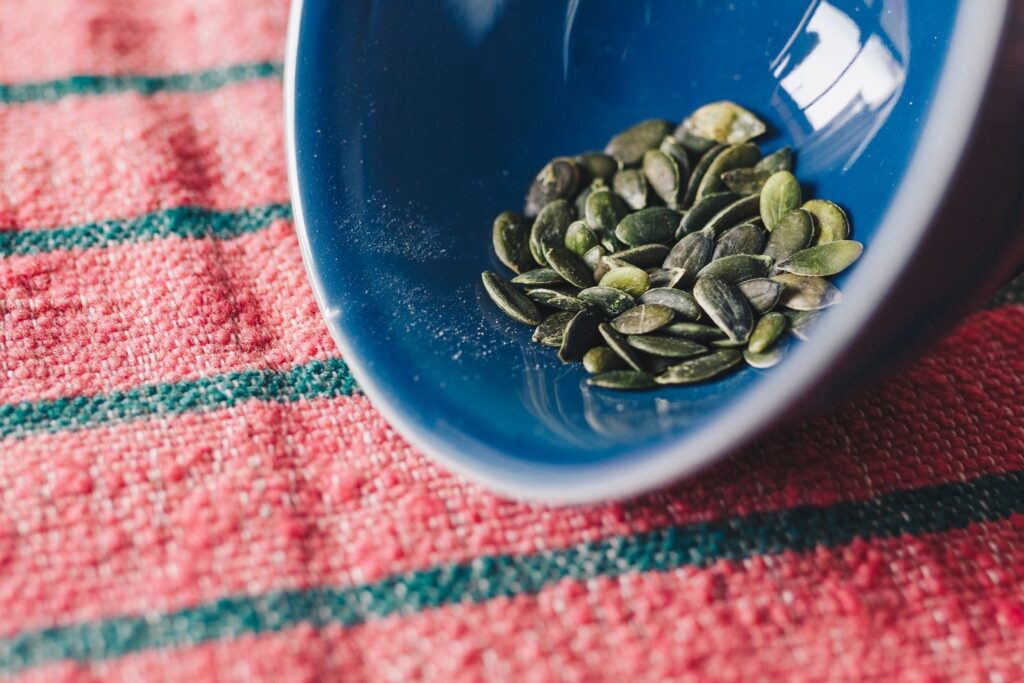
Worth knowing if you eat mostly plants: phytates in wholegrains and legumes bind zinc and reduce how much you absorb, so vegetarians and vegans may need noticeably more than the headline figure, by some estimates up to 50% more. Soaking, sprouting and fermenting all help, which is one practical argument for sourdough over ordinary bread.
Safety, and Why Long-Term High Doses Backfire
- Nausea and a metallic taste are the usual complaints, especially on an empty stomach. Lozenges taste unpleasant to most people, and that is normal rather than a sign of a bad product.
- Copper deficiency is the real long-term risk. Zinc and copper compete for absorption, so months of high-dose zinc can cause copper deficiency, which shows up as anaemia, low white cells and, in serious cases, nerve damage. A 2026 systematic review of zinc-induced haematologic toxicity catalogues these cases, and a well known CMAJ case report described reversible blood abnormalities from excessive supplementation. This is precisely why the 80 mg dose is for a few days, not a season.
- Medication interactions. Zinc reduces absorption of some antibiotics, including tetracyclines and quinolones, and of penicillamine. Separate them by at least two hours and check with a pharmacist.
- Children need lower doses and should not be given adult lozenges, which are also a choking risk. Ask a pharmacist or doctor.
- Pregnancy. Normal dietary intake is important and safe. High-dose therapeutic zinc should be cleared with your midwife or doctor.
What to Actually Do When a Cold Starts

- Day one, first symptom: start zinc lozenges if you tolerate them, roughly every two to three hours while awake, with food if they upset your stomach.
- Rinse your nose. Saline irrigation has better evidence than most cold remedies for congestion. See our guide to using a neti pot safely.
- Honey for the cough, which has the strongest evidence of any home remedy for it, especially at night. Our honey lemon tea guide covers the research and the dose.
- Rest and fluids will not shorten the cold, but dehydration makes a sore throat and headache noticeably worse, and sleep is when most of the repair happens.
- Stop after the cold clears. There is no reason to continue high-dose zinc once you are better, and good reasons not to.
- See a doctor if a fever lasts more than three days, you are short of breath or have chest pain, symptoms improve then suddenly worsen, or a cough drags past three weeks.
Frequently Asked Questions
Does zinc really shorten a cold?
Probably, by around two days on average when started within 24 hours of the first symptom, according to the 2024 Cochrane review. The certainty is low and the trials disagreed with each other, so treat it as worth trying rather than guaranteed.
How much zinc should I take for a cold?
Trials that worked used roughly 75 to 90 mg of elemental zinc a day, split into lozenges taken every few hours. There is no evidence that more than 100 mg a day helps. Use that dose only for the few days of the cold, not continuously.
Which is better, zinc acetate or zinc gluconate?
The meta-analysis comparing them found no significant difference, so a properly made gluconate lozenge is a reasonable choice. What matters more is that it is a lozenge, that you start early, and that the elemental zinc dose is high enough.
Can zinc prevent colds?
Largely no. Cochrane found little or no reduction in how many people caught colds. Taking it daily through winter for prevention is not supported, though correcting a genuine deficiency is still worthwhile for your health in general.
What are the side effects of zinc lozenges?
Mostly nausea, a bad or metallic taste, and mouth irritation. They are common, affecting roughly one extra person in seven, but not serious. No serious adverse events were reported in the trials that monitored for them.
Is it safe to take zinc every day?
At normal amounts, yes: the daily requirement is about 8 to 11 mg and the long-term upper limit is 40 mg. The high doses used to treat colds are not safe long term, because they can cause copper deficiency.
Can I use a zinc nasal spray?
No. Zinc gel and spray applied inside the nose has been linked to permanent loss of smell, and those products were withdrawn in the US in 2009. Use lozenges instead. Plain saline nasal sprays are a different thing and are perfectly safe.
Does zinc help with flu or COVID?
The evidence above is about the common cold. Reviews looking at respiratory infections more broadly found the picture much less clear, and zinc is not a treatment for influenza or COVID. Vaccination and medical advice are the right route for those.
More Cold Season Guides
- Home Remedies for Sore Throat, ranked by how good the evidence is
- Vitamin D Deficiency, the other winter supplement question
- Honey Lemon Tea, the best-evidenced thing for a night-time cough
- Steam Inhalation, what it helps and what it does not
- Natural Immune Boosters for Winter
This article is for educational purposes only and is not medical advice. Never use zinc products inside the nose. High-dose zinc is for short-term use only and can cause copper deficiency if taken for long periods. Check with a pharmacist if you take antibiotics or penicillamine, and speak to a doctor before giving zinc to a child or taking therapeutic doses in pregnancy. See our medical disclaimer.
Images by FATIHAKTAS, Etatics Inc., Gustavo Fring, Atlantic Ambience, Joao Jesus and Gundula Vogel via Pexels (free licence).