
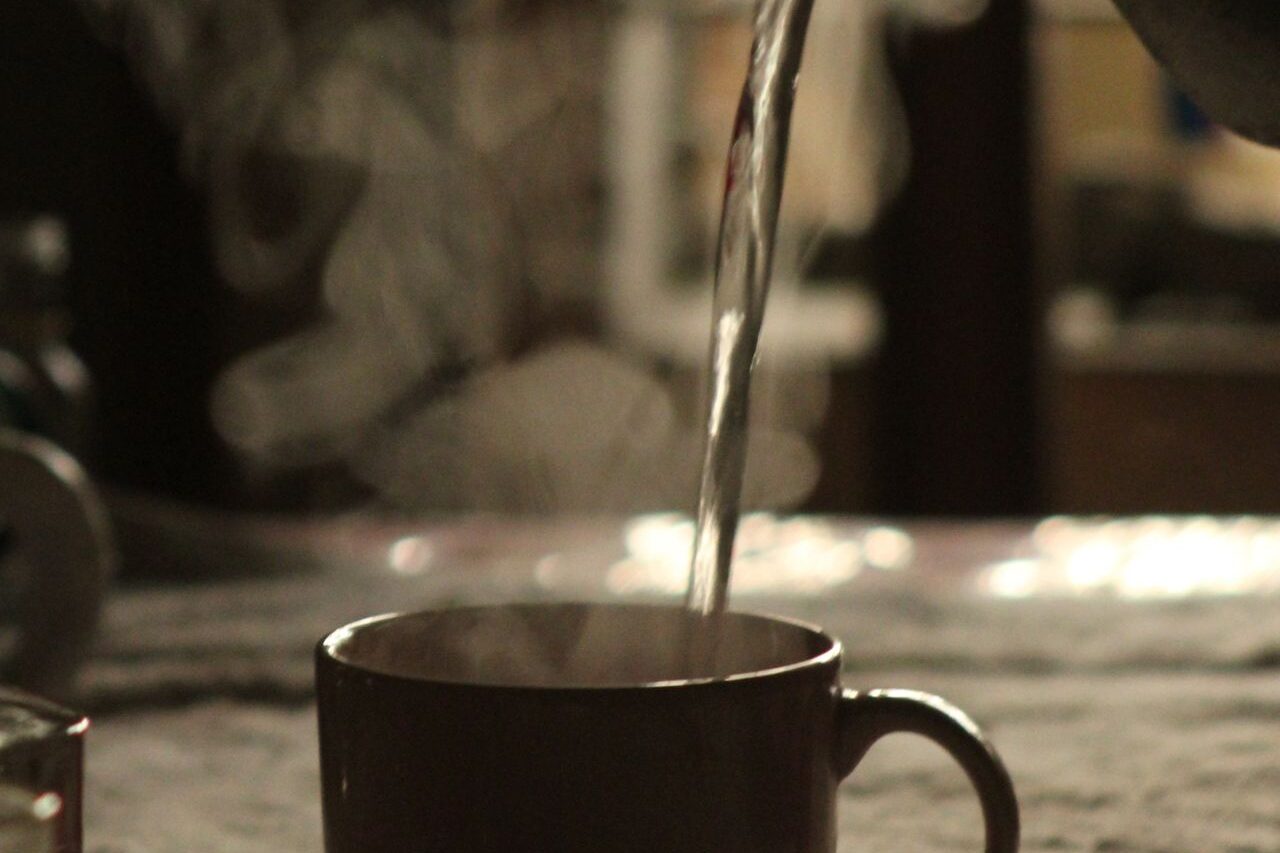
Leaning over a bowl of hot water with a towel over your head is one of the oldest cold remedies there is, and most of us were taught it by a parent or grandparent. It feels wonderful, it costs nothing, and it does loosen a blocked nose for a while. What surprises people is what the research says: steam inhalation reliably makes you feel better for a few minutes, but it doesn’t shorten a cold, it doesn’t cure sinusitis, and every year it sends people to A&E with scalds. This guide covers how to do steam inhalation safely, what it genuinely helps, what the evidence actually shows, and the alternatives that work better for a stuffy nose.
Steam Inhalation at a Glance
| What it is | Breathing warm, moist air from a bowl, a mug, a shower or a humidifier |
| Best for | Temporary relief of a blocked nose, dry airways, crusty mucus, a dry-air cough |
| Evidence | No proven effect on cold duration or severity; genuine but short-lived symptom relief; no benefit for chronic sinus symptoms in a large trial |
| Time | 5–10 minutes, up to 2–3 times a day |
| Main risk | Scalds — the commonest cause of paediatric burns from a home remedy |
| Never for | Young children leaning over hot water, anyone who can’t move away quickly, or asthma triggered by hot humid air |
What Steam Inhalation Actually Does
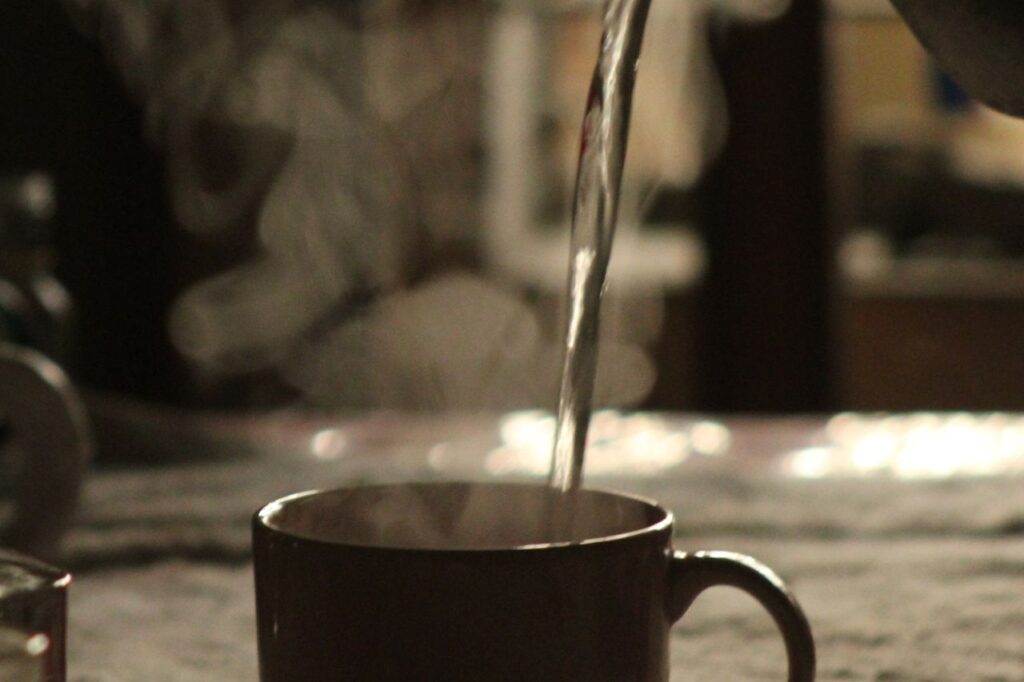
Warm humid air does three useful things. It moistens a nasal lining that’s dried out by central heating or mouth-breathing; it thins thick, sticky mucus so it drains and blows out more easily; and it soothes the raw, tickly feeling at the back of the throat that drives a dry cough. Those effects are real, and they’re why a steam session feels so good when you’re stuffed up.
What it doesn’t do is reach your sinuses in any meaningful way, kill the virus (rhinoviruses are not destroyed by the temperature of steam that reaches your nose), or shorten your illness. The relief typically lasts somewhere between a few minutes and an hour or two, which is fine — a cold remedy that buys you an hour of clear breathing before bed is still worth having, as long as you know that’s what you’re buying.
Does Steam Inhalation Work? What the Research Says
- For the common cold: no proven benefit. The 2017 Cochrane review of heated, humidified air pooled six trials in 387 people and found inconsistent results: some studies reported symptom relief, others found none, and there was no effect on how quickly people got better or on virus levels. The authors’ verdict was that the evidence does not show a benefit, and some participants reported nasal discomfort from the heat.
- For chronic or recurrent sinus symptoms: it didn’t help. A pragmatic randomised trial of 871 patients in CMAJ compared daily steam inhalation, nasal irrigation, both, or usual care in primary care. Nasal irrigation modestly improved symptoms and reduced the use of over-the-counter medicines; steam inhalation produced no significant benefit apart from slightly fewer headaches.
- For croup in children: no benefit in trials. Steam in a bathroom is traditional advice for a barking croup cough, but a Cochrane review of humidified air for croup found no significant improvement in symptom scores. Children with croup need proper medical assessment, not a kettle.
- Saline rinsing has the better evidence. A Cochrane review of saline nasal irrigation for acute upper respiratory infections found possible benefits for symptom relief with few side effects, and the CMAJ trial above pointed the same way. If you want one thing to do for a blocked nose, make it a saline rinse rather than a steam bowl.
- Menthol tricks the nose rather than opening it. Adding menthol or a vapour rub feels dramatically clearing, but as research on menthol and nasal airflow shows, it stimulates cold receptors and creates a powerful sensation of airflow without measurably increasing it. That’s not useless — feeling less blocked helps you sleep — but it isn’t decongestion.
So: a comfort measure with a long tradition and a modest, short-lived payoff. Use it because it feels nice and helps you blow your nose, not because it’s treating the infection.
How to Do Steam Inhalation Safely

5–10 minutes · once or twice a day while congested
- Pick a stable, low spot. Put a heatproof bowl on a table you can sit at comfortably, not on your lap and not on a wobbly surface. Sit down before you pour.
- Let the water cool first. Boil it, then leave it for 3–5 minutes before pouring, or pour it and wait. You want gentle steam you can hold your face above comfortably, not a scalding cloud. If it stings, it’s too hot.
- Keep your face 25–30 cm away. About a forearm’s length above the surface. Close your eyes.
- Towel over the head is optional. It concentrates the steam but also traps heat and stops you pulling away quickly. If you use one, drape it loosely and lift it every minute or two.
- Breathe slowly through your nose for 5–10 minutes, taking breaks. Blow your nose afterwards; that’s when the loosened mucus comes out.
- Dispose of the water safely. Most scalds happen when the bowl is knocked over or carried while full. Let it cool, or carry it with both hands and clear the room of pets and children first.
Safer alternatives that give the same moist air
- A hot shower. Run it hot, sit in the steamy bathroom for ten minutes. No bowl of scalding water anywhere near your face — this is the version to use for children.
- A mug of hot tea. Breathing the steam from a mug while you drink gives you warmth, hydration and moist air at once. A honey lemon tea covers all three.
- A cool-mist humidifier. Keeps bedroom air at 40–50% humidity all night with no burn risk. Clean it properly — a dirty humidifier sprays bacteria and mould into the room.
- A damp towel on the radiator is the cheap version of a humidifier and surprisingly effective in a dry, heated bedroom.
The Burn Risk Nobody Mentions
This is the part of the folk remedy that deserves more attention than it gets. A study in the British Journal of General Practice looked at children treated for burns caused by steam inhalation therapy and found these injuries were expensive to treat, often required surgery, and were entirely preventable; an earlier report in the same journal described severe scalds as an adverse side effect of the practice and called for doctors to stop recommending the bowl-and-towel method to families. Almost all of these injuries happen the same way: a bowl of just-boiled water on a lap, a table or the floor gets knocked over.
The practical takeaway isn’t “never steam” — it’s never lean a child over a bowl of boiling water, and for adults, let the water cool, sit at a table, and keep the bowl away from the edge.
Should You Add Essential Oils?
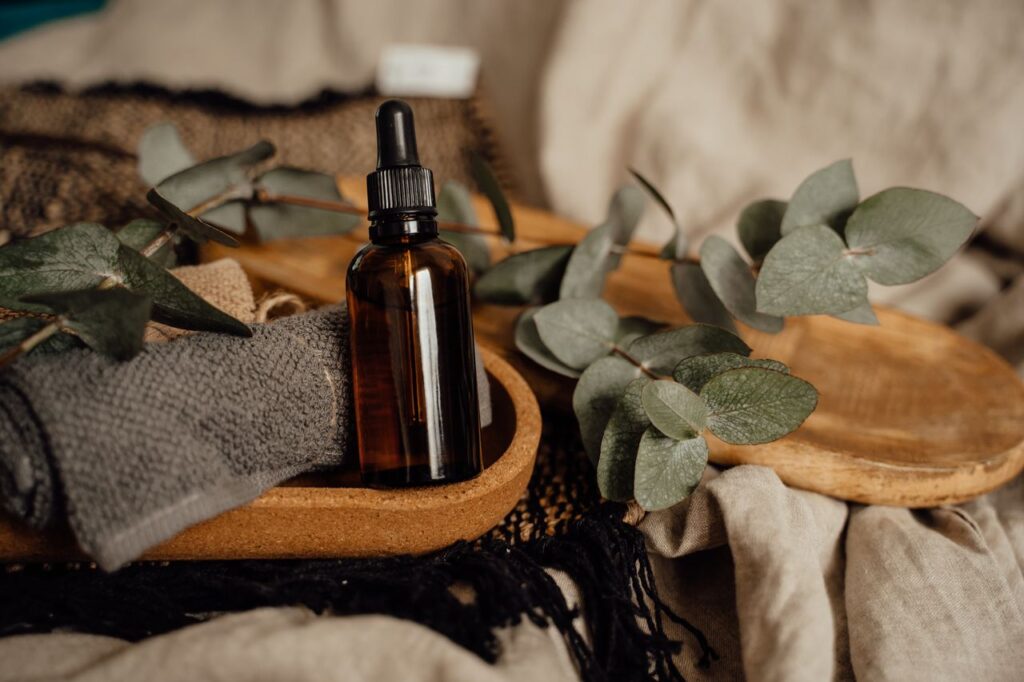
Eucalyptus, peppermint and pine are the traditional additions, and they do change the experience. Eucalyptus oil’s main component, 1,8-cineole, has been tested as a capsule in a double-blind placebo-controlled trial in acute rhinosinusitis, where it improved symptoms faster than placebo — but that was a standardised oral dose, not a few drops in a bowl. Inhaled, the main effect is the menthol-style cold-receptor sensation described above.
If you want to use them: one or two drops in the water, no more. More is not better — concentrated vapour irritates the eyes and airways and can trigger wheezing. Skip essential oils entirely if you have asthma, if you’re pregnant, and for children under six (camphor, eucalyptus and menthol products have caused seizures and breathing problems in young children). Never swallow essential oils, and never put them in a neti pot.
What Works Better for a Blocked Nose

- Saline rinsing. The one home measure with decent trial support for congestion. See our step-by-step guide to using a neti pot safely, including the water rule that matters more than anything else.
- Saline spray or drops. Less thorough than a rinse but safe, cheap and usable anywhere, including for babies.
- Sleeping propped up on an extra pillow reduces overnight congestion noticeably.
- Hydration. Thin mucus drains; thick mucus doesn’t. Warm drinks do this and relieve several cold symptoms at once.
- Decongestant sprays (oxymetazoline, xylometazoline) work fast but must not be used for more than about five days, or you get rebound congestion that’s worse than the cold.
- A spicy meal or a pinch of cayenne. Capsaicin thins mucus on contact — the reason fire cider clears your head instantly.
When to See a Doctor
- Congestion lasting more than 10 days, or symptoms that improve and then get worse again
- Facial pain or swelling, especially around one eye, or a severe headache
- Fever above 39°C (102°F), or any fever lasting more than three days
- Shortness of breath, wheezing or chest pain
- A barking cough or noisy breathing in a child (possible croup — needs assessment, not steam)
- Any burn from hot water that blisters, is larger than your palm, or involves the face
Frequently Asked Questions
Does steam inhalation help a cold?
It relieves a blocked nose temporarily and feels soothing, but the Cochrane review found no consistent evidence that it shortens a cold or reduces overall symptoms. Treat it as comfort, not treatment.
How long should you inhale steam?
Five to ten minutes at a time, once or twice a day. Longer sessions don’t add benefit and increase the chance of irritating your nose or overheating.
Can you do steam inhalation every day?
Yes, while you’re congested. There’s no reason to do it daily when you’re well, and very hot steam used repeatedly can dry and irritate the nasal lining rather than soothe it.
Is steam inhalation safe for children?
Not with a bowl of hot water. Scalds from steam inhalation are a well-documented cause of serious childhood burns. Use a steamy bathroom after a hot shower instead, and never leave a child alone with hot water.
Should the water be boiling?
No. Boil it, then let it stand a few minutes. Steam from boiling water can scald the airway and the skin of your face, and it’s no more effective than comfortably hot steam.
Can I add Vicks or eucalyptus to the bowl?
Vapour-rub products are not designed to be added to hot water and the manufacturers advise against it. If you want an aroma, use one or two drops of eucalyptus oil, and skip it altogether for asthma, pregnancy or children under six.
Does steaming your face help your skin?
It softens the outer skin layer and loosens debris in pores, which is why facials start with it. It doesn’t “open” pores — pores have no muscles — and for rosacea or sensitive skin the heat can make redness worse.
Steam inhalation or a neti pot?
For clearing congestion, the rinse wins: it has better trial evidence and physically washes mucus and allergens out. Steam is the gentler, effort-free option for comfort, and there’s no reason you can’t do both.
More Cold and Sinus Remedies
- How to Use a Neti Pot Safely — the better-evidenced way to clear a blocked nose
- Home Remedies for Sore Throat — what actually works, ranked by evidence
- Honey Lemon Tea — steam, hydration and honey in one mug
- Peppermint Tea Benefits — the menthol cup for a stuffy head
- Fire Cider Recipe — the spicy tonic that clears sinuses on contact
- Browse all home remedies
This article is for educational purposes only and is not medical advice. Steam inhalation carries a real risk of scalding, particularly for children. Consult a qualified healthcare provider for congestion lasting more than 10 days, facial pain or swelling, breathing difficulty, high fever, or a child with a barking cough. See our medical disclaimer.
Images by Jahra Tasfia Reza, Letícia Alvares, Alesia Kozik and Andrea Piacquadio via Pexels (free licence).