
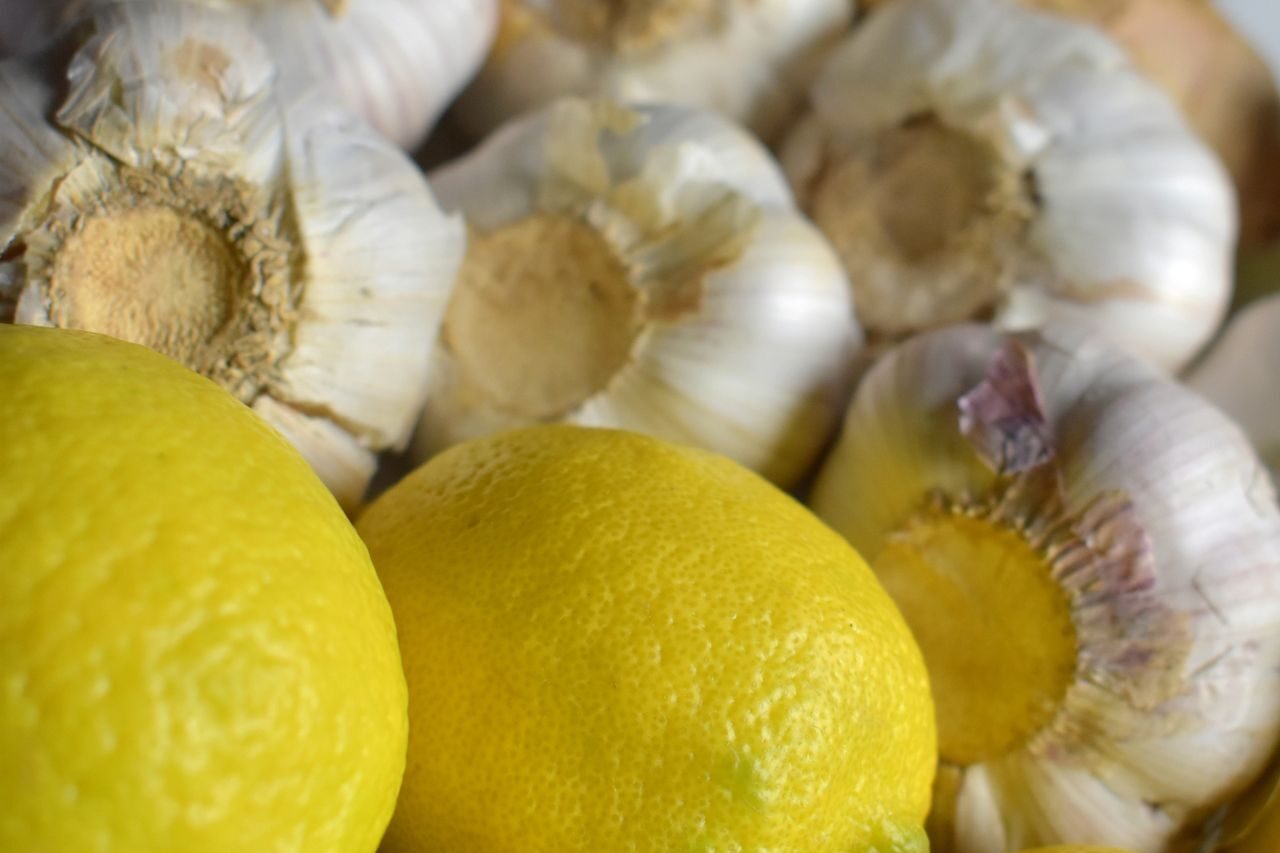
Fire cider is the herbal world’s answer to a wake-up call: a fiery, tangy tonic made by steeping horseradish, garlic, onion, ginger, hot peppers and citrus in raw apple cider vinegar for a few weeks, then sweetening it with honey. One tablespoon clears your sinuses, warms you from the inside, and, if you ask any herbalist, helps you shrug off winter bugs. This fire cider recipe walks you through the classic version, the science behind each ingredient, how to take it, and the mistakes (corroded lids, mouldy jars, scorched throats) that most guides gloss over.
Start a jar now and it will be ready right as cold and flu season begins. If you’d like a sweeter companion tonic, our elderberry syrup recipe is the perfect partner.
Fire Cider at a Glance
| Prep time | 20 minutes |
| Steeping time | 3–4 weeks (6 weeks for maximum strength) |
| Yield | About 2½ cups (20 oz) from one quart jar |
| Shelf life | 6 months in the pantry; 12+ months refrigerated |
| Cost per batch | Around $10–12 (mostly the horseradish and raw vinegar) |
| Flavour | Hot, sour, pungent, slightly sweet: think spicy pickle brine with a honey finish |
What Is Fire Cider?
Fire cider is a vinegar-based herbal extract, technically an oxymel once the honey goes in. The recipe was popularised in the late 1970s by American herbalist Rosemary Gladstar, who taught it to students as an easy, food-grade way to combine the pantry’s most pungent plants. Every ingredient in the classic formula is a “warming” herb in traditional Western herbalism, meaning it stimulates circulation and digestion and helps loosen congestion.
Fun fact: the name was briefly trademarked by a commercial company in 2012, sparking a seven-year legal fight. In 2019 a federal court ruled that “fire cider” is a generic term that belongs to everyone, which is why you’ll now see it on shelves and in herb books everywhere. You can read the story at Free Fire Cider.
Fire Cider Ingredients (and Why Each One Is There)
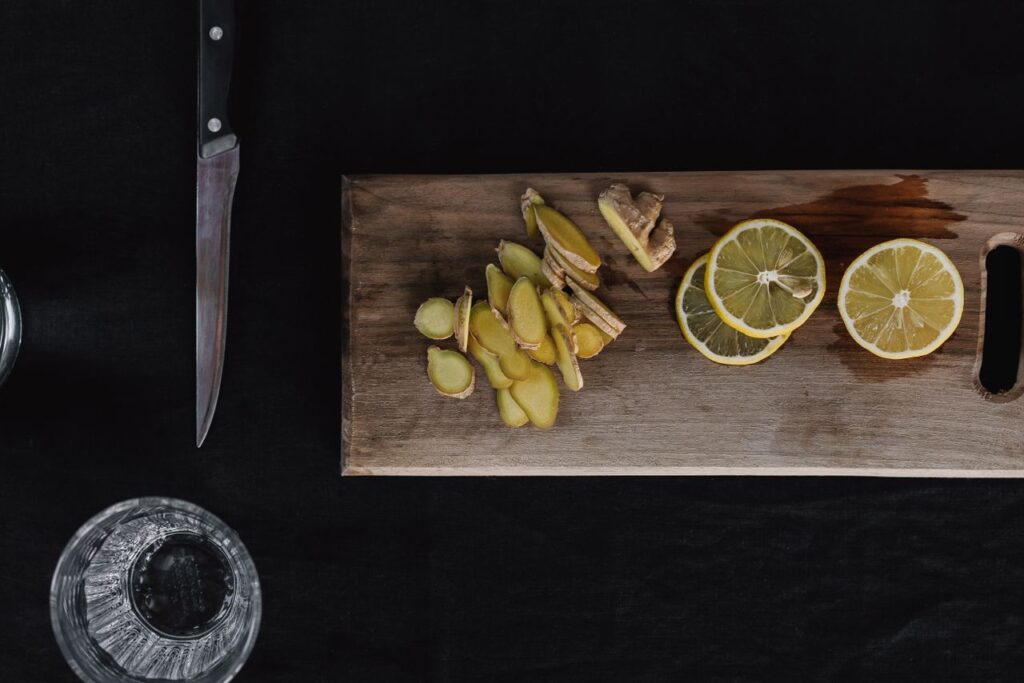
For one wide-mouth quart (1 litre) jar:
- ½ cup fresh horseradish root, peeled and grated — the “fire.” Its mustard-oil compounds (allyl isothiocyanate) are what make your eyes water and your sinuses open.
- ½ cup onion, finely chopped (about half a medium onion) — rich in quercetin and sulfur compounds.
- ¼ cup fresh ginger root, grated — warming, anti-nausea and anti-inflammatory.
- ¼ cup fresh turmeric root, grated (or 1 tablespoon ground) — colour and curcumin.
- 8 cloves garlic, smashed or chopped — allicin, the best-studied antimicrobial compound in the jar.
- 1–2 fresh hot chillies, sliced (jalapeño, cayenne or habanero) or ½ teaspoon cayenne powder — capsaicin for circulation and congestion.
- 1 lemon, zest and juice (or 1 orange) — vitamin C and flavour.
- 1 teaspoon whole black peppercorns — piperine improves curcumin absorption.
- 2 sprigs fresh rosemary or thyme (optional) — aromatic, antimicrobial.
- Raw, unfiltered apple cider vinegar “with the mother”, enough to cover (about 3 cups).
- ¼ cup raw honey, stirred in after straining (more or less to taste).
Popular add-ins
Fire cider is endlessly customisable. Good additions include ¼ cup dried elderberries or rose hips, a cinnamon stick, 2 star anise, a handful of fresh parsley or oregano, a few slices of fresh burdock or astragalus root, or a tablespoon of dried echinacea. Keep the total volume of plant material at roughly half the jar so the vinegar can circulate.
How to Make Fire Cider: Step by Step
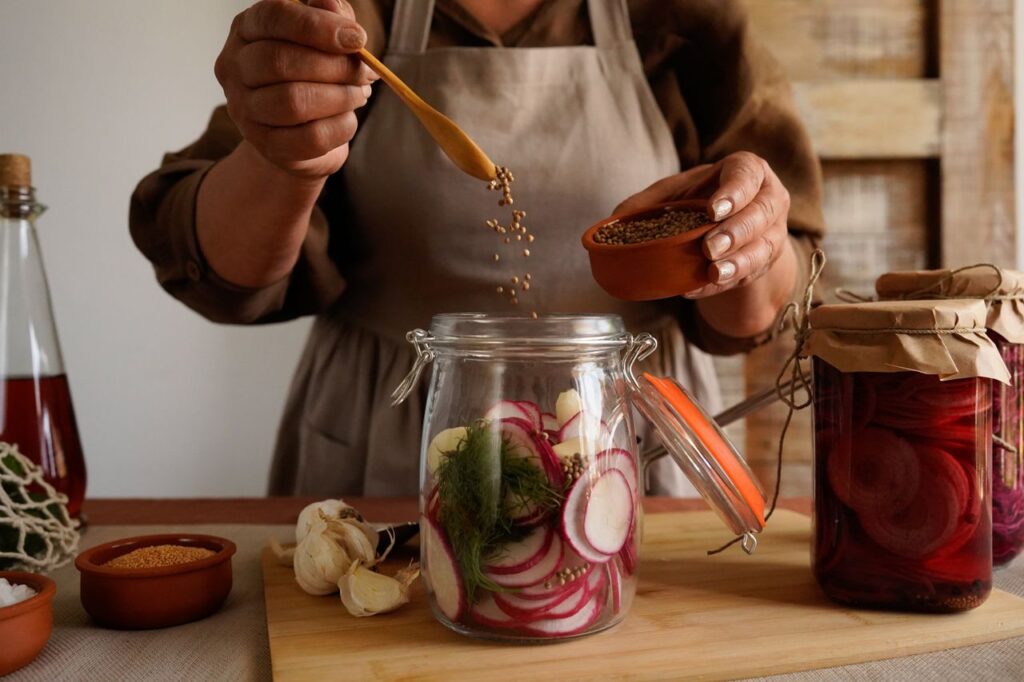
- Prep the roots. Scrub and peel the horseradish, ginger and turmeric, then grate them on a box grater or pulse in a food processor. Work near an open window: fresh horseradish is stronger than any onion. Wear gloves for the turmeric unless you like yellow fingers for a week.
- Chop the rest. Finely chop the onion, smash the garlic, slice the chillies (seeds in for more heat), and zest and juice the lemon.
- Pack the jar. Layer everything into a clean quart jar. It should be about half to two-thirds full, loosely packed.
- Cover with vinegar. Pour in raw apple cider vinegar until the ingredients are submerged by at least an inch. Press down with a spoon and top up: anything floating above the vinegar can mould.
- Seal with a non-metal lid. Vinegar corrodes metal canning lids and can leach a metallic taste. Use a plastic storage lid, a glass swing-top jar, or lay a square of parchment or wax paper between the jar and a metal lid.
- Steep for 3–4 weeks. Store the jar in a cupboard or on the counter out of direct sun and give it a good shake once a day (or whenever you remember). Label it with the date.
- Strain. Pour through a fine-mesh sieve lined with cheesecloth into a bowl. Gather the cloth and squeeze hard; the pulp holds a lot of liquid. Compost the pulp or see the ideas below.
- Sweeten. Stir in ¼ cup raw honey (or more) until dissolved. Taste: it should be hot, sour and just sweet enough to be drinkable. Bottle in glass, label, and store.
In a hurry? The 3-day quick method
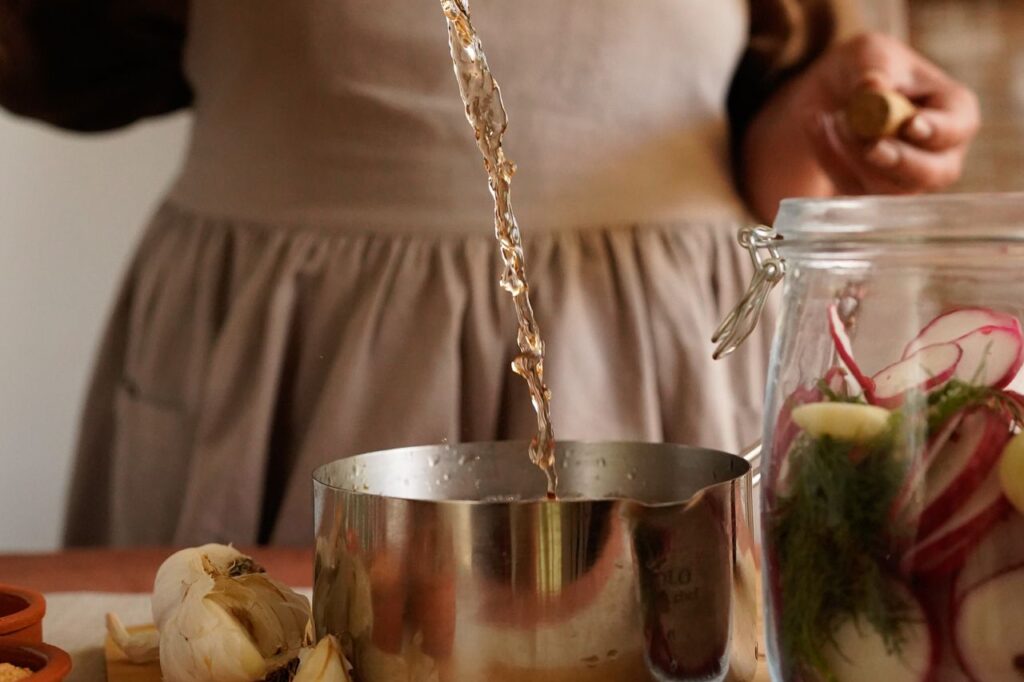
Gently warm the vinegar to about 120°F (50°C), never boiling, pour it over the ingredients, seal, and steep for 3 days at room temperature, shaking often. It won’t be as deep as a four-week batch, but it’s far better than nothing when a cold is already knocking.
How to Take Fire Cider
| Purpose | Amount | How |
|---|---|---|
| Daily maintenance (autumn–winter) | 1 tablespoon (15 ml) once a day | Straight as a shot, or diluted in ½ cup warm water |
| First sign of a cold | 1 tablespoon every 3–4 hours (up to 4 times a day) | Diluted in warm water with extra honey to soothe the throat |
| Sinus congestion | 1–2 teaspoons | Sip slowly and breathe through the nose as the horseradish opens things up |
| Children 6+ | ½–1 teaspoon | Well diluted in juice or water; ask your paediatrician first |
Because it’s so acidic, sip fire cider through a straw or rinse your mouth with plain water afterwards to protect tooth enamel, and don’t take it on a completely empty stomach if you’re prone to heartburn. Beyond the daily shot, it makes an outstanding salad dressing (mix with olive oil), marinade, or splash for soups and stir-fries, and a teaspoon in hot water with honey is a genuinely good “hot toddy” without the whisky.
Storage and Shelf Life
- Pantry: vinegar is a preservative, so strained fire cider keeps for at least 6 months in a cool, dark cupboard.
- Refrigerator: 12 months or more, and most people prefer the taste chilled.
- Signs it’s off: fuzzy mould, a rotten (rather than pungent) smell, or a slimy texture. A cloudy haze or a jelly-like disc floating on top is just the vinegar “mother” and is harmless.
- Leftover pulp: blend it into hummus, stir a spoonful into soup, mix with mayo for a punchy sandwich spread, or dehydrate and grind it into a spicy seasoning salt.
Does Fire Cider Work? What the Evidence Says
Nobody has run a clinical trial on fire cider itself, so any claims apply to the ingredients, not the tonic. Here’s an honest summary:
- Garlic: a Cochrane review found only one trial good enough to include; in it, people taking garlic daily for 12 weeks caught fewer colds (24 versus 65 in the placebo group). Promising, but a single study. The NIH calls the evidence insufficient.
- Apple cider vinegar: a 2021 meta-analysis found modest improvements in fasting blood sugar and cholesterol with daily vinegar, but there’s no evidence it prevents infections.
- Horseradish and mustard oils: allyl isothiocyanate has well-documented antibacterial activity in the lab, and a horseradish-nasturtium combination is licensed in Germany for sinusitis and bronchitis. The immediate sinus-clearing effect is real; the long-term immune effect is unproven.
- Ginger, turmeric and capsaicin: all have anti-inflammatory activity in human studies, mostly for pain and nausea rather than colds. See the NIH turmeric summary for a balanced view.
Our take: fire cider is a delicious, low-risk way to eat more garlic, ginger, onion and chilli through the winter, and it noticeably clears a stuffy head. Treat it as one part of a routine that includes sleep, hydration and the immune-boosting habits that have stronger evidence behind them.
Safety and Who Should Skip It
- Acid reflux, gastritis or ulcers: fire cider is strongly acidic and spicy and can make symptoms worse. Dilute heavily or choose a gentler remedy such as fermented garlic honey.
- Blood thinners: garlic, ginger and turmeric all have mild anticoagulant effects. Talk to your doctor if you take warfarin, clopidogrel or similar.
- Diabetes and blood-pressure medication: vinegar and garlic can lower blood sugar and blood pressure; monitor closely.
- Pregnancy and breastfeeding: horseradish in medicinal amounts is traditionally avoided. Leave it out or skip the tonic.
- Kids: not for babies under 1 (honey), and most children under 6 won’t tolerate the heat. Older kids can have small, diluted doses.
- Tooth enamel: dilute, use a straw, and rinse afterwards. Don’t brush immediately after taking it, as acid-softened enamel abrades more easily.
- Fire cider is not a substitute for vaccination or medical care. See a doctor for a high fever, breathing difficulty, or symptoms lasting more than 10 days.
Frequently Asked Questions
Can I make fire cider without horseradish?
Yes. It won’t have the same sinus-clearing kick, but garlic, ginger, onion and chilli still make a potent tonic. Wasabi paste (a teaspoon), extra ginger, or a tablespoon of brown mustard seeds are the closest substitutes.
Can I use dried horseradish, ginger or turmeric?
Yes: use about one-third the amount of dried root (for example 2–3 tablespoons dried horseradish instead of ½ cup fresh). Fresh gives a brighter flavour, but dried is far easier to find in winter.
Does fire cider need to be refrigerated?
No. The vinegar keeps it safe at room temperature for months. Refrigerating extends the life to a year or more and many people prefer it cold.
Do I need to “burp” the jar like a ferment?
No. Fire cider is an infusion, not a fermentation. The vinegar is too acidic for the yeasts that make fermented garlic honey fizz, so no gas builds up.
There’s a cloudy film on top. Is it mould?
A smooth, translucent, jelly-like layer is the vinegar “mother,” a harmless cellulose mat made by acetic-acid bacteria. Mould, by contrast, is fuzzy, coloured (white, green or black) and usually sits on ingredients poking above the liquid. Fuzzy means bin it.
How long does fire cider last?
At least 6 months in a cool cupboard and 12 months or more in the fridge. It slowly mellows over time, which many people prefer.
Can I use a different vinegar?
Raw apple cider vinegar is traditional and tastes best, but any vinegar of at least 5% acidity (white wine, rice or coconut vinegar) will extract and preserve the ingredients safely. Avoid distilled white vinegar unless you enjoy the taste of pickle brine.
Why is my fire cider so hot I can’t drink it?
Heat varies wildly with the chillies and horseradish you use. Dilute a tablespoon in a cup of warm water with a teaspoon of honey, or blend a milder second batch (skip the chilli seeds) and mix the two.
More Winter Tonics to Make
- Homemade Elderberry Syrup — sweet, kid-friendly and ready in an hour
- Fermented Garlic Honey — the gentle, mellow cousin of fire cider
- Honey Onion Cough Syrup — an overnight remedy for tickly coughs
- Ginger Chews — for nausea and travel sickness
- Browse all home remedies
This article is for educational purposes only and is not medical advice. Consult a qualified healthcare provider before using fire cider or any herbal remedy, especially if you are pregnant, breastfeeding, have a medical condition, or take medication. See our medical disclaimer.
Images by Irma Sjachlan, Mikhail Nilov and hello aesthe via Pexels (free licence).