
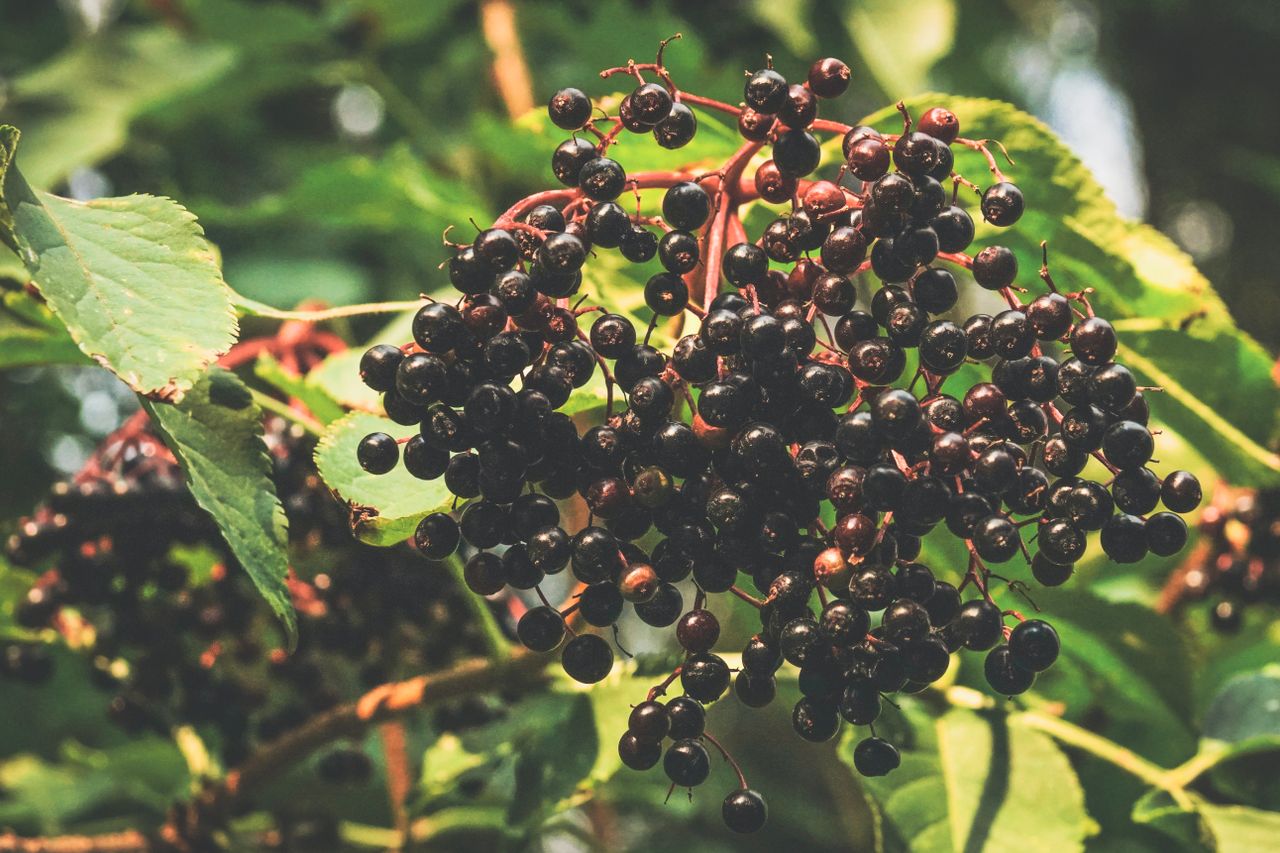
Every autumn, the same question lands in my inbox: “Is there an elderberry syrup recipe that actually works, doesn’t cost $20 a bottle, and doesn’t taste like cough medicine?” Yes. This homemade elderberry syrup takes about an hour, costs a fraction of the store-bought version, and you control exactly what goes in it: no corn syrup, no preservatives, no mystery “natural flavors.”
Below you’ll find the classic stovetop method plus Instant Pot and slow cooker versions, a fresh-vs-dried berry conversion, a dosage guide by age, storage tips, and the safety points most recipes skip. Let’s get a batch on the stove before cold and flu season arrives.
Elderberry Syrup at a Glance
| Prep time | 10 minutes |
| Cook time | 45–60 minutes (stovetop) |
| Yield | About 2 cups (16 oz) — roughly 30 adult doses |
| Shelf life | 2–3 months refrigerated; 6+ months frozen |
| Cost per batch | Around $8–10 with dried berries and raw honey |
| Difficulty | Easy — if you can make tea, you can make this |
Why Make Elderberry Syrup at Home?
Black elderberries (Sambucus nigra) are one of the most-studied berries in herbal medicine. They’re packed with anthocyanins, the deep purple pigments that give the syrup its color, plus vitamin C, quercetin and other flavonoids. Traditional European and Native American medicine has used the berries and flowers for centuries for coughs, colds and fevers.
Commercial syrups typically sell for $15–25 per 8 oz bottle. A 4 oz bag of dried elderberries (enough for two batches) costs about the same. Homemade also means you choose the sweetener, skip additives, and can adjust the spices to your taste. It’s the same reason so many readers love our fermented garlic honey and honey onion cough syrup: cheap, simple, and made from ingredients you recognise.
Ingredients
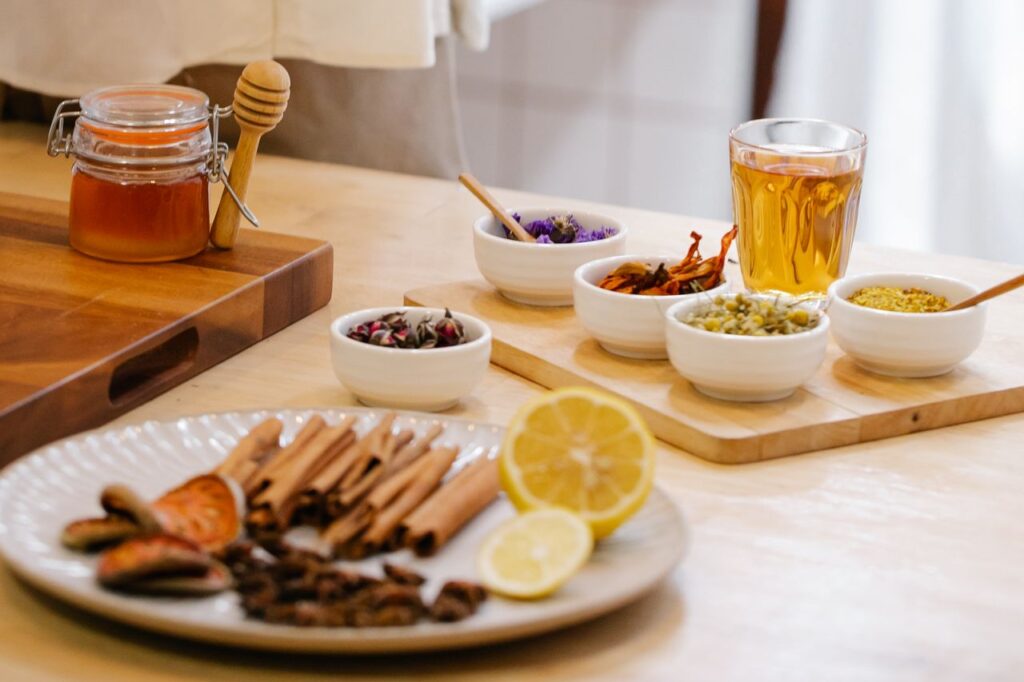
- ⅔ cup dried black elderberries (about 2 oz / 60 g) — or 1⅓ cups fresh or frozen berries, stems removed
- 3½ cups filtered water
- 2 tablespoons fresh ginger, grated or thinly sliced (or 1 teaspoon ground)
- 1 cinnamon stick (or 1 teaspoon ground cinnamon)
- ½ teaspoon whole cloves (or ¼ teaspoon ground)
- 1 cup raw honey (see notes for vegan and infant-safe swaps)
- Optional: 1 whole star anise, 1 tablespoon dried rose hips, or 1 teaspoon dried echinacea root for extra immune support
Ingredient notes and substitutions
- Buy organic dried elderberries from a reputable herb supplier. They should be dark purple-black, wrinkled, and smell faintly fruity. Avoid anything with a musty odour or visible stems.
- Raw honey vs. regular: raw honey keeps more of its enzymes and antimicrobial compounds, which is why we add it only after the liquid has cooled below 110°F (43°C). Pasteurised honey works fine if that’s what you have.
- Vegan or for babies under 1 year: swap the honey for pure maple syrup (use ¾ cup). Honey must never be given to infants under 12 months because of the risk of botulism.
- Fresh ginger gives a brighter, spicier syrup than ground. If you like ginger, you’ll also like our guide to ginger chews.
How to Make Elderberry Syrup (Stovetop Method)
- Combine. Add the elderberries, water, ginger, cinnamon and cloves (plus any optional herbs) to a medium saucepan. Don’t add the honey yet.
- Bring to a boil, then reduce the heat to a gentle simmer. Leave the lid off or slightly ajar.
- Simmer for 45–60 minutes, until the liquid has reduced by about half. You’re looking for roughly 1¾ cups of dark, fragrant liquid. Stir occasionally and give the berries a gentle press with the back of a spoon in the last 10 minutes.
- Cool for 10–15 minutes, then strain through a fine-mesh sieve lined with cheesecloth into a bowl or large measuring jug. Squeeze the cheesecloth to get every drop; the berries hold a surprising amount of liquid.
- Add the honey once the liquid is warm but not hot (comfortable to touch, under 110°F). Stir until fully dissolved.
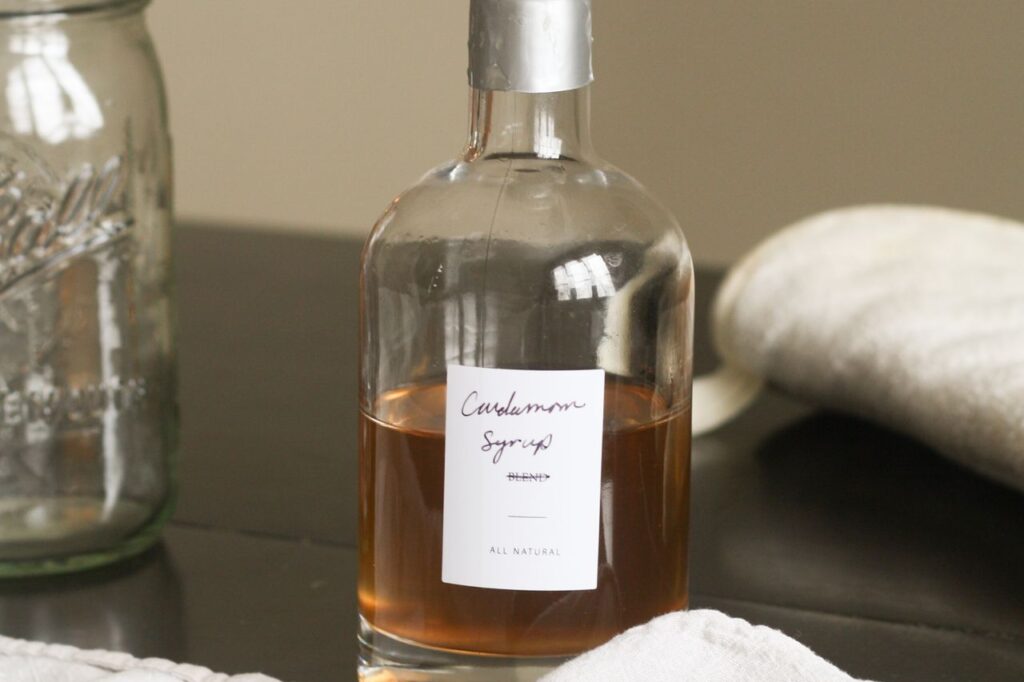
- Bottle. Pour into a clean glass jar or swing-top bottle, label with the date, and refrigerate.
Tip: Don’t throw away the strained berries. Stir a spoonful into oatmeal, blend them into a smoothie, or simmer them once more with a cup of water for a lighter “second batch” tea.
Instant Pot Elderberry Syrup
Pressure cooking cuts the hands-on time to almost nothing and produces a slightly richer, more concentrated flavour.
- Add the berries, spices and 3 cups of water (a little less than the stovetop version, since there’s no evaporation) to the Instant Pot.
- Seal the lid, set the valve to “Sealing,” and cook on Manual/Pressure Cook, High, for 9 minutes.
- Let the pressure release naturally for 10–15 minutes, then quick-release the rest.
- Strain, cool to lukewarm, stir in the honey and bottle as above.
Slow Cooker Elderberry Syrup
Perfect if you want to make a double batch, or simply set it and forget it while you work.
- Add the berries, spices and water to the slow cooker.
- Cook on Low for 4–5 hours or High for 2–3 hours, with the lid slightly ajar for the last hour so the liquid reduces.
- Strain, cool, sweeten and bottle.
Fresh vs. Dried Elderberries: Conversion Chart
| Berry type | Amount for this recipe | Water | Notes |
|---|---|---|---|
| Dried | ⅔ cup (2 oz / 60 g) | 3½ cups | Most reliable; available year-round |
| Fresh | 1⅓ cups, de-stemmed | 2½ cups | Only fully ripe, black berries; never red or green |
| Frozen | 1⅓ cups | 2½ cups | No need to thaw; add 5 minutes to the simmer |
Dried berries are about three times more concentrated by volume than fresh, which is why the recipe calls for a third as much. To strip fresh berries from their stems quickly, freeze the whole clusters for an hour and then rub them off with a fork.
How to Take Elderberry Syrup (Dosage by Age)
| Age | Daily maintenance dose | When sick |
|---|---|---|
| Adults and teens | 1 tablespoon (15 ml) once daily | 1 tablespoon every 3–4 hours, up to 4 times a day |
| Children 4–12 | 1 teaspoon (5 ml) once daily | 1 teaspoon every 3–4 hours, up to 4 times a day |
| Children 1–3 | ½ teaspoon once daily | ½ teaspoon up to 3 times a day |
| Under 12 months | Not recommended (honey risk, and no safety data). Use the maple-syrup version only after checking with your paediatrician. | |
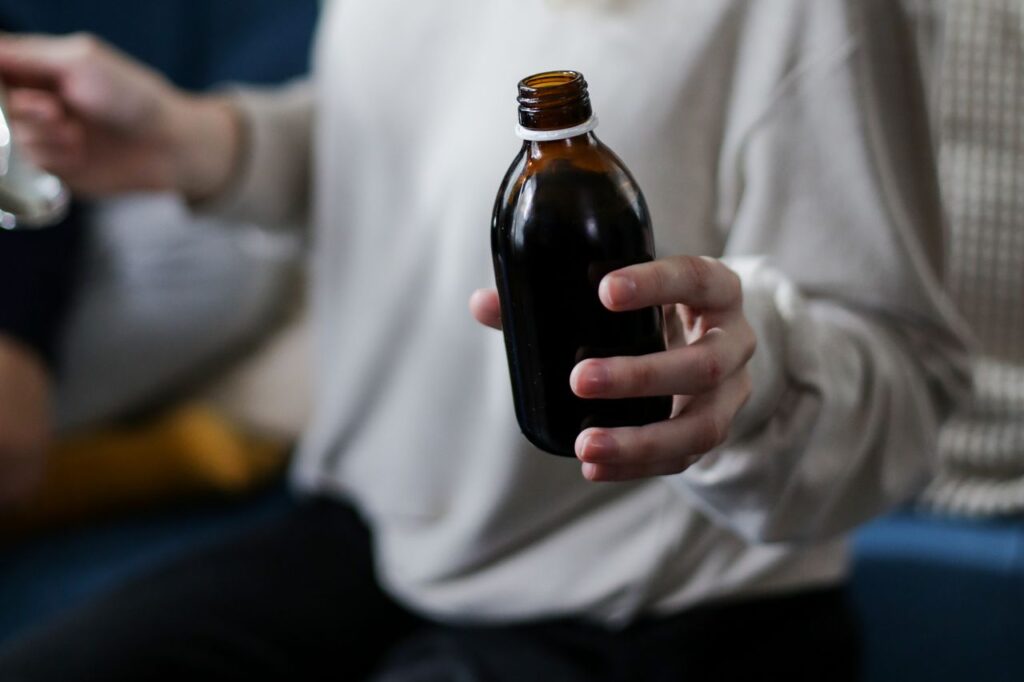
Take it straight from the spoon, stir it into warm (not boiling) water or herbal tea, drizzle it over yoghurt or pancakes, or mix a tablespoon into sparkling water for a homemade “immunity soda.” Many families take a daily dose from October through March and pause for a week or two every couple of months.
Storage and Shelf Life
- Refrigerator: 2–3 months in a sealed glass container. The honey acts as a natural preservative. Discard if you see mould, fizzing or an off smell.
- Freezer: pour into silicone ice-cube trays, freeze, then transfer to a bag. Each cube is roughly one tablespoon, and they keep for at least 6 months. Thaw a cube in warm tea.
- Longer fridge life: add ¼ cup of brandy or vodka per batch (adults only) to extend it to 6 months, or make a smaller batch more often.
- Don’t water-bath can it unless you use a tested, acidified recipe. Honey and low acidity make plain syrup unsafe for shelf storage.
Tasty Variations
- Citrus: add the zest of one orange or lemon to the simmer, and a squeeze of juice at the end for extra vitamin C.
- Elderberry and garlic honey: replace ¼ cup of the honey with strained fermented garlic honey for a savoury, potent winter tonic.
- Extra warming: add 3 cardamom pods and a pinch of black pepper.
- Elderberry gummies: warm 1 cup of finished syrup with 3 tablespoons of gelatin, pour into moulds and chill. Kids love these.
- Sugar-free: use ½ cup of vegetable glycerine instead of honey and keep the syrup for no more than 4 weeks.
Safety: What Every Elderberry Recipe Should Tell You
- Always cook elderberries. Raw or under-ripe berries, and all leaves, stems, bark and roots, contain cyanogenic glycosides that can cause nausea, vomiting and diarrhoea. Simmering for at least 30 minutes breaks these compounds down. A well-documented 1983 CDC report describes a group who became ill after drinking juice pressed from raw berries, leaves and branches.
- Only use black or blue elderberries (Sambucus nigra, S. canadensis, S. cerulea). Red elderberries (S. racemosa) are considered toxic and should be avoided.
- No honey for babies under 1 year. The CDC warns that honey can contain spores that cause infant botulism.
- Autoimmune conditions and medications: elderberry may stimulate the immune system, so people with autoimmune diseases, transplant recipients, and anyone on immunosuppressants, diuretics or diabetes medication should talk to their doctor first.
- Pregnancy and breastfeeding: there isn’t enough safety data. Skip it unless your healthcare provider says otherwise.
- Elderberry syrup is a complement to, not a replacement for, the flu vaccine and proper medical care. Seek help for a high fever, trouble breathing, or symptoms that last more than 10 days.
Does Elderberry Syrup Actually Work? What the Research Says
The evidence is promising but not conclusive, and it’s worth knowing both sides. A 2019 meta-analysis of four randomised trials (180 participants) found that elderberry supplementation substantially reduced the duration and severity of upper respiratory symptoms. In one of the most-cited trials, flu patients taking elderberry extract recovered about four days sooner than those taking a placebo.
On the other hand, a larger 2020 randomised trial of 87 people with confirmed influenza found no significant difference between elderberry and placebo, and the NIH’s National Center for Complementary and Integrative Health notes there’s not yet enough high-quality evidence to recommend elderberry for any health condition.
Our take: elderberry syrup is inexpensive, generally safe for healthy adults and children over one, tastes great, and has a reasonable chance of shortening a cold. It works best as one layer of a broader routine that includes sleep, hydration and the natural immune boosters we cover in our winter guide.
Frequently Asked Questions
How long does homemade elderberry syrup last?
Two to three months in the refrigerator in a sealed glass jar, or six months or more frozen in ice-cube trays. Adding ¼ cup of brandy per batch extends the fridge life to about six months.
Can I use fresh elderberries instead of dried?
Yes. Use double the volume of fresh, fully ripe black berries (1⅓ cups for this recipe) and reduce the water to 2½ cups. Remove every stem, as stems and leaves are toxic even when cooked.
Why can’t I add the honey while it’s cooking?
Heat above about 110°F (43°C) destroys many of the enzymes and delicate compounds in raw honey. Adding it to the cooled liquid preserves those benefits and keeps the syrup from tasting caramelised.
Is elderberry syrup safe for kids?
Cooked elderberry syrup is widely used for children over one year old at half the adult dose (see the table above). Never give honey-based syrup to a baby under 12 months. Check with your paediatrician if your child has a chronic condition or takes medication.
Can I make it without honey?
Absolutely. Pure maple syrup (¾ cup) is the best swap for flavour and shelf life. Agave, coconut nectar or vegetable glycerine also work; glycerine-based syrup should be used within about four weeks.
Can I take elderberry syrup every day?
Most people take a daily maintenance dose through the colder months without problems. Some herbalists suggest taking a one- or two-week break every couple of months. Anyone with an autoimmune condition should ask their doctor before daily use.
My syrup is thin. How do I thicken it?
Homemade elderberry syrup is naturally thinner than commercial versions, which often add pectin or starch. For a thicker syrup, simmer the strained liquid a further 10–15 minutes before adding honey, or increase the honey to 1¼ cups.
Where can I buy dried elderberries?
Health-food stores, herb suppliers such as Mountain Rose Herbs or Frontier Co-op, and most online marketplaces. Look for organic, whole dried Sambucus nigra berries with a recent harvest date.
More Winter Remedies to Try
- Honey Onion Cough Syrup — the two-ingredient overnight remedy for tickly coughs
- Fermented Garlic Honey — a month-long ferment that makes a powerful winter tonic
- 10 Natural Immune Boosters for Colds and Flu
- Browse all herbal remedies
This article is for educational purposes only and is not medical advice. Consult a qualified healthcare provider before using elderberry or any herbal remedy, especially if you are pregnant, breastfeeding, have a medical condition, or take medication. See our medical disclaimer.
Images by Susanne Jutzeler, Anna Pou, Kate L and cottonbro studio via Pexels (free licence).