

If you’re searching for natural remedies for hay fever, you’re not alone. Millions of adults worldwide deal with the sneezing, itchy eyes, runny nose and general misery that comes with seasonal allergic rhinitis every year. While antihistamines and nasal sprays have their place, many people want to support their body through allergy season with gentler, more natural approaches.
The good news is that research into plant-based and lifestyle-based interventions for hay fever has grown significantly in recent years. Some remedies have solid evidence behind them, while others are more traditionally used with promising early-stage research. I’ll be honest about both throughout this article.
This guide covers eight evidence-informed natural remedies for hay fever that are worth knowing about, along with practical advice on how to use them safely.
Quick Reference: Natural Remedies for Hay Fever at a Glance
| Remedy | Key Action | Strength of Evidence | Best Used For |
|---|---|---|---|
| Quercetin | Natural antihistamine, anti-inflammatory | Moderate | Sneezing, itchy eyes |
| Butterbur | Blocks histamine receptors | Good (comparable to cetirizine in trials) | Runny nose, sneezing |
| Local Honey | Gradual pollen exposure | Weak to moderate | Long-term prevention |
| Nettle Leaf | Inhibits histamine release | Moderate | General hay fever symptoms |
| Nasal Rinsing | Physically removes pollen | Strong | Nasal congestion, irritation |
| Ginger | Anti-inflammatory, immune-modulating | Moderate | Inflammation, sinus pressure |
| Probiotics | Regulates immune/allergy response | Growing | Reducing severity over time |
| Vitamin C | Natural antihistamine, antioxidant | Moderate | General symptom reduction |
1. Quercetin
Quercetin is a naturally occurring plant flavonoid found in foods like red onions, apples, broccoli, capers and berries. It’s one of the more interesting natural remedies for hay fever because it works similarly to how some antihistamine drugs work, by stabilising mast cells and reducing the release of histamine in the body.
Research published in journals including Molecules has noted that quercetin inhibits the release of histamine and other inflammatory mediators from mast cells and basophils. A 2020 review also highlighted its potential as a natural anti-allergy compound, noting its ability to modulate the immune response involved in allergic reactions. That said, most of the strong evidence comes from laboratory and animal studies, with human clinical trials still catching up.
To increase quercetin through diet, focus on red onions, capers, apples with skin, kale and berries. If you want a more concentrated dose during peak hay fever season, quercetin supplements are widely available, typically in doses ranging from 500mg to 1000mg per day. Look for formulations combined with bromelain, as bromelain appears to improve quercetin absorption and also has anti-inflammatory properties of its own.
Quercetin is generally considered safe at food-derived levels. High-dose supplements may interact with certain antibiotics and blood thinners, so check with your doctor if you are taking any medication. It is best avoided in high supplemental doses during pregnancy.
2. Butterbur
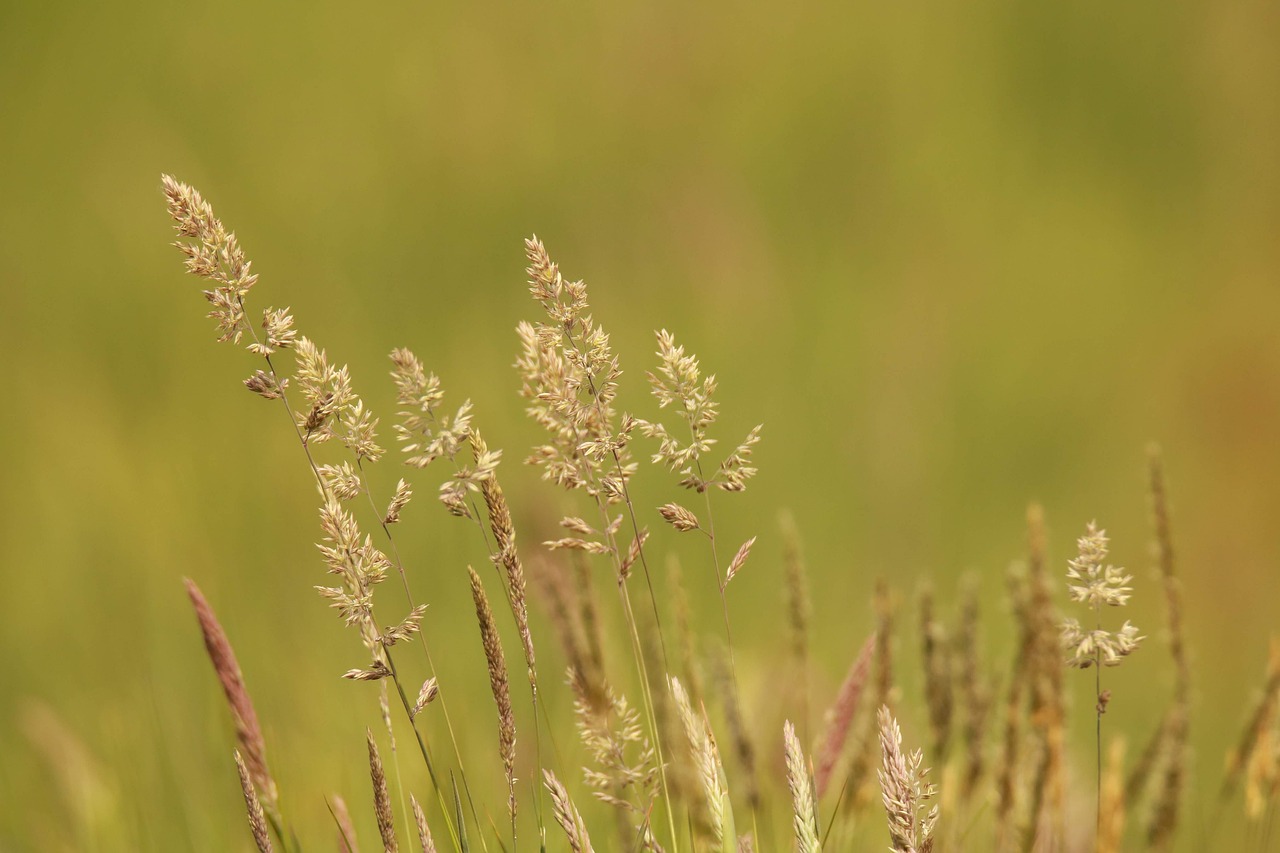
Butterbur (Petasites hybridus) is a herb that has attracted considerable scientific attention as one of the more evidence-backed natural remedies for hay fever. It contains compounds called petasins that appear to block histamine receptors and inhibit leukotrienes, both of which are involved in the allergic inflammatory response.
A well-cited randomised controlled trial published in the British Medical Journal found that a standardised butterbur extract (Ze 339) was as effective as the antihistamine cetirizine in reducing hay fever symptoms, with fewer sedating side effects. This is one of the stronger pieces of clinical evidence supporting a herbal approach to seasonal allergies. You can read more about this research on PubMed.
Butterbur is most commonly taken as a standardised extract. Look for products specifically labelled as PA-free (pyrrolizidine alkaloid-free), as raw butterbur contains naturally occurring compounds that can be toxic to the liver. A typical dose used in studies is around 8mg of petasin daily, though follow the guidance on your specific product.
People with ragweed allergies should be cautious, as butterbur belongs to the same plant family and may trigger a cross-reaction. It is not recommended during pregnancy or breastfeeding, and it should be used with caution alongside medications that affect liver enzymes.
3. Local Raw Honey
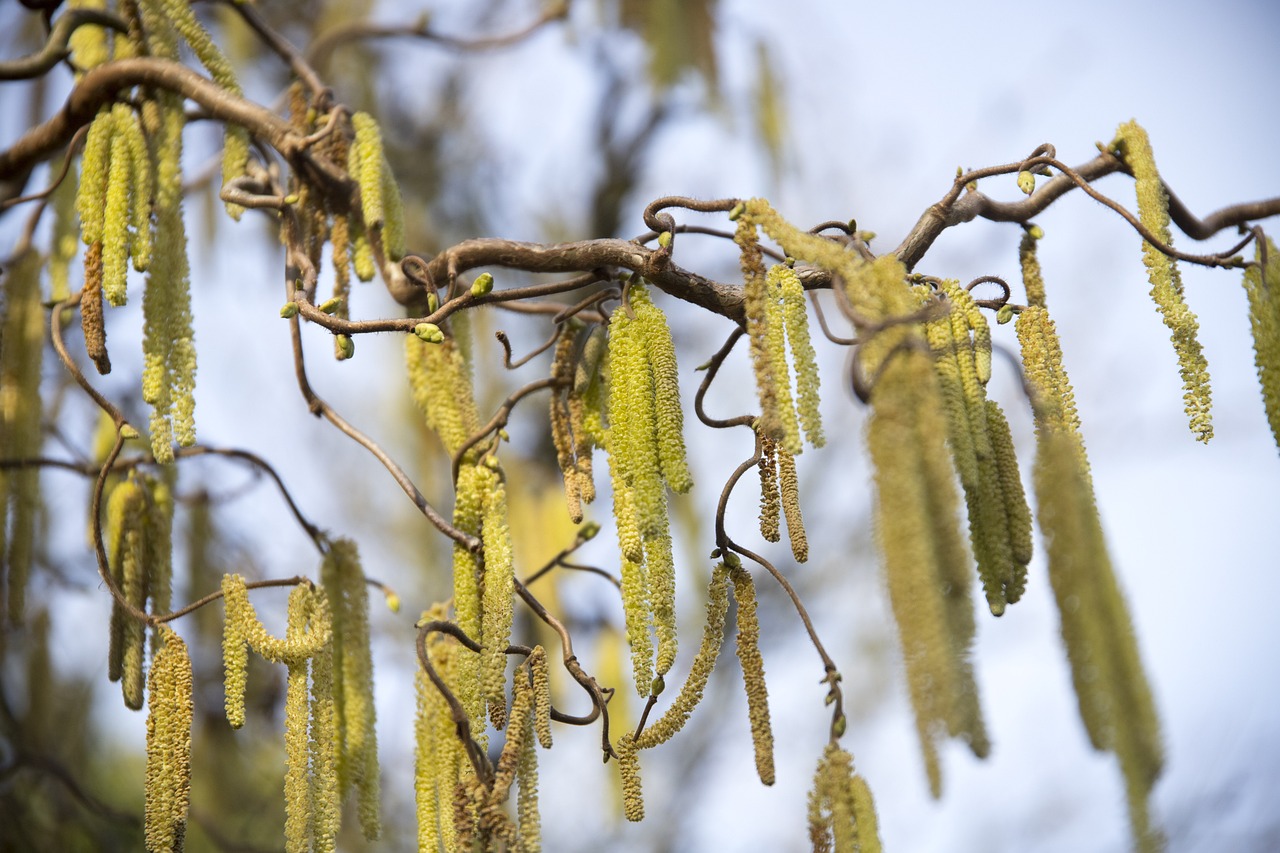
The idea behind using local honey as one of the natural remedies for hay fever is based on the concept of gradual desensitisation. Local bees collect pollen from plants in your area, and that pollen ends up in small amounts in raw honey. Consuming it regularly may theoretically help your immune system become less reactive to local pollen over time.
The evidence is genuinely mixed here. A 2013 study published in the International Archives of Allergy and Immunology found that pre-seasonal use of birch pollen honey significantly reduced hay fever symptoms in birch pollen allergy sufferers compared to regular honey or antihistamines alone. However, other studies have not found the same results, and the scientific consensus remains cautious.
If you want to try it, look for raw, unfiltered honey produced locally to you. Start well before pollen season, ideally two to three months before your usual symptoms begin. Take one to two teaspoons daily, either straight or stirred into warm (not boiling) water or herbal tea. Boiling destroys the beneficial properties.
Do not give honey to children under 12 months old due to the risk of infant botulism. People with severe pollen allergies should consult their doctor before trying this approach, as there is a small theoretical risk of a reaction.
4. Stinging Nettle Leaf
Stinging nettle (Urtica dioica) has a long history as one of the traditional natural remedies for hay fever. Once cooked or dried, the sting disappears entirely, leaving a nutritious plant rich in iron, vitamin C, and various anti-inflammatory compounds. Research suggests it may work partly by inhibiting the enzyme histidine decarboxylase, which is involved in histamine production.
A 1990 study published in Planta Medica found that freeze-dried nettle leaf was rated as moderately effective for allergy relief by participants, with 58% rating it better than a placebo. More recent in-vitro research has helped clarify the mechanisms, showing nettle’s ability to suppress several inflammatory pathways involved in allergic rhinitis. The evidence is encouraging but would benefit from larger, more recent trials.
Nettle leaf tea is the most accessible form. Steep one to two teaspoons of dried nettle leaf in hot water for ten minutes and drink two to three cups daily during allergy season. Freeze-dried nettle capsules, typically 300mg to 600mg, are also widely used and may offer a more standardised dose.
Nettle is generally well tolerated. It may have mild diuretic effects and can theoretically interact with blood-thinning medications and diuretic drugs. As always, check with your healthcare provider if you are on regular medication. For more on supporting your body naturally through allergy season, see this guide to natural immune boosters for respiratory health.
5. Nasal Saline Rinsing
Nasal saline rinsing is one of the most straightforward and well-evidenced natural remedies for hay fever. It works mechanically rather than chemically, physically flushing pollen, dust, mucus and other allergens out of the nasal passages before they can trigger or worsen an inflammatory reaction.
A 2012 review in the Cochrane Database of Systematic Reviews and subsequent studies have consistently supported nasal irrigation for reducing symptoms of allergic rhinitis. Research published in The Journal of Family Practice found that saline nasal rinsing significantly reduced the need for antihistamines in seasonal allergy sufferers. It’s one of the few approaches where the evidence across multiple studies is genuinely consistent.
Use a neti pot or a saline nasal rinse bottle with sterile or distilled water and non-iodised salt. Rinse once or twice daily during peak pollen season, particularly after spending time outdoors. Always use water that has been boiled and cooled, or specifically labelled sterile, to avoid infection risk.
This approach is safe for most adults and children over the age of four. Use proper technique to avoid discomfort or pushing fluid into the ear canal. Clean your neti pot thoroughly after every use.
6. Ginger
Ginger (Zingiber officinale) is best known as a digestive aid, but research suggests it also has meaningful anti-inflammatory and immune-modulating properties that may benefit hay fever sufferers. It works partly by inhibiting the production of prostaglandins and leukotrienes, inflammatory compounds that contribute to nasal swelling and congestion during allergic reactions.
A study published in the Journal of Nutritional Biochemistry found that ginger supplementation helped reduce allergic rhinitis symptoms in animal models by suppressing Th2 immune responses and lowering immunoglobulin E (IgE) levels. Human studies are still limited but building. For a closer look at ginger’s potential for allergy relief, this article on the benefits of ginger for allergy relief explores the research in more detail.
Fresh ginger tea is simple to make. Slice a one-inch piece of fresh root, steep it in boiling water for ten minutes, and add a little raw honey and lemon. Aim for one to two cups daily during peak season. Ginger supplements are also available, typically standardised to contain around five percent gingerols.
Ginger is generally safe in culinary amounts. Higher doses may thin the blood mildly, so those on anticoagulant medication should speak to their doctor before using concentrated ginger supplements. It may also cause heartburn in sensitive individuals at higher doses.
7. Probiotics
The link between gut health and allergic conditions is one of the most actively researched areas in immunology right now. Probiotics, the beneficial bacteria found in fermented foods and supplements, may help regulate the immune system’s response to allergens, potentially reducing the severity of hay fever symptoms over time.
A 2015 meta-analysis published in the International Forum of Allergy and Rhinology reviewed 23 studies and found that probiotic use was associated with significant improvements in quality of life for hay fever sufferers.