

Natural remedies for heat rash have been used for generations, and today there is growing research to support what many people have known through experience. Heat rash, also called miliaria or prickly heat, happens when sweat ducts become blocked, trapping perspiration under the skin. The result is a cluster of small, itchy or prickly bumps that can appear on the chest, back, neck, and anywhere skin folds or rubs together.
While heat rash usually clears up on its own once you cool down and stay dry, the itching and discomfort can be intense and last for several days. Natural approaches can help soothe irritation, reduce inflammation, and support the skin’s recovery without harsh chemicals or unnecessary medication. If your rash is spreading rapidly, shows signs of infection, or does not improve within a few days, please see a doctor.
| Remedy | Main Benefit | Best Form | Time to Relief |
|---|---|---|---|
| Aloe Vera | Soothes and cools | Fresh gel or pure topical gel | 20-30 minutes |
| Colloidal Oatmeal | Reduces itching | Bath soak or paste | 30-60 minutes |
| Calamine Lotion | Dries and calms | Topical lotion | 20-30 minutes |
| Coconut Oil | Moisturises and antimicrobial | Pure cold-pressed oil | Varies |
| Sandalwood Paste | Cools skin | Topical paste | 20-40 minutes |
| Cold Compress | Immediate cooling | Ice pack wrapped in cloth | 5-10 minutes |
| Tea Tree Oil | Antimicrobial | Diluted topical application | Varies |
| Neem | Anti-inflammatory | Leaf paste or oil | 30-60 minutes |
1. Aloe Vera: One of the Best Natural Remedies for Heat Rash
Aloe vera is one of the most well-recognised plants in natural skin care, and for good reason. The clear gel found inside its thick leaves contains compounds called polysaccharides and anthraquinones, which are known to have anti-inflammatory, cooling and antimicrobial properties. When applied to irritated skin, it can create an almost immediate soothing sensation.
A 2019 review published in the Journal of Ethnopharmacology highlighted that aloe vera’s anti-inflammatory effects are well-supported in clinical research, particularly for skin conditions involving redness and irritation. For heat rash specifically, the cooling action helps reduce the burning sensation while the gel forms a light barrier that lets skin breathe.
To use it, cut a fresh aloe vera leaf and apply the gel directly to the affected area. Leave it on for 20 to 30 minutes, then rinse with cool water. If you do not have a plant, choose a store-bought gel that is at least 99% pure aloe vera with no added alcohol, which could sting or dry out the skin further.
Most people tolerate aloe vera very well, but do a patch test first if you have sensitive skin or known plant allergies. Avoid applying aloe to broken or infected skin without medical guidance. Aloe vera taken internally during pregnancy should be avoided, though topical use is generally considered safe.
2. Colloidal Oatmeal Bath

Colloidal oatmeal is finely ground oat flour that dissolves in water and has a long history in dermatology for soothing itchy, irritated skin. It contains avenanthramides, a group of polyphenols unique to oats that have demonstrated meaningful anti-inflammatory and antipruritic (anti-itch) effects in clinical studies. The US Food and Drug Administration officially recognises colloidal oatmeal as a skin protectant.
Research published in the Journal of Drugs in Dermatology found that colloidal oatmeal significantly reduced itch intensity in participants with various forms of skin irritation. For heat rash, it works by forming a protective film over the skin, reducing friction and calming the nerve endings that make the rash feel so unbearably prickly.
Add one to two cups of colloidal oatmeal to a lukewarm bath and soak for 15 to 20 minutes. Avoid hot water, as this will worsen the rash. You can also make a paste by mixing a small amount with cool water and applying it directly to the affected patch of skin.
Colloidal oatmeal is very safe for most people, including children. Those with a confirmed oat or gluten sensitivity should check with a healthcare professional before using it on the skin, even though it is not ingested.
3. Cold Compress

Sometimes the most straightforward approaches work the best, and a cold compress is one of the simplest natural remedies for heat rash that provides fast relief. Applying something cool to the skin helps constrict blood vessels, reduce localised inflammation, and interrupt the itch-scratch cycle that can make heat rash so frustrating. It also brings your skin temperature down quickly, which directly addresses one of the root causes of the condition.
You do not need anything special to use this remedy. Wrap a few ice cubes in a clean cloth, or soak a soft flannel in cold water and wring it out. Apply it to the affected area for 10 to 15 minutes at a time, several times throughout the day.
This is particularly helpful at night when heat rash often feels worse and can disrupt sleep. Pairing a cold compress with another topical remedy, like aloe vera gel, can boost the soothing effect. If you are also dealing with sun-related skin issues this summer, you might find our guide to natural remedies for sunburn helpful as well.
Never apply ice directly to bare skin, as this can cause ice burns. Anyone with Raynaud’s disease or poor circulation should use cool (not ice-cold) cloths instead of ice packs.
4. Sandalwood Paste
Sandalwood has been used in Ayurvedic medicine for thousands of years as a cooling and anti-inflammatory agent for the skin. The key active compounds are santalols, which research suggests have anti-inflammatory and analgesic properties when applied topically. Many people find sandalwood particularly comforting for heat rash because it addresses both the heat sensation and the itch simultaneously.
A 2020 study in the journal Phytomedicine noted that santalol compounds showed measurable anti-inflammatory activity. While direct clinical trials on heat rash are limited, the traditional use and biochemical evidence make it a reasonable natural option to try. It also has a calming, grounding scent, which can help ease the frustration that often comes with uncomfortable skin conditions.
Mix two tablespoons of sandalwood powder with enough rose water or plain cool water to form a smooth paste. Apply it to the rash, let it dry for 20 to 30 minutes, then rinse gently with cool water. Rose water on its own also has mild anti-inflammatory properties and can enhance the soothing effect.
Avoid sandalwood products if you have a known allergy to it or to Asteraceae family plants. Always buy food-grade or cosmetic-grade sandalwood powder from a reputable source rather than incense-grade products, which may contain added chemicals.
5. Coconut Oil

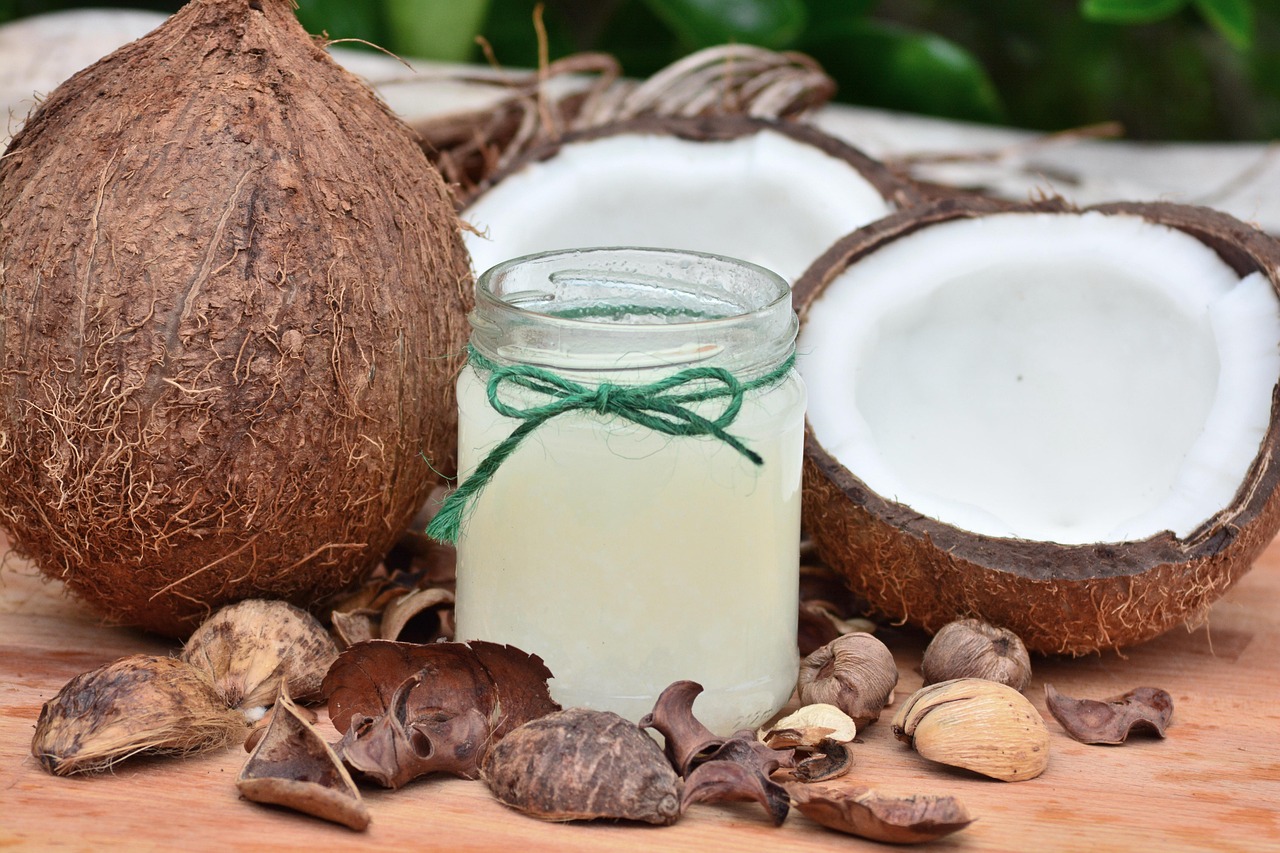
Coconut oil is one of the most popular natural remedies for heat rash among parents dealing with prickly heat in young children, and there is genuine science behind its reputation. It contains lauric acid, a medium-chain fatty acid that has demonstrated antimicrobial activity in research settings. This is relevant because blocked sweat ducts can sometimes become secondarily infected with bacteria, and keeping the skin environment healthy may reduce that risk.
Coconut oil also acts as an emollient, softening and hydrating the skin without clogging pores when used lightly. A 2019 study in the International Journal of Molecular Sciences confirmed the anti-inflammatory and skin barrier-supporting properties of coconut oil, strengthening its case as a topical aid for irritated skin.
Apply a thin layer of pure, cold-pressed virgin coconut oil to the affected area two or three times a day. Less is more here as applying too much may trap heat and moisture, potentially worsening the rash. If you are interested in a broader approach to protecting skin this season, our article on how to protect your skin from sun damage naturally covers some useful complementary strategies.
Coconut oil is generally well-tolerated but can cause contact dermatitis in rare cases. Do a patch test before applying it to a large area of skin. Those with tree nut allergies should check with a healthcare professional first, though coconut is technically a fruit.
6. Tea Tree Oil
Tea tree oil comes from the leaves of Melaleuca alternifolia, a tree native to Australia, and has been studied for its antimicrobial and anti-inflammatory effects. For heat rash, its value lies primarily in its ability to keep the skin clean and reduce the risk of secondary bacterial infection in blocked pores and sweat ducts. Some people also find its cooling sensation provides temporary itch relief.
A review in Clinical Microbiology Reviews confirmed tea tree oil’s broad-spectrum antimicrobial activity. While the direct evidence for heat rash is largely anecdotal, its mechanisms are sound, and it has been used widely as a natural skin care ingredient for decades.
Always dilute tea tree oil before applying it to skin. Mix two to three drops with a tablespoon of a carrier oil like coconut oil or jojoba oil, then apply gently to the affected area. Never use it undiluted, as this can cause skin irritation or chemical burns.
Tea tree oil is toxic if swallowed, so keep it away from children and pets. It should not be used around the eyes or on mucous membranes. Some people are sensitive to tea tree oil, so a patch test on a small area of skin is always worth doing before broader application.
7. Neem
Neem, derived from the Azadirachta indica tree, is another cornerstone of Ayurvedic medicine and has attracted significant scientific interest for its skin-healing properties. It contains nimbin and nimbidin, compounds that research suggests have anti-inflammatory, antimicrobial and antipruritic effects. Using neem on heat rash may help calm redness, reduce itching, and keep the affected area free from infection.
A 2021 paper in the Journal of Herbal Medicine reviewed neem’s dermatological applications and found promising evidence for its use in inflammatory skin conditions. The antibacterial properties are particularly relevant for heat rash that has become slightly infected or is occurring in skin folds where moisture builds up.
To use neem, grind fresh neem leaves into a