
Natural remedies for sunburn have been used for centuries, and today a growing body of research supports what many traditional healers already knew: nature offers some genuinely effective tools for calming inflamed, sun-damaged skin. Whether you caught too much sun at the beach or forgot to reapply sunscreen during a summer hike, these evidence-informed options can help soothe pain, reduce redness, and support your skin’s recovery.
Before diving in, it’s worth being clear: sunburn is actual skin damage, and severe burns with blistering, fever or widespread pain need medical attention. These remedies are best suited to mild to moderate sunburn and work best when applied promptly. Think of them as supportive care for your skin while it heals.
| Remedy | Main Benefit | Best Form to Use | Evidence Level |
|---|---|---|---|
| Aloe Vera | Cooling, anti-inflammatory | Fresh gel or pure topical gel | Strong |
| Cold Compress | Immediate pain relief | Cool damp cloth | Strong |
| Oat Bath | Itch and inflammation relief | Colloidal oatmeal soak | Moderate-Strong |
| Green Tea | Antioxidant, anti-inflammatory | Cooled tea compress | Moderate |
| Coconut Oil | Moisturising, barrier repair | Virgin coconut oil (after cooling) | Moderate |
| Honey | Antimicrobial, wound healing | Raw Manuka honey | Moderate |
| Cucumber | Cooling and hydrating | Sliced or pureed topically | Moderate |
| Apple Cider Vinegar | pH balancing | Diluted in cool water | Limited/Traditional |
| Witch Hazel | Astringent, anti-inflammatory | Alcohol-free distillate | Moderate |
1. Aloe Vera: The Gold Standard Natural Remedy for Sunburn

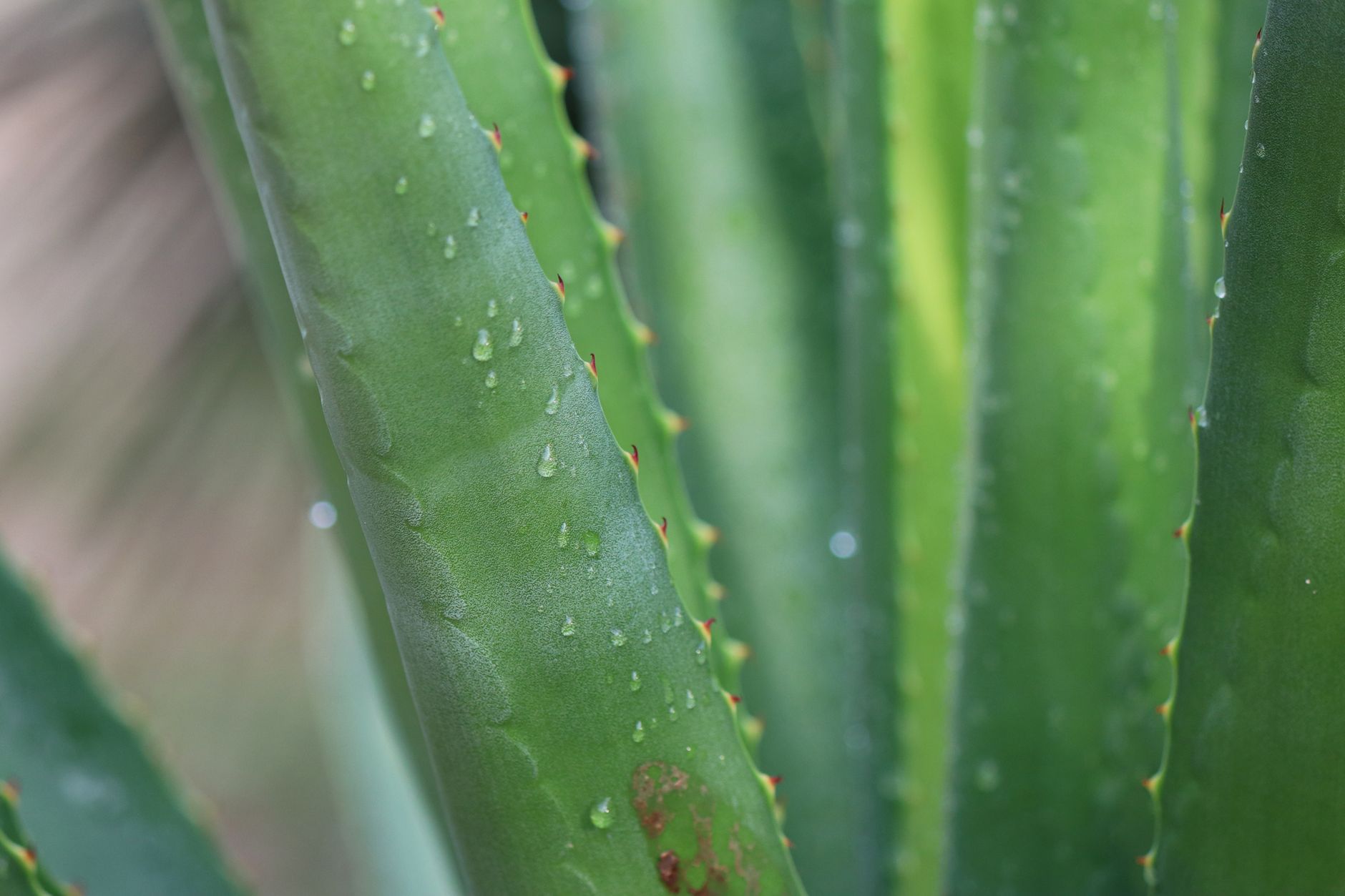
Aloe vera is arguably the most well-known of all natural remedies for sunburn, and the science genuinely supports its reputation. The gel from the aloe plant contains compounds called acemannan, anthraquinones and glycoproteins that work together to reduce inflammation, support skin repair and provide an immediate cooling effect.
A 2021 review published on PubMed confirmed that aloe vera gel shows meaningful anti-inflammatory and wound-healing properties when applied topically to minor burns and skin irritation. Studies suggest it may also help reduce healing time compared to leaving burned skin untreated.
To use it, slice open a fresh aloe leaf and apply the clear gel directly to the sunburned area. Alternatively, choose a store-bought gel with at least 99% pure aloe vera and no added alcohol or artificial fragrance. Apply liberally and repeat every few hours as needed.
A small number of people are sensitive to aloe vera, particularly those with allergies to plants in the Liliaceae family. Do a patch test on unaffected skin before applying widely. Avoid using aloe on open blisters or broken skin.
2. Cold Compress for Immediate Sunburn Relief
One of the simplest and most immediately effective natural remedies for sunburn is something you already have at home: cool water. Applying a cold compress to burned skin draws heat away from the surface, slows inflammation and numbs pain signals almost instantly.
Research consistently shows that cooling the skin promptly after a burn reduces tissue damage and discomfort. Cool water is preferred over ice, which can cause additional damage to already compromised skin. A 2023 first-aid guideline update from the British Red Cross recommends running cool (not cold) water over minor burns for at least 20 minutes.
Soak a clean cloth in cool water, wring it out gently, and lay it over the affected area for 15 to 20 minutes. Repeat as often as needed throughout the first day. You can also take a cool shower, though avoid scrubbing or using harsh soaps on burned skin.
Avoid using ice packs directly on the skin, and never apply butter or oils in the very early stage when the skin is still radiating heat, as this can trap the heat in and worsen damage.
3. Colloidal Oatmeal Bath for Sunburned Skin
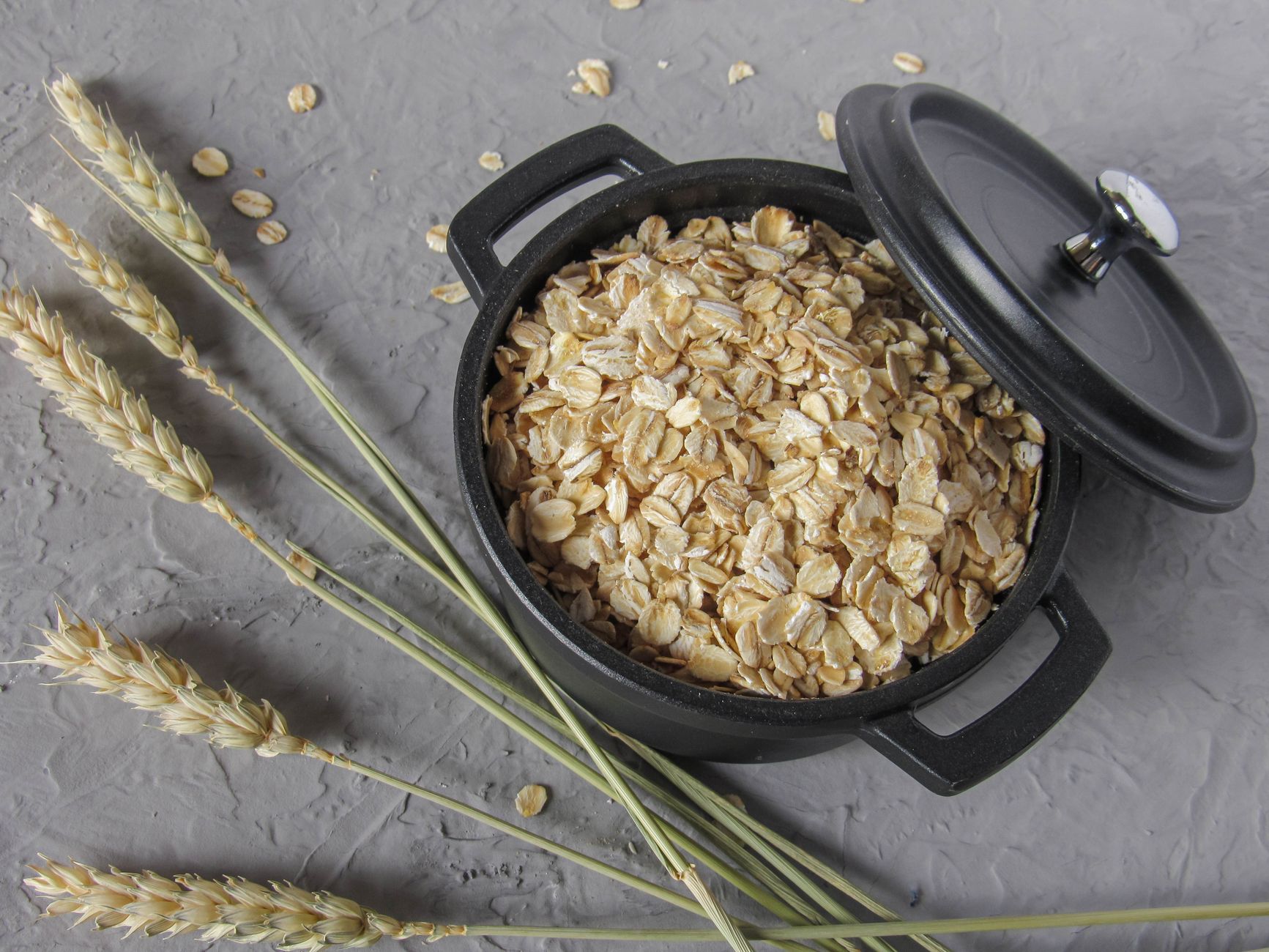
Colloidal oatmeal is finely ground oats that disperse in water and have been used medicinally for skin conditions for over a century. It contains avenanthramides, a group of polyphenols with documented anti-inflammatory and antipruritic (anti-itch) properties that make it one of the more science-backed natural remedies for sunburn.
The US FDA has recognised colloidal oatmeal as a safe and effective skin protectant, and several peer-reviewed studies support its ability to reduce skin irritation and itching. This makes it particularly helpful when sunburn moves into the itchy, peeling phase a day or two after initial exposure.
To prepare an oatmeal bath, blend plain oats into a fine powder and stir a cup into a bathtub filled with cool water. Soak for 15 to 20 minutes, then pat your skin dry gently with a soft towel. Alternatively, look for colloidal oatmeal bath products available in most pharmacies.
This remedy is safe for most people including children, though those with a true oat allergy should avoid it. People with coeliac disease should check packaging for any cross-contamination if contact sensitivity is a concern.
4. Green Tea Compress for Antioxidant Support

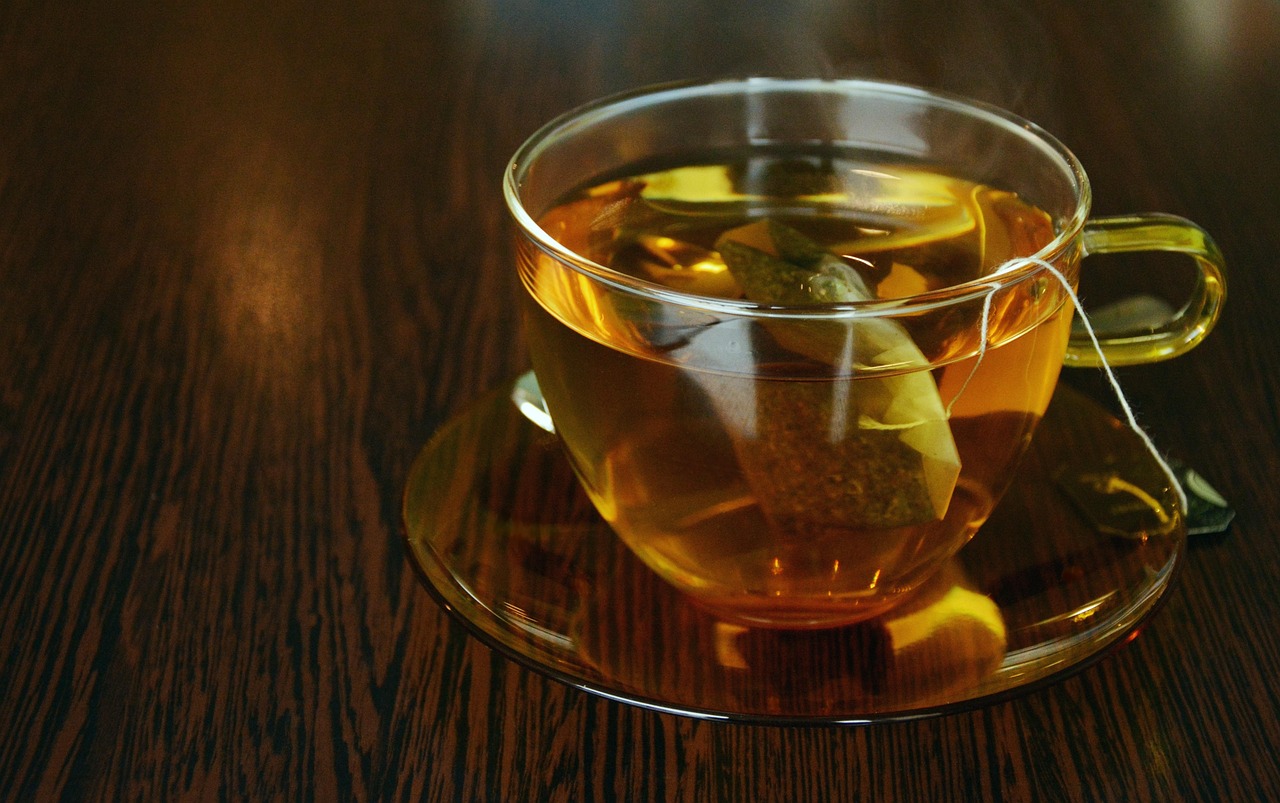
Green tea is rich in polyphenols, particularly epigallocatechin gallate (EGCG), which research suggests may help protect the skin from UV-induced oxidative stress. When applied topically as a cooled compress, green tea may help reduce inflammation and redness associated with mild sunburn.
A study published in the Journal of Investigative Dermatology found that topical application of green tea polyphenols could reduce UV-induced skin damage and inflammation in human skin cells. While most of this research is still preliminary, green tea makes a gentle, accessible and low-risk addition to your sunburn care routine.
Brew two to three green tea bags in boiled water, allow the tea to cool completely in the fridge, then soak a clean cloth in the liquid and apply it as a compress to burned areas. Leave it on for 15 minutes and repeat a few times throughout the day.
Green tea is safe for topical use for most people. However, some individuals may experience mild skin sensitivity, so again a patch test is sensible if you have reactive skin.
5. Coconut Oil for Post-Burn Moisturising

Virgin coconut oil contains lauric acid and a range of fatty acids that help restore the skin’s moisture barrier, which takes a significant hit after sun exposure. Research suggests it has mild anti-inflammatory properties and may help reduce transepidermal water loss, keeping the skin supple as it heals.
It’s important to note that coconut oil should not be applied during the initial heat phase of sunburn. Applying it too early can trap heat in the skin and slow recovery. Once the skin has cooled and the acute burning sensation has eased, usually 24 to 48 hours after exposure, coconut oil can be used as a soothing moisturiser.
Apply a thin layer of virgin or cold-pressed coconut oil to the affected area two to three times daily. Pair it with proper hydration by drinking plenty of water, as sunburn draws fluid away from the rest of the body. For more ideas on supporting your body through inflammation, check out these anti-inflammatory foods to add to your diet.
People with oily or acne-prone skin should be cautious as coconut oil is comedogenic and may clog pores. Those with nut sensitivities should also check with their doctor before use.
6. Raw Honey for Skin Healing
Raw honey, particularly Manuka honey, has well-documented antimicrobial and wound-healing properties that may support recovery from minor sunburn. Its high sugar concentration, low pH and natural hydrogen peroxide content create an environment that helps protect damaged skin from secondary infection while keeping the skin moist.
A 2018 review in the journal Wounds found that Manuka honey supported faster wound healing and reduced inflammation in minor skin injuries. While sunburn-specific trials are limited, the skin-healing mechanisms are relevant and the remedy is widely used in traditional and integrative medicine.
Apply a thin layer of raw or Manuka honey to the sunburned area and leave it on for 20 to 30 minutes before rinsing gently with cool water. Avoid applying honey near the eyes or on broken, blistered skin.
People with bee product allergies should avoid honey altogether. This remedy is also not appropriate for infants under 12 months when consumed, though topical use in older children is generally considered safe.
7. Cucumber Slices for Cooling and Hydration
Cucumber is composed of over 95% water and contains caffeic acid and vitamin C, both of which may help reduce skin inflammation and support tissue repair. Its naturally cool temperature and high water content make it one of the most refreshing natural remedies for sunburn, especially for the face and shoulders.
Some studies suggest that cucumber extracts have analgesic and anti-inflammatory effects when applied to irritated skin. While large-scale clinical trials are limited, cucumber has been used in traditional Ayurvedic skin care for generations and its safety profile is excellent.
Slice a chilled cucumber and lay the pieces directly over sunburned skin, or blend it into a paste and apply it as a gentle mask. Leave on for 15 to 20 minutes then rinse with cool water. Repeat two to three times daily during the early stages of recovery.
Cucumber is safe for virtually all skin types and ages. It is one of the gentler options on this list and works particularly well on sensitive facial skin where stronger remedies may cause irritation.
8. Apple Cider Vinegar for pH Balance
Apple cider vinegar (ACV) is traditionally used as a natural remedy for sunburn due to its acetic acid content, which may help restore the skin’s natural pH after sun damage. Sun exposure can disrupt the skin’s acid mantle, and proponents suggest that diluted ACV may help rebalance it and reduce stinging.
The evidence here is more limited than for some other remedies on this list. Most support is anecdotal or based on the general properties of acetic acid, rather than sunburn-specific studies. That said, it remains a popular and widely used home remedy with a reasonable theoretical basis.
Always dilute ACV before applying it to skin. Mix one part ACV with three parts cool water, soak a cloth in the solution and apply as a compress for 10 minutes. Never apply undiluted ACV to sunburned or sensitive skin as it can cause chemical irritation or even burns.
Those with