
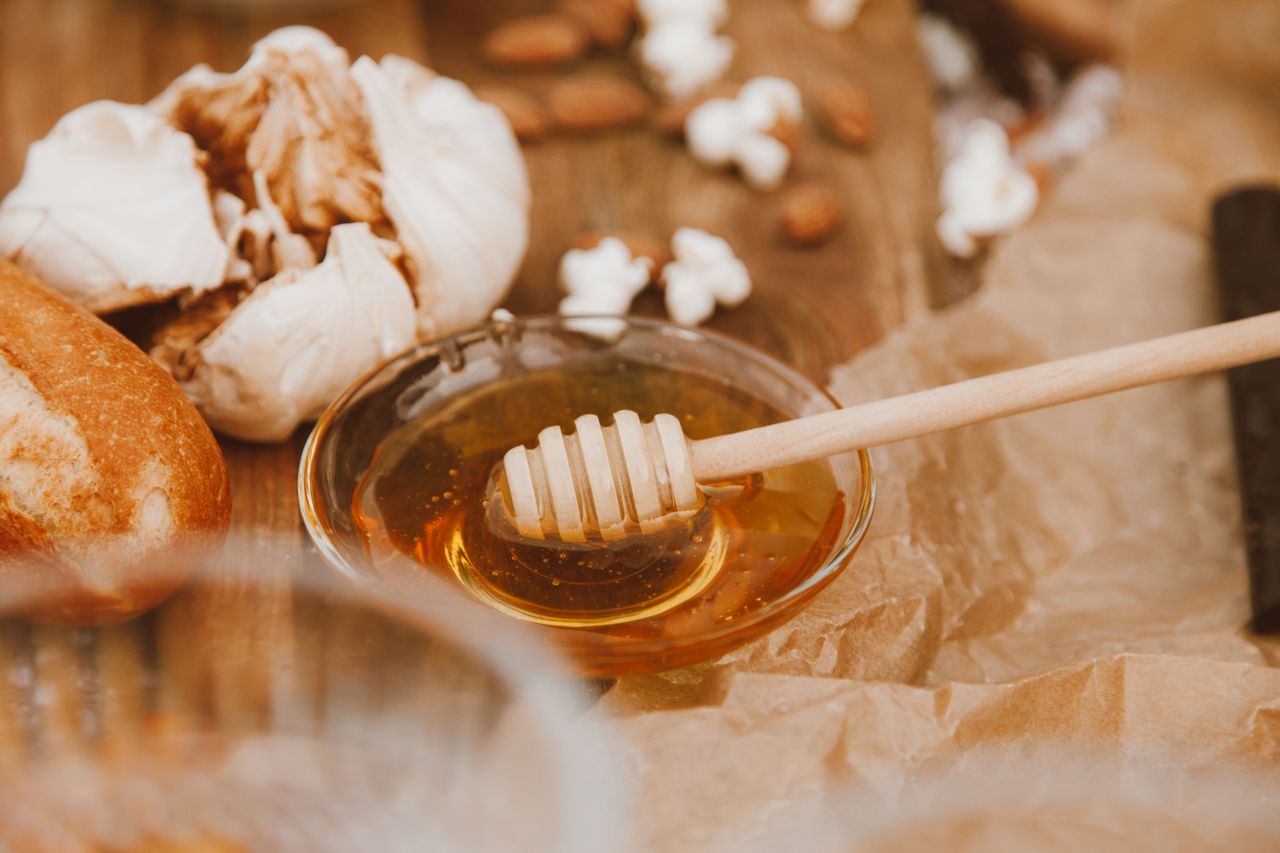
Fermented garlic honey is exactly what it sounds like: whole garlic cloves left to sit in raw honey until the honey thins, darkens and turns faintly fizzy, and the garlic mellows into something sweet, soft and only gently pungent. It takes two ingredients and five minutes to set up, and it has become the internet’s favourite winter remedy. This guide covers what the research actually says about garlic and honey, a step-by-step recipe, how to use it, and, because it matters, how to make it safely, including the botulism question that most recipes skip.
What is fermented garlic honey?
Pure honey is too dry for microbes to grow in, which is why a sealed jar keeps for years. Add peeled garlic cloves and the picture changes: the garlic slowly releases water into the honey, wild yeasts and lactic acid bacteria that live on the garlic (and in raw honey) wake up, and a slow, low-alcohol fermentation begins. Over three to four weeks the honey becomes runnier and darker, small bubbles rise when you tip the jar, and the garlic loses its raw bite. The result is a syrup you can take by the spoonful or cook with, and cloves you can eat whole.
It belongs to the same family of kitchen remedies as our honey and onion cough syrup, and it builds on the reputation garlic has earned over centuries, which we cover in The Healing Power of Garlic.
Fermented garlic honey benefits: what the evidence says
Be wary of anyone promising that garlic honey “cures” colds or “detoxes” anything. Here is the honest picture, ingredient by ingredient.
Garlic
Garlic’s active compound is allicin, formed when a clove is crushed or cut. A 2014 review in the Avicenna Journal of Phytomedicine summarises decades of laboratory work showing antibacterial, antiviral and antifungal activity, plus modest effects on blood pressure and cholesterol in human trials. For colds specifically, a Cochrane review found only one trial worth including: 146 people took a garlic supplement or placebo for 12 weeks over winter, and the garlic group reported fewer colds (24 versus 65). The reviewers rated the evidence low quality and called for more trials, so treat garlic as promising rather than proven.
Honey
Honey has the stronger evidence base of the two. A 2021 meta-analysis in BMJ Evidence-Based Medicine pooling 14 studies found honey outperformed usual care for the symptoms of upper respiratory infections, especially cough frequency and severity. Honey also coats an irritated throat and has its own mild antibacterial activity, which is part of why it does not spoil.
Fermentation
Fermenting does two useful things: it softens garlic so people who cannot stomach a raw clove can eat one, and it lowers the pH of the mixture, which is a safety feature (more on that below). Claims that it creates a probiotic powerhouse are overstated; the microbial load is small and nobody has measured its effect on gut health. Enjoy it as a food, not a supplement.
Ingredients and equipment
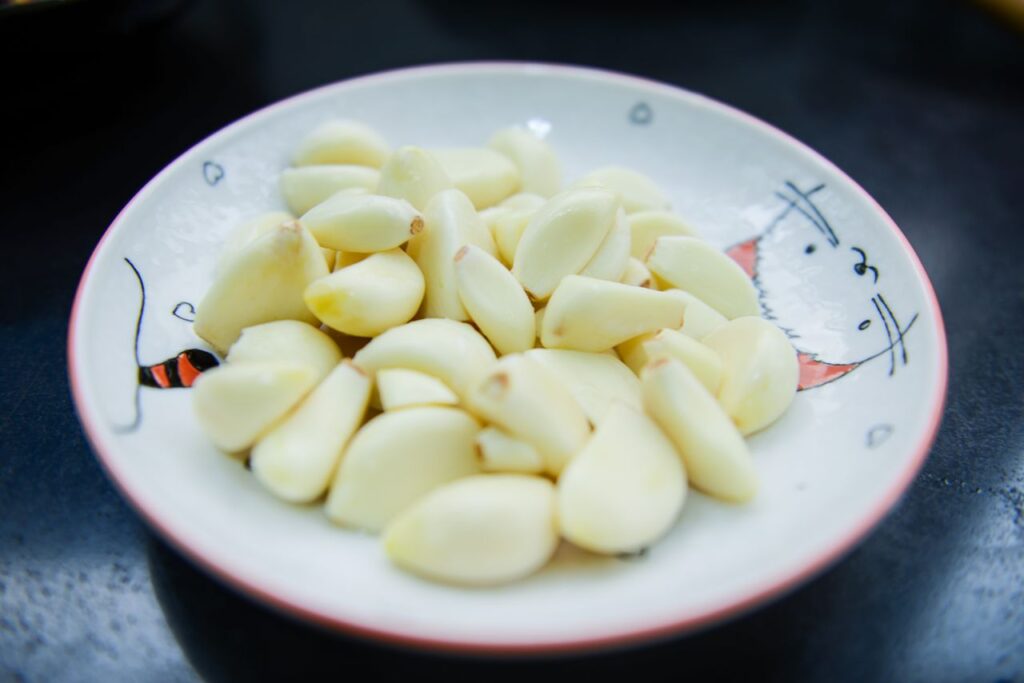
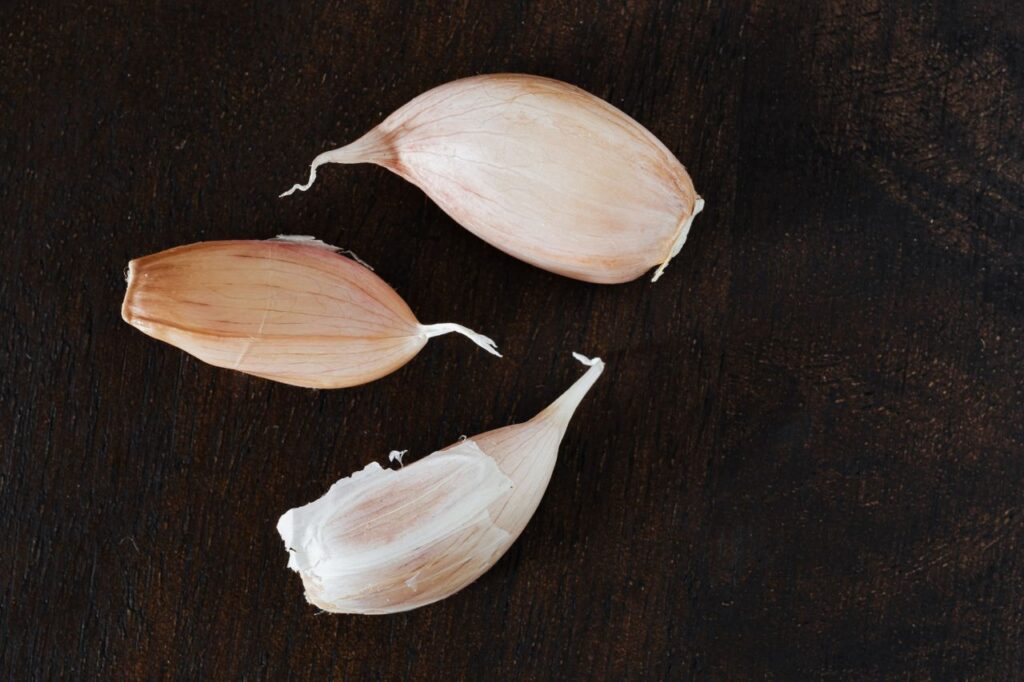
- Fresh garlic: 2–3 whole bulbs (about 25–30 cloves). Use firm, unblemished cloves. Do not use pre-peeled supermarket garlic, garlic in jars, or dried garlic.
- Raw honey: roughly 300 g (1 cup). It must be raw or unpasteurised: pasteurised honey has had its wild yeasts killed and may not ferment.
- A clean 500 ml glass jar with a lid.
- Optional but recommended: pH test strips (a few pounds online) so you can check the finished ferment.
How to make fermented garlic honey
- Peel the garlic. Separate the cloves and peel them, keeping them whole. Lightly crushing each clove with the flat of a knife speeds things up and releases more allicin, but it is not essential.
- Fill the jar half to two-thirds with cloves. Leave headroom: the mixture will bubble and expand.
- Cover completely with honey. Pour slowly and poke out air pockets with a chopstick. Every clove should be submerged.
- Close the lid loosely. Gas needs to escape. Screw the lid on, then back it off a quarter turn, or use a fermentation lid.
- Store in a cool, dark cupboard on a plate (it may weep). Room temperature, out of sunlight.
- Turn the jar daily for the first week. Tighten the lid, invert the jar to coat any cloves that have floated up, then loosen the lid again. Bubbles usually appear within 2–5 days.
- Wait 3–4 weeks. The honey will thin and darken and the garlic will sink and soften. It is edible at any point, but the flavour is best after a month.
- Check the pH (see safety below), then tighten the lid and store.
Is fermented garlic honey safe? The botulism question
Garlic is a root crop and can carry spores of Clostridium botulinum from the soil. In a low-oxygen, low-acid environment those spores can germinate and produce the toxin that causes botulism, a rare but serious illness (see the NHS and World Health Organization overviews). That is why garlic stored in oil at room temperature is a known hazard.
Honey is a different environment. Its pH is already acidic (usually 3.5–4.5) and it contains very little free water, and as the ferment proceeds the pH drops further. C. botulinum cannot grow or make toxin below pH 4.6. So a properly made garlic honey ferment is generally regarded as safe by home-preserving educators, but “generally” is not the same as “guaranteed”, so follow these rules:
- Test the pH. Dip a strip after 3–4 weeks. Anything under 4.6 is in the safe zone; most batches land around 3.5–4.0. If the reading is 4.6 or higher, add a tablespoon of raw apple cider vinegar, stir, and re-test in a few days, or discard the batch.
- Keep the garlic submerged. Exposed cloves can grow mould. Turn the jar daily early on.
- Use raw honey and fresh, dry garlic. Do not rinse the cloves; extra water dilutes the honey’s natural protection.
- Throw it out if you see fuzzy mould, it smells rotten rather than pleasantly sour and garlicky, or the lid is bulging on a tightly closed jar.
- Never give it to babies under 12 months. Honey of any kind can contain botulinum spores that an infant’s gut cannot handle; the NHS advises no honey before a baby’s first birthday.
Who else should be careful
- Anyone on blood thinners (warfarin, apixaban, clopidogrel, daily aspirin). Garlic in medicinal amounts can increase bleeding risk; a clove a day is fine for most people, but check with your pharmacist.
- Before surgery. Stop garlic supplements and large amounts of garlic 1–2 weeks before an operation for the same reason.
- People with diabetes. A tablespoon is about 15 g of sugar. It fits into a plan, but count it. Our guide to lowering blood sugar naturally has more.
- Reflux or a sensitive stomach. Raw-ish garlic on an empty stomach can trigger heartburn. Take it with food.
- Garlic or bee-product allergies. Rare, but a clear reason to skip it.

How to use fermented garlic honey
- At the first sign of a cold: eat one clove and a teaspoon of the honey, up to three times a day, with food. Combine it with the basics in our guide to natural immune boosters for winter colds and flu: sleep, fluids, vitamin D.
- For a sore throat: a teaspoon of the honey on its own, or stirred into warm (not boiling) water with lemon.
- In the kitchen: the honey makes an excellent glaze for roasted vegetables, chicken or salmon, and a base for salad dressing. The cloves are lovely mashed into butter or spread on toast.
- As a daily tonic: some people take a clove every morning through winter. There is no trial evidence for this beyond the small Cochrane study above, but at one clove a day it is a harmless habit for most healthy adults.
How long does it keep?
Once the active bubbling has settled (usually after 4–6 weeks), tighten the lid and store the jar in a cool, dark cupboard. Properly made, it keeps for a year or more; many people keep a jar going indefinitely, topping up with fresh garlic and honey. If you prefer to be cautious, or your kitchen runs warm, keep it in the fridge, where the honey will thicken but stay perfectly usable. The flavour keeps improving for months.
Frequently asked questions
My garlic turned blue or green. Is it safe?
Yes. Sulphur compounds in garlic can react with trace copper and enzymes, especially in an acidic environment, producing harmless blue-green pigments. It looks alarming but is purely cosmetic. Mould is the thing to watch for, not colour.
Why isn’t my honey bubbling?
Usually one of three things: the honey was pasteurised (no live yeasts), the kitchen is cold (fermentation slows below about 18 °C), or the garlic was very dry. Move the jar somewhere warmer, add a couple of fresh lightly crushed cloves, and give it another week. Very slow batches still work; they just take longer.
Can I use crushed or chopped garlic?
Lightly crushed whole cloves are ideal. Chopped or minced garlic releases far more water, ferments unevenly, and is harder to keep submerged. Pre-minced jarred garlic is packed in water or oil and should never be used.
Does it taste strongly of garlic?
Less than you would expect. The honey picks up a savoury, slightly tangy garlic note, and the cloves themselves become sweet and mild, closer to roasted garlic than raw.
Can I add other ingredients?
Popular additions are a few slices of fresh ginger, a sprig of thyme or rosemary, chilli flakes, or a strip of lemon peel. Add them at the start and keep everything submerged. Avoid adding anything watery (fresh lemon juice, fruit) that would dilute the honey.
The bottom line
Fermented garlic honey is cheap, delicious and easy, and the honey in it has real evidence for easing cough and sore-throat symptoms, while garlic’s cold-prevention evidence is promising but thin. Use raw honey and fresh garlic, keep the cloves submerged, check the pH, never give it to a baby, and talk to a pharmacist if you take blood thinners. Then keep a jar in the cupboard for winter, alongside the other remedies in our herbal remedies section.
This article is for general information and is not a substitute for medical advice. See our medical disclaimer.
Sources
- Lissiman E, Bhasale AL, Cohen M. Garlic for the common cold. Cochrane Database of Systematic Reviews, 2014.
- Bayan L, Koulivand PH, Gorji A. Garlic: a review of potential therapeutic effects. Avicenna Journal of Phytomedicine, 2014.
- Abuelgasim H, et al. Effectiveness of honey for symptomatic relief in upper respiratory tract infections: a systematic review and meta-analysis. BMJ Evidence-Based Medicine, 2021.
- NHS. Botulism; World Health Organization. Botulism fact sheet.
- NHS. Foods to avoid giving babies and young children.
Images by Roman Odintsov, Catscoming and Karola G via Pexels (free licence).