

A sore throat is usually the first sign that a cold is on its way, and most of the time it’s a virus that antibiotics won’t touch. What you can do is take the pain down, keep the throat moist, and give your body a few days to clear it. These home remedies for sore throat are ranked by how well the evidence supports them, from the two that have actually been tested in clinical trials to the traditional favourites that are worth a try because they’re cheap, safe and soothing.
Skip to the red-flag list if you have a high fever, white spots on your tonsils, or trouble swallowing or breathing: those need a doctor, not a mug of tea.
Quick Answer: The 5 Sore Throat Remedies That Work Best
| Remedy | How fast it helps | Evidence |
|---|---|---|
| Honey (straight or in warm tea) | Within minutes; reduces cough overnight | Strong (meta-analysis of 14 trials) |
| Warm salt-water gargle | Immediate, 20–30 minutes of relief | Moderate (trial data for prevention, strong tradition for relief) |
| Warm fluids: ginger, lemon or chamomile tea, broth | Immediate | Moderate (hot drinks shown to relieve sore throat, cough and chills) |
| Zinc lozenges (within 24 hours of symptoms) | Shortens the cold by about a third | Moderate (meta-analysis) |
| Rest, humidity and hydration | Over 24–48 hours | Basic physiology; underrated |
1. Honey: The Best-Proven Sore Throat Remedy
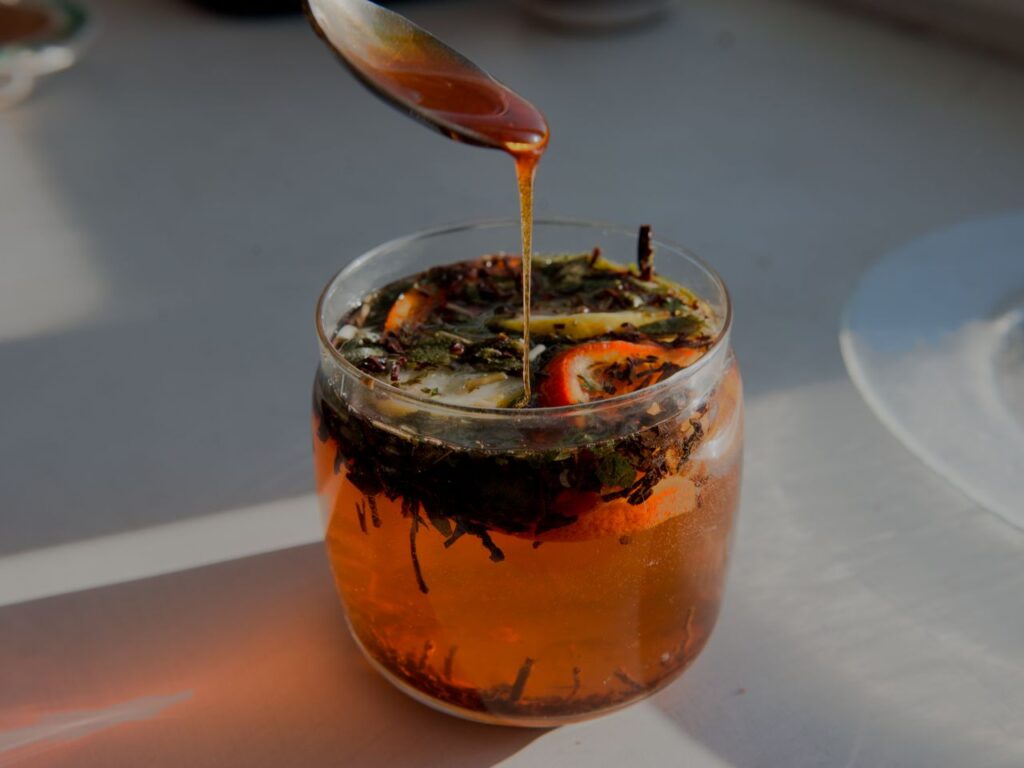
Honey coats the throat, is mildly antibacterial, and calms the cough reflex. It’s also the one remedy on this list that has been through a proper systematic review: a 2021 meta-analysis in BMJ Evidence-Based Medicine pooled 14 trials and found honey relieved upper respiratory symptoms, especially cough frequency and severity, better than usual care including over-the-counter remedies. A Cochrane review reached a similar conclusion for children’s night-time cough.
How to use it: take 1–2 teaspoons straight, up to four times a day, or stir it into warm (not boiling) water or tea with a squeeze of lemon. For a cough that keeps you up, take a spoonful just before bed. Darker honeys such as buckwheat or manuka have more antioxidants, but any real honey works. Never give honey to a baby under 12 months because of the risk of infant botulism.
Want to turn honey into something stronger? Our honey onion cough syrup takes ten minutes to set up and works overnight, and fermented garlic honey is the winter tonic readers make in September to have ready for cold season.
2. Salt-Water Gargle
The oldest remedy in the book, and still one of the best. Warm salt water draws fluid out of swollen throat tissue (that’s the osmotic effect), loosens mucus, and washes away irritants and some of the bacteria and viruses sitting on the throat surface. A randomised trial of nearly 400 people found that gargling with water three times a day cut the rate of upper respiratory infections by about a third over two months, which suggests it’s worth doing at the first tickle, not just once your throat hurts.
How to do it: dissolve ½ teaspoon of salt in 1 cup (240 ml) of warm water. Take a mouthful, tilt your head back, gargle for 15–30 seconds, spit, and repeat until the cup is empty. Do this every 2–3 hours while your throat is sore. Don’t swallow it, and use a bit less salt for children (½ teaspoon in 2 cups), who should be at least 6 and able to gargle without swallowing.
Upgrade: add ¼ teaspoon of baking soda to the salt water for extra soothing, or use strong, cooled sage or chamomile tea as the base.
3. Warm Drinks: Ginger, Lemon and Herbal Teas
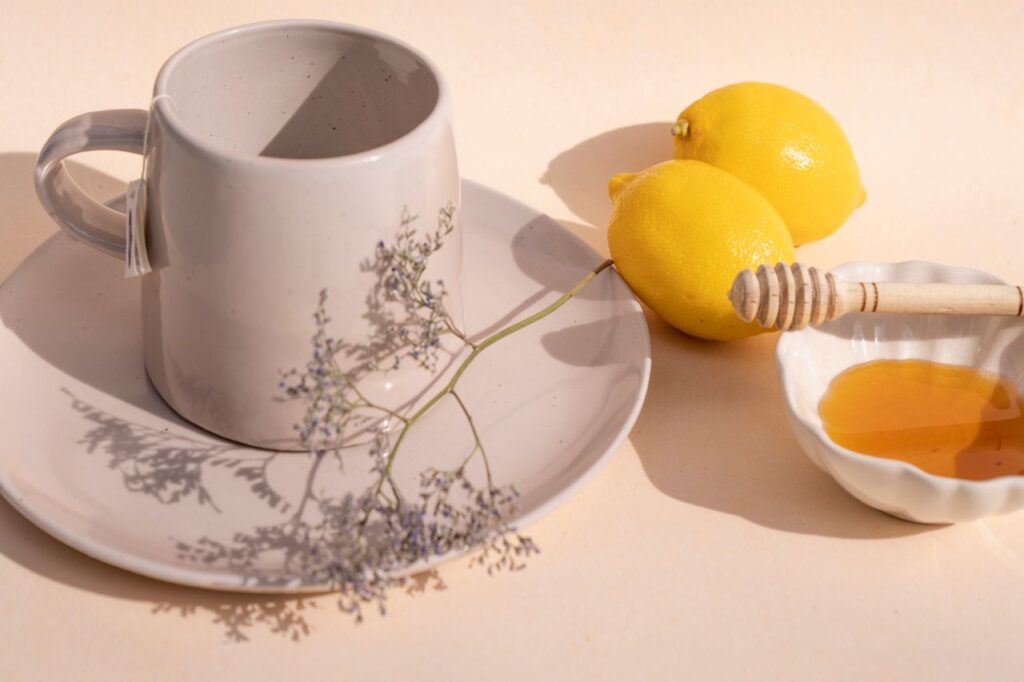
Warmth increases blood flow to the throat, relaxes the muscles, thins mucus and, according to a well-known study from Cardiff’s Common Cold Centre, a hot drink gives immediate and sustained relief from sore throat, runny nose, cough and chilliness compared with the same drink at room temperature. The steam helps too. Aim for something warm every hour or two while you’re awake.
- Honey lemon water: juice of ½ lemon and 1–2 teaspoons of honey in a mug of hot water. Vitamin C, a little acidity to cut mucus, and honey to coat.
- Fresh ginger tea: anti-inflammatory and warming. Our ginger tea guide explains why simmering the root beats steeping it.
- Chamomile tea: gently anti-inflammatory and relaxing, and good before bed when the throat feels worst. See our guide to chamomile tea benefits.
- Sage or thyme tea: both are traditional sore throat herbs with antimicrobial oils; sage tea is also excellent as a gargle.
- Marshmallow root or slippery elm tea: rich in mucilage, which forms a protective film over raw tissue. Steep 1 tablespoon of dried root in a cup of hot water for 10 minutes. See our glossary entry on marshmallow root.
- Golden milk: warm, creamy and anti-inflammatory; our golden milk recipe is the gentlest option when swallowing hurts.
- Broth or soup: chicken soup really does help. The warm, salty liquid soothes the throat, keeps you hydrated, and provides easy calories when you don’t feel like eating.
4. Zinc Lozenges (Start Early)
Zinc doesn’t soothe a sore throat directly, but it can shorten the cold behind it. A 2017 meta-analysis found that zinc acetate lozenges delivering 80–90 mg of elemental zinc a day cut the length of a cold by about a third, provided they were started within 24 hours of the first symptoms. Suck (don’t chew) a lozenge every 2–3 hours while awake for up to 5 days. Zinc can cause nausea and a metallic taste, shouldn’t be used for more than a week or two at that dose, and zinc nasal sprays should be avoided entirely (they’ve caused permanent loss of smell).
5. Rest, Humidity and Hydration

- Drink more than you think you need. A dry throat hurts more and heals more slowly. Water, diluted juice, herbal tea and broth all count; aim for pale-yellow urine.
- Humidify the air. Dry indoor heating is brutal on a sore throat, particularly overnight. Run a cool-mist humidifier in the bedroom, or breathe steam from a bowl of hot water with a towel over your head for 5–10 minutes (add a drop of eucalyptus if you like).
- Rest your voice. Whispering strains the vocal cords more than quiet speech, so speak softly and briefly, or not at all.
- Sleep. Immune function drops sharply with short sleep. Go to bed early for two or three nights and most viral sore throats resolve on their own.
- Avoid irritants. Smoke, very spicy food, alcohol and shouting all prolong a sore throat.
More Traditional Sore Throat Remedies Worth Trying
- Apple cider vinegar gargle: 1 tablespoon in a cup of warm water, gargled and spat. Acidic enough to discourage some bacteria; rinse your mouth with plain water afterwards to protect enamel. A spoonful of fire cider in warm water does the same job with extra ginger and garlic.
- Liquorice root tea: soothing and mildly anti-inflammatory; small trials found a liquorice gargle reduced post-surgery sore throat. Skip it if you have high blood pressure.
- Cold treats: ice pops, cold water and ice cream numb the throat and are often the only thing children will accept. Alternate warm and cold and see which your throat prefers.
- Peppermint tea or lozenges: menthol has a mild numbing, cooling effect and helps with congestion.
- Elderberry syrup: may shorten a cold; our homemade elderberry syrup also tastes good enough that kids ask for it.
- Garlic: allicin is antimicrobial, and one trial found daily garlic reduced the number of colds. Raw garlic is harsh on a sore throat, so use garlic honey or add it to soup.
What Doesn’t Help (or Makes It Worse)
- Antibiotics for a viral sore throat. They do nothing for viruses and contribute to resistance. Only strep and a few other bacterial infections need them, and those need a test first.
- Mega-dose vitamin C once you’re already sick. A Cochrane review of 29 trials found that starting vitamin C after symptoms begin doesn’t shorten a cold. Regular daily intake shortens colds slightly, so eat your citrus year-round rather than gulping tablets on day two.
- Very hot or very acidic drinks. Boiling-hot tea and undiluted lemon juice irritate raw tissue. Warm, not scalding, and dilute the lemon.
- Whispering (see above), smoking and alcohol, which dehydrate the throat.
- Swallowing salt water or vinegar gargles. Always spit.
Sore Throat Remedies for Kids
For children over one, honey is the best-proven option (½–1 teaspoon, straight or in warm water), and it beat cough medicine in a head-to-head trial for night-time cough. Cold treats, warm diluted juice, a humidifier at night and plenty of cuddles do most of the rest. Children over six can gargle salt water if they can reliably spit. Avoid honey under 12 months, zinc lozenges under 12 years, and any lozenge that could be a choking hazard in young children. Call the doctor for a fever over 102°F (39°C), drooling, difficulty breathing or swallowing, a rash, or a sore throat lasting more than a few days.
When to See a Doctor
Most sore throats are viral and clear within a week. See a doctor promptly if you have:
- A sore throat lasting more than 7 days, or getting worse after 3 days
- Fever above 101°F (38.3°C), especially without a cough (a classic strep pattern)
- White patches or pus on the tonsils, or swollen, tender neck glands
- Difficulty swallowing, breathing or opening your mouth, or drooling
- A rash, joint pain, or blood in your saliva or phlegm
- Sore throat on one side only with severe pain (possible abscess)
- Recurrent sore throats, or a weakened immune system
Strep throat is treated with antibiotics to prevent complications, and a rapid test takes five minutes, so it’s always worth checking if the pattern fits. The CDC’s sore throat page has a clear guide to the difference between viral and bacterial infections.
Frequently Asked Questions
What is the fastest way to get rid of a sore throat?
For immediate relief, gargle warm salt water, then sip warm honey-lemon water. Repeat both every couple of hours, rest, and keep the air humid. If a cold is behind it, starting zinc lozenges within the first 24 hours can shorten the whole illness.
How long does a sore throat last?
A viral sore throat usually peaks on day 2–3 and clears within 5–7 days. Strep throat improves within 24–48 hours of starting antibiotics. See a doctor if it lasts longer than a week or keeps getting worse.
Is it better to drink hot or cold drinks for a sore throat?
Both help, in different ways. Warm drinks increase blood flow, loosen mucus and relieve chills; cold drinks and ice pops numb pain. Many people alternate. Avoid anything scalding or very acidic.
Does salt water really help a sore throat?
Yes. It reduces swelling by drawing fluid out of inflamed tissue, loosens mucus and rinses irritants away. Use ½ teaspoon of salt per cup of warm water, gargle every 2–3 hours and spit it out.
Can I use honey if I have diabetes?
Small amounts (a teaspoon a few times a day) are usually fine but do count as sugar. Check with your doctor, and consider a salt-water gargle and sugar-free lozenges as your main tools instead.
How do I know if my sore throat is strep?
Strep typically comes on suddenly with fever, very painful swallowing, swollen tonsils with white patches, tender neck glands and no cough or runny nose. A cold-related sore throat usually comes with cough, congestion and sneezing. Only a rapid test or throat swab can confirm it.
Why is my sore throat worse in the morning?
Overnight you swallow less, breathe through your mouth more, and the air is often dry from heating. A humidifier, a glass of water by the bed and a spoonful of honey before sleep usually fix it.
Can I gargle with apple cider vinegar?
Yes, diluted (1 tablespoon per cup of warm water) and spat out, then rinse with plain water so the acid doesn’t sit on your teeth. It’s less proven than salt water but many people find it helps.
Make These Before You Need Them
- Honey Onion Cough Syrup — two ingredients, ready overnight
- How to Make Ginger Tea — the simmer-don’t-steep method
- Homemade Elderberry Syrup — sweet, kid-friendly immune support
- Fermented Garlic Honey — the month-long winter tonic
- Fire Cider Recipe — the spicy vinegar tonic for stuffy heads
- Golden Milk Recipe — the gentle turmeric bedtime drink
- 10 Natural Immune Boosters for Colds and Flu
This article is for educational purposes only and is not medical advice. Consult a qualified healthcare provider about persistent, severe or unusual symptoms, and before using any remedy if you are pregnant, breastfeeding, have a medical condition, or take medication. See our medical disclaimer.
Images by Iwan Wasyl, Varvara Galvas, Los Muertos Crew and cottonbro studio via Pexels (free licence).