
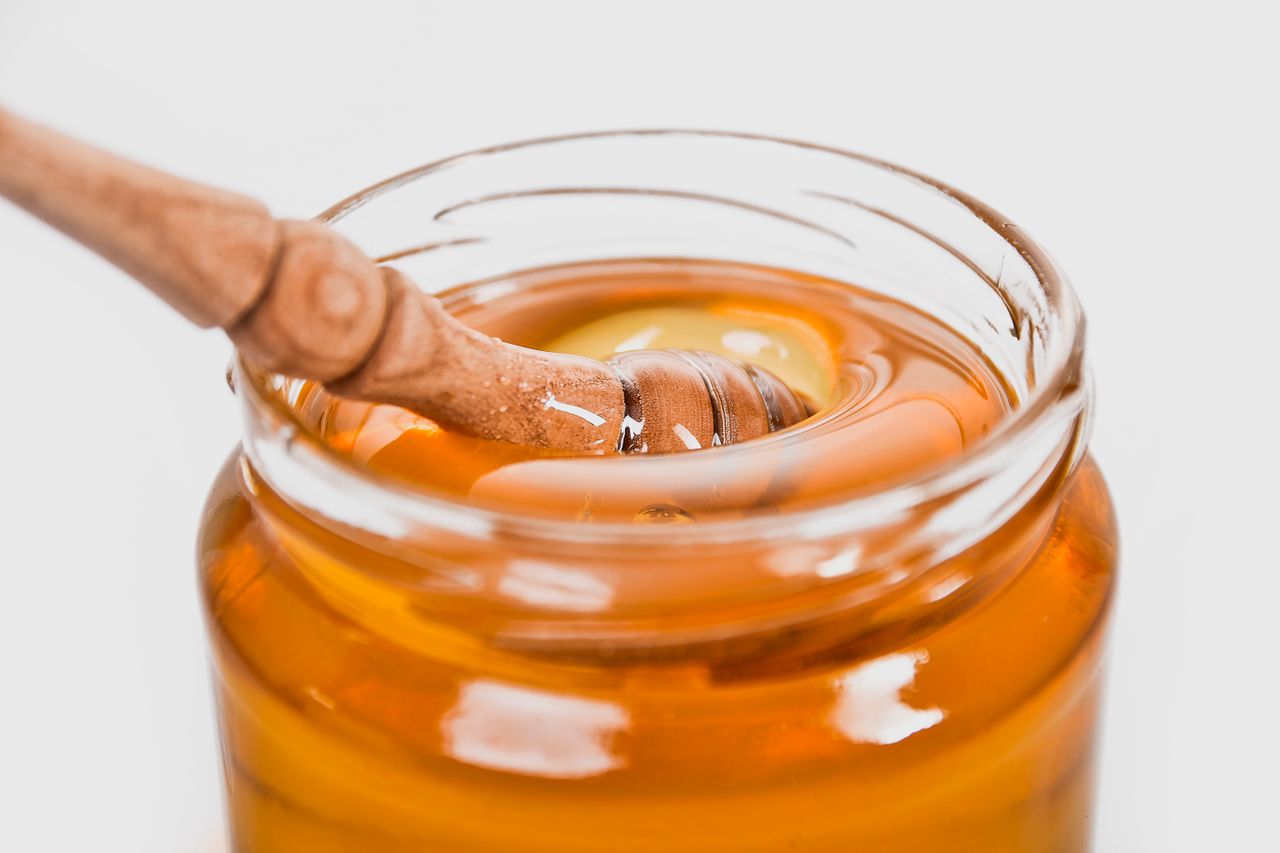
Honey and onion cough syrup is one of the oldest home remedies for a tickly, stubborn cough, and it is having a moment again for a good reason: it costs pennies, takes five minutes to prepare, and the honey half of the recipe is backed by real clinical evidence. This guide explains what onion cough syrup is, what the research actually says, how to make it two ways (overnight and quick stovetop), how much to take, and who should avoid it.
What is honey and onion cough syrup?
Onion cough syrup is simply sliced onion steeped in honey (or sugar) until the onion releases its juice. The result is a sweet, faintly savoury syrup that is taken by the teaspoon to calm a cough and soothe a raw throat. Versions of it appear in European, Middle Eastern and South Asian folk medicine, and grandmothers on every continent seem to have their own tweak: some add ginger, some add garlic or thyme, some use brown sugar instead of honey.
It sits alongside the other kitchen-cupboard remedies we cover in our home remedies section, and it pairs well with the habits in our guide to natural immune boosters for winter colds and flu.
Does onion cough syrup actually work?
Honest answer: the honey is doing most of the heavy lifting, and the onion is a plausible but unproven bonus.
The honey: good evidence
Honey is one of the few home remedies that has been put through proper trials. A Cochrane review of six trials in 899 children found that honey probably relieves cough symptoms more than no treatment or placebo, and works about as well as the cough medicine dextromethorphan. A 2021 meta-analysis in BMJ Evidence-Based Medicine pooled 14 studies and concluded that honey was better than usual care (including antihistamines and cough suppressants) for improving upper respiratory tract infection symptoms, particularly cough frequency and severity.
This is why the NHS lists honey and lemon in hot water as a first-line way to ease a cough at home. Honey coats the throat, which dampens the cough reflex, and its thick sugar content draws moisture into irritated tissue.
The onion: traditional use plus some lab science
There are no clinical trials of onion syrup on its own, so any claims that it “cures” a cough are overstated. What we do know is that onions are one of the richest food sources of quercetin, a flavonoid with anti-inflammatory and antioxidant activity in laboratory and animal studies, along with sulphur compounds that give onions their bite. Whether enough of these survive steeping and reach the airways is unknown. Think of the onion as adding flavour, a little extra liquid, and a long tradition of use, not as a proven medicine.
If you are interested in quercetin for seasonal symptoms, our article on natural remedies for hay fever covers it in more depth.
Ingredients
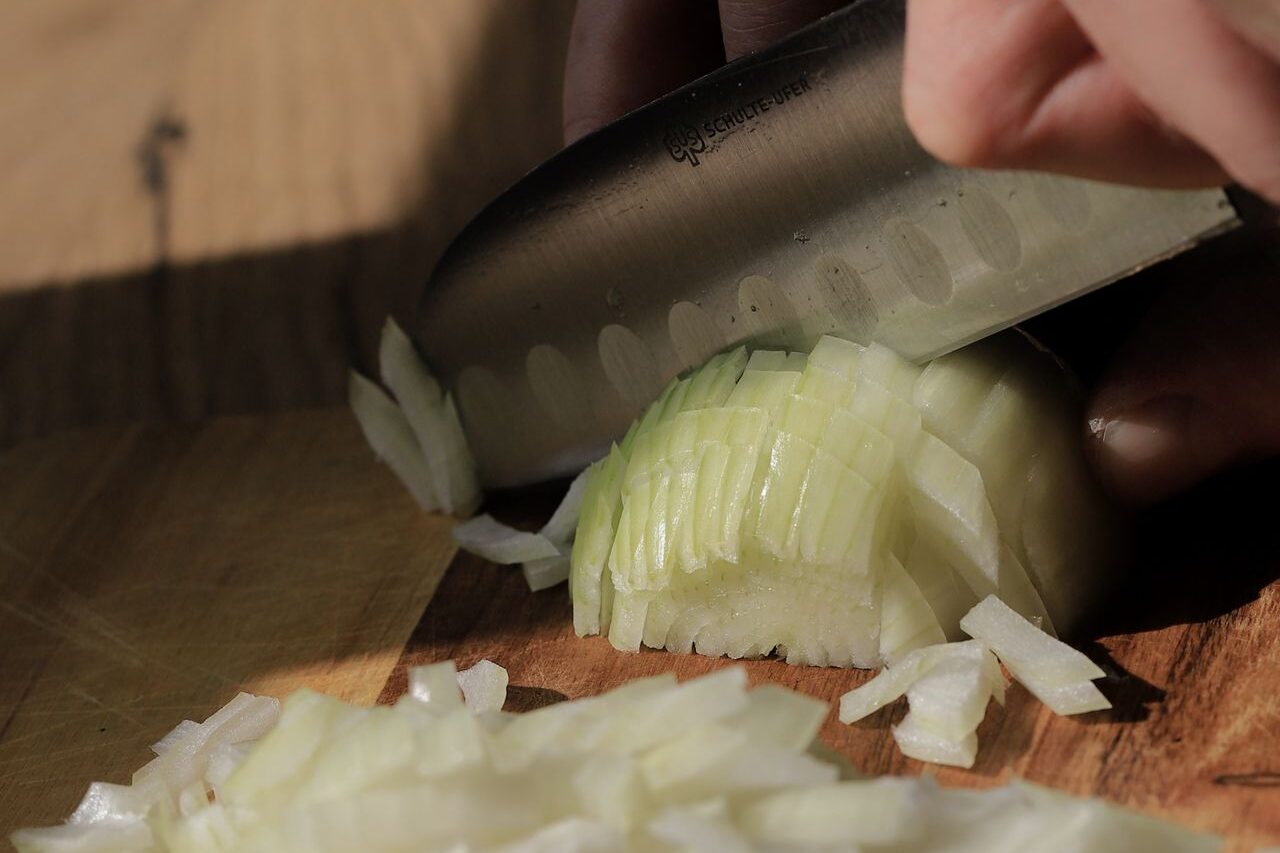
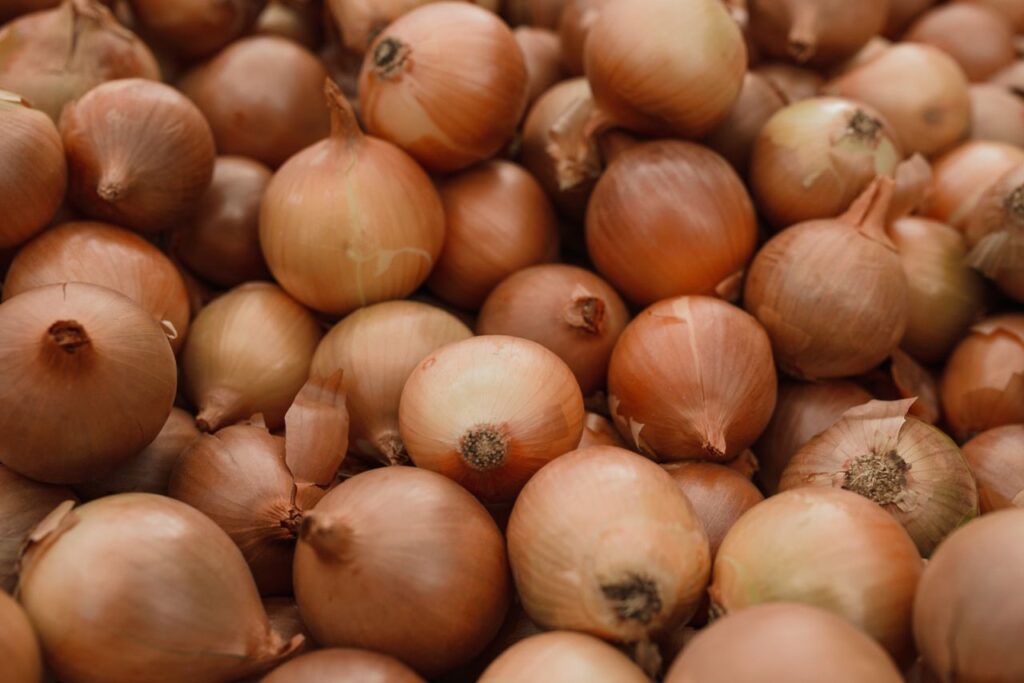
- 1 medium onion (white, yellow or red all work; red has the most quercetin)
- 150–200 g (about ½ cup) honey, ideally raw or at least unheated
- A clean glass jar with a lid
- Optional: 2 cm piece of fresh ginger, 1 garlic clove, a sprig of thyme, or the juice of half a lemon
Any honey works. Darker honeys (buckwheat, chestnut, manuka) have more antioxidants but the trials above used ordinary supermarket honey, so do not feel you need to spend a fortune.
How to make honey and onion cough syrup
Method 1: overnight (no cooking, keeps the raw honey intact)
- Peel the onion and slice it thinly, or dice it finely. More cut surface means more juice.
- Layer the onion in the jar and pour over enough honey to cover it completely. Add any optional extras now.
- Seal and leave at room temperature for 8–12 hours (overnight is perfect). The honey will turn thinner and more golden as it draws liquid out of the onion.
- Strain through a sieve into a clean jar, pressing the onion to release the last of the syrup. Discard the onion, or eat it: it is delicious on toast.
- Label the jar with the date and store it in the fridge.
Method 2: quick stovetop (ready in 20 minutes)
- Put the sliced onion and 120 ml (½ cup) of water in a small pan. Simmer gently, uncovered, for 10–15 minutes until the onion is soft and the water has reduced by half.
- Strain out the onion and let the liquid cool until it is warm rather than hot. Heating honey above about 40 °C destroys some of its enzymes, so do not boil it.
- Stir in the honey until dissolved, then pour into a jar and refrigerate.
The stovetop version is thinner and milder, which some children prefer. The overnight version is more concentrated and, because the honey is never heated, keeps its full antibacterial activity.
How much to take
- Adults and children over 12: 1–2 teaspoons (5–10 ml) up to four times a day, or whenever the cough flares up. A dose 30 minutes before bed is especially useful for a night-time cough.
- Children aged 1–12: ½–1 teaspoon up to four times a day. The Cochrane trials used roughly 2.5–10 ml of honey per dose depending on age.
- Babies under 12 months: do not give honey in any form (see the safety section below).
Let the syrup sit on the back of the tongue for a moment before swallowing so it coats the throat. Avoid drinking water straight afterwards.

Variations worth trying
- Ginger: add a few thin slices of fresh ginger to the jar. Ginger is warming and helps with the nausea that sometimes comes with a chesty cough. Prefer something ready-made? See our guide to ginger chews.
- Garlic: one crushed clove adds allicin, the compound behind garlic’s traditional reputation. Read more in The Healing Power of Garlic.
- Thyme: a sprig of fresh thyme gives the syrup a pleasant herbal note and thyme has a long history of use for coughs in European herbalism.
- Lemon: stir in the juice of half a lemon after straining for a sharper, more refreshing syrup that is closer to the NHS honey-and-lemon suggestion.
- Sugar instead of honey: if you are making it for a baby under one, or you have run out of honey, layer the onion with brown sugar instead. It will not have honey’s evidence base, but the sweet syrup still soothes.
How long does it keep?
Because the onion adds water to the honey, the syrup is no longer shelf-stable the way pure honey is. Keep it in the fridge and use it within 1–2 weeks. If it smells fermented, fizzes, or grows mould, throw it out. Making a small batch every few days is better than making a big jar you will not finish.
Safety: who should not take onion cough syrup
- Babies under 12 months. Honey can contain Clostridium botulinum spores that cause infant botulism, so the NHS advises no honey at all before a baby’s first birthday. This applies to homemade syrups too.
- People with diabetes. A teaspoon of the syrup is almost entirely sugar. Count it towards your carbohydrate intake and monitor your blood glucose. Our article on lowering blood sugar naturally has more on managing this.
- Onion or pollen allergies. Rare, but if onions give you a reaction, or you have a known allergy to bee products, skip this remedy.
- Acid reflux. Raw onion is a common reflux trigger. The cooked stovetop version is gentler.
- Dental health. Sugary syrups taken at night can feed cavities. Rinse the mouth with water a few minutes after the dose, and brush before bed as usual.
When to see a doctor instead
Home remedies are for the ordinary cough that comes with a cold and clears in a week or two. See a GP or pharmacist if a cough lasts more than three weeks, if you are coughing up blood or thick green or brown mucus, if you have chest pain, shortness of breath, a high fever, unexplained weight loss, or if the person coughing is very young, elderly, pregnant or has a long-term lung or heart condition. A cough that is worse at night in a child with a barking sound (croup) or whistling breathing needs medical attention the same day.
Frequently asked questions
Does the syrup taste of onion?
Faintly. The honey dominates, and most people describe it as sweet with a savoury, almost caramelised background. Adding lemon or ginger masks the onion almost completely, which helps with fussy children.
Can I use red onion?
Yes. Red onions have the highest quercetin content of the common varieties and give the syrup a pretty pink tint. White and yellow onions are milder.
Is it better than shop-bought cough syrup?
For an ordinary cold cough, the honey trials suggest honey performs at least as well as dextromethorphan and diphenhydramine, with fewer side effects and at a fraction of the price. Over-the-counter cough medicines are not recommended for children under six in the UK, whereas honey is fine from 12 months.
Can I put an onion in my sock or bedroom instead?
You will see this advice on social media. There is no evidence that a cut onion “absorbs” viruses or toxins from a room or through the skin, and onions do not release anything into the air that would help a cough. Eating or taking the syrup is the only route that makes sense.
How quickly does it work?
The soothing effect on the throat is immediate and lasts an hour or two per dose. In the honey trials, the biggest difference from placebo was seen in the first night’s cough frequency and sleep quality. It will not shorten the underlying cold, which usually runs its course in 7–10 days regardless of what you take.
The bottom line
Honey and onion cough syrup is cheap, safe for anyone over one year old, and the honey in it has better clinical evidence than most cough medicines on the pharmacy shelf. Make it the overnight way to keep the honey raw, keep the jar in the fridge, take a teaspoon before bed, and combine it with rest, fluids and the other sensible steps in our guide to natural remedies for boosting immunity. If the cough drags on past three weeks or comes with red-flag symptoms, put the jar down and see a doctor.
This article is for general information and is not a substitute for medical advice. See our medical disclaimer.
Sources
- Oduwole O, et al. Honey for acute cough in children. Cochrane Database of Systematic Reviews, 2018.
- Abuelgasim H, et al. Effectiveness of honey for symptomatic relief in upper respiratory tract infections: a systematic review and meta-analysis. BMJ Evidence-Based Medicine, 2021.
- Aghababaei F, Hadidi M. Quercetin as a therapeutic product: evaluation of its pharmacological action and clinical applications, a review. Pharmaceuticals, 2023.
- NHS. Cough and Foods to avoid giving babies and young children.
Images by Adonyi Foto, Christina99999, Karola G and Arina Krasnikova via Pexels (free licence).