

A neti pot looks like a tiny teapot and does one thing brilliantly: it rinses the inside of your nose with warm salt water, flushing out mucus, pollen, dust and the debris that keeps a stuffy head stuffy. It’s a 2,000-year-old yoga practice that’s now recommended by ENT doctors, and for chronic sinus trouble it has some of the best evidence of any home remedy. This guide explains how to use a neti pot step by step, the exact saline recipe, the one safety rule you must never break (the water), and what the research actually says.
Neti Pot at a Glance
| What it is | A small spouted pot used to pour saline through one nostril and out the other (nasal irrigation) |
| Best for | Chronic sinusitis, hay fever and allergies, colds, post-nasal drip, dry winter air |
| Time | 3–5 minutes, once or twice a day |
| Saline recipe | ¼ teaspoon non-iodised salt + pinch of baking soda in 1 cup (240 ml) safe water |
| Golden rule | Never use plain tap water: distilled, sterile, or boiled-and-cooled only |
| Cost | $10–15 for the pot; pennies per rinse |
What Is a Neti Pot and How Does It Work?

“Neti” is Sanskrit for nasal cleansing, one of the six purification practices of hatha yoga. The modern version is simple physics: you tilt your head, pour warm saline into the upper nostril, and gravity carries it through the nasal cavity and out the lower nostril. Along the way it thins and washes out thick mucus, rinses away allergens and irritants, moisturises the nasal lining, and helps the tiny hairs (cilia) that normally sweep mucus towards your throat work properly again. Squeeze bottles and bulb syringes do the same job with a little more pressure; the pot is the gentlest option.
Does It Work? What the Research Says
- Chronic sinusitis (good evidence): a 2016 Cochrane review found that daily large-volume saline irrigation improved symptoms and quality of life in people with chronic rhinosinusitis, with few side effects. In an earlier randomised trial in Journal of Family Practice, patients who rinsed daily for six months had better sinus symptom scores and used fewer antibiotics and nasal sprays than those who didn’t.
- Colds and acute infections (modest evidence): a 2015 Cochrane review concluded saline irrigation may reduce symptoms and the need for decongestants during acute upper respiratory infections, though the trials were small. In practice most people feel clearer within minutes of a rinse.
- Hay fever and allergies (good evidence): rinsing physically removes pollen and dust from the nasal lining, and several trials show it reduces sneezing and congestion and lets people cut back on antihistamines. Rinse after coming indoors on high-pollen days.
- Post-nasal drip, dry air and snoring: traditional uses with plenty of clinical experience behind them; a morning rinse is the most common recommendation ENT specialists give for all three.
The Water Rule: Read This Before Anything Else
Tap water is safe to drink because your stomach acid kills the organisms in it. Your nasal passages have no such defence. In 2011, two people in Louisiana died of a brain infection caused by Naegleria fowleri, an amoeba found in warm tap water, after using neti pots filled straight from the tap, a case documented in Clinical Infectious Diseases. The infection is extremely rare but almost always fatal, which is why the FDA is emphatic about the water you use. Only use:
- Distilled or sterile water (the label will say so), or
- Tap water boiled for 1 full minute (3 minutes above 6,500 ft / 2,000 m) and cooled to lukewarm. Boiled water can be stored in a clean, covered container for up to 24 hours, or
- Water passed through a filter with an absolute pore size of 1 micron or smaller (labelled NSF 53 or 58). Ordinary jug filters don’t qualify.
Never use water straight from the tap, a well, a shower, or a bottle of “spring” water, and always wash and air-dry the pot between uses.
Neti Pot Saline Solution Recipe
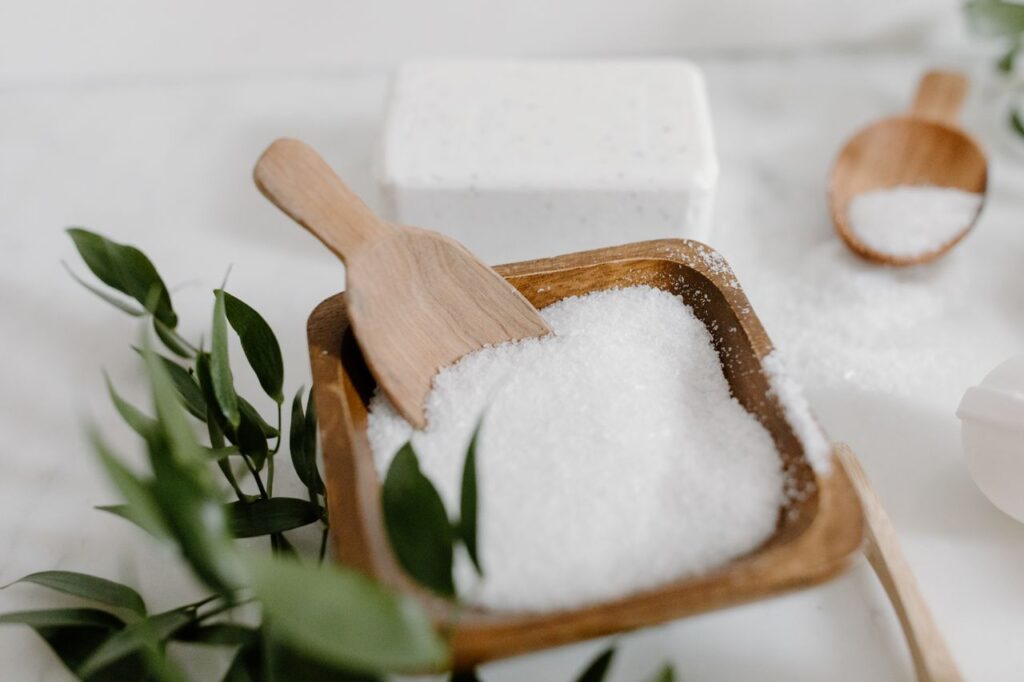
The goal is an isotonic solution, the same saltiness as your body fluids, so it doesn’t sting. For 1 cup (240 ml) of safe, lukewarm water:
- ¼ teaspoon fine non-iodised salt (pickling/canning salt, kosher salt, or pure sea salt with no additives). Iodine and anti-caking agents irritate the nasal lining.
- A pinch (about ⅛ teaspoon) of baking soda, which buffers the solution to your body’s pH and makes it noticeably more comfortable.
Stir until fully dissolved, and check the temperature on your wrist: it should feel neither warm nor cool, like body temperature. Too hot burns; too cold aches. Pre-measured saline packets are convenient and correctly balanced if you’d rather not measure. For a stronger, mucus-clearing rinse during a heavy cold, you can make a mildly hypertonic solution with ½ teaspoon of salt per cup, which draws fluid out of swollen tissue; it stings slightly more, so don’t use it every day.
How to Use a Neti Pot: Step by Step
- Prepare the saline in a clean pot as above and make sure it’s lukewarm.
- Stand over a sink and lean forward so your face is roughly horizontal. Tilt your head to the left about 45 degrees, so your right nostril is directly above your left.
- Breathe through your open mouth. This is the key to not swallowing or choking: keep your mouth open and breathe steadily through it the whole time.
- Insert the spout gently into the upper (right) nostril to form a seal, and slowly raise the pot. The saline will flow in, around the back of the nasal cavity, and out of the lower nostril into the sink. Pour about half the pot.
- If it runs into your throat, you’re tilting your head back rather than sideways. Lower your forehead a little and keep breathing through your mouth. If it doesn’t flow at all, your nose may be too blocked; try a steamy shower first, or use a squeeze bottle for a little more pressure.
- Blow gently. Remove the spout, keep your head over the sink, and exhale through both nostrils to clear the remaining water. Don’t pinch one nostril shut and blow hard; that can force water into your ears.
- Switch sides and repeat with the left nostril on top, using the rest of the pot.
- Drain. Bend forward, tilt your head side to side and blow gently to empty any water pooled in the sinuses. A little may trickle out later when you bend over; that’s normal.
- Clean the pot. Wash with hot soapy water, rinse with distilled or boiled water, and let it air-dry completely. Replace plastic pots every few months.
The first two or three times feel strange, a bit like getting water up your nose in the pool. By the third day most people find it oddly satisfying, and the relief from a blocked head is immediate.
How Often Should You Use a Neti Pot?

- Colds, sinus infections and allergy flares: once or twice a day, morning and evening, while symptoms last. Rinse before using a medicated nasal spray so the spray reaches clean tissue.
- Chronic sinusitis: daily, as in the clinical trials, for as long as it helps. Many people continue for years.
- Prevention and dry winter air: 2–3 times a week is enough. Some ENT specialists suggest not rinsing every day indefinitely when you’re well, because constant washing may remove some of the protective mucus layer; a few times a week keeps the benefits without that concern.
- Timing: avoid rinsing within an hour of lying down, or you’ll get a surprise trickle on the pillow. Morning and early evening work best.
Neti Pot vs. Squeeze Bottle vs. Saline Spray
| Method | Volume and pressure | Best for |
|---|---|---|
| Neti pot | High volume, gravity only (gentlest) | Daily maintenance, allergies, sensitive noses, beginners who dislike pressure |
| Squeeze bottle (e.g. NeilMed) | High volume, mild positive pressure | Thick mucus, heavy congestion, reaching the upper sinuses; easier for children |
| Saline spray/mist | Low volume, no rinse | Quick moisturising on the go; doesn’t clear mucus the way a rinse does |
Common Problems and Fixes
- It stings or burns: too much or too little salt, iodised salt, or water that’s too hot or cold. Measure accurately, add the baking soda, and check the temperature.
- Water goes down my throat: your head is tilted back. Lean further forward over the sink and keep your mouth open.
- Nothing comes out the other side: the nose is too swollen. Take a hot shower first, or use a squeeze bottle. Never force it.
- Ear pressure or a popping feeling: you blew too hard afterwards, or your head was tilted wrong. Blow gently with both nostrils open. Stop rinsing if you have ear pain.
- Water drips out hours later: it pooled in a sinus. After rinsing, bend forward and turn your head side to side to drain it.
- Nosebleed: stop for a few days. Usually caused by dry, irritated tissue or too-frequent rinsing; when you restart, use isotonic solution and rinse less often.
Who Should Not Use a Neti Pot
- Anyone with an ear infection or a completely blocked nose (wait until it opens a little).
- People with a perforated eardrum or recent ear surgery.
- Anyone who has had recent nasal or sinus surgery, unless their surgeon has recommended rinsing (they often do, with specific instructions).
- Children under about 4; older children can use a squeeze bottle or gentle saline spray with supervision. Ask your paediatrician.
- People with a weakened immune system should be especially strict about sterile water and pot hygiene.
See a doctor if sinus symptoms last more than 10 days, come with a high fever, severe facial pain or swelling, or keep coming back; rinsing helps symptoms but won’t treat a bacterial infection or a structural problem like polyps or a deviated septum.
Frequently Asked Questions
Can I use tap water in a neti pot?
No. Use distilled or sterile water, or tap water boiled for at least one minute and cooled. Untreated tap water has caused rare but fatal amoeba infections when used for nasal rinsing.
How much salt do I put in a neti pot?
¼ teaspoon of fine non-iodised salt per cup (240 ml) of water, plus a pinch of baking soda. That gives an isotonic solution that won’t sting.
Can I use a neti pot every day?
Yes while you have symptoms or chronic sinusitis; the trials used daily rinsing for months. When you’re well, 2–3 times a week is enough for maintenance.
Does a neti pot help with a cold?
It relieves congestion and post-nasal drip quickly and may reduce your need for decongestants, according to a Cochrane review. It won’t shorten the cold itself, but it makes it far more comfortable.
Why does my neti pot burn?
Usually the wrong salt (iodised or with additives), the wrong amount, no baking soda, or water that isn’t lukewarm. Fix those and it should feel neutral.
Can kids use a neti pot?
Most children can manage nasal rinsing from about age 4–6 with supervision, usually with a child-size squeeze bottle rather than a pot. For younger children use saline drops or spray and a bulb syringe, and ask your paediatrician.
Is a neti pot better than a nasal spray?
For clearing mucus and allergens, yes: a large-volume rinse washes the whole nasal cavity, while a spray only moistens the front. For quick relief on the go, a spray is more convenient. Many people use both.
Can I add essential oils or anything else?
Don’t. Essential oils, honey, vinegar and herbs irritate the nasal lining and can cause real harm. Stick to salt, baking soda and safe water; if you want extra decongestant help, sip a mug of peppermint tea or breathe steam before you rinse.
More Cold and Sinus Remedies
- Home Remedies for Sore Throat — what actually works, ranked by evidence
- Peppermint Tea Benefits — menthol for a blocked nose
- How to Make Ginger Tea — the warming cold-season cup
- Fire Cider Recipe — the spicy tonic that clears sinuses on contact
- Homemade Elderberry Syrup — for the cold behind the congestion
- Browse all home remedies
This article is for educational purposes only and is not medical advice. Consult a qualified healthcare provider before starting nasal irrigation if you have ear problems, have had nasal surgery, have a weakened immune system, or have persistent sinus symptoms. See our medical disclaimer.
Images by Kaboompics, Yan Krukau, Tara Winstead and Kaboompics via Pexels (free licence).